The safari is not only grassland anymore. The big money has moved uphill and out into the empty. Sky lodges hanging off cliffs or perched above tree lines. Desert camps are pitched on hardpan where the horizon never blinks.
It is not about a mere vibe shift for Instagram. Rather, it is a privacy play, a logistics puzzle, and a prestige signal. It is about having fewer neighbors, drones, and phones in your shot. Primarily, people who can buy time want air, silence, and story.
Now, altitude and aridity have become the new status markers, and the itinerary reads like a flight plan rather than a brochure.
Why Altitude and Aridity Became Status Markers?
Push factors include crowding around sightings, predictable circuits, and polished staff choreography. Meanwhile, pull factors are stronger, as high-elevation pods offer rare atmospheres, big-sky astronomy, and serious isolation. Moreover, deserts offer thermal drama and shapes that look hand-drawn by the wind.
For the ultra-wealthy, there is a second layer. It is about control over access and narrative. A retreat that looks unrepeatable because it is stitched with permits, pilots, and very specific weather windows.
The luxury is less about marble and more about probability. It is the chance that nobody else shows up. Also, the focus is on keeping your footprint (literal and figurative) quiet.
Money Flows Up the Mountain
Sky lodges are deliberately placed in awkward places, like cliffside glass capsules. Also, ridge-top micro-lodges with reinforced platforms and oxygen support in case someone pushes too hard on day one.
The value is not about infinity pools. It is more of a tactic now. For instance, helicopters stage on safer pads, and supplies arrive in tightly bundled loads.
It is also about having two guides for one guest group. Also, it is about a spare generator that never needs to be used. The appeal is the mix of fragility and competence.
Desert Logic for Those Who Prefer Silence
Nowadays, desert camps are less about height and more about heat management and distance. The following are some characteristics:
First, shade architecture includes evaporative cooling, clever airflow, and short hops to salt pans at first light. Moreover, daytime becomes a choreography of slowness, and night flips the switch. Some examples are stargazing, acoustic stillness, and rare wildlife when temperatures permit.
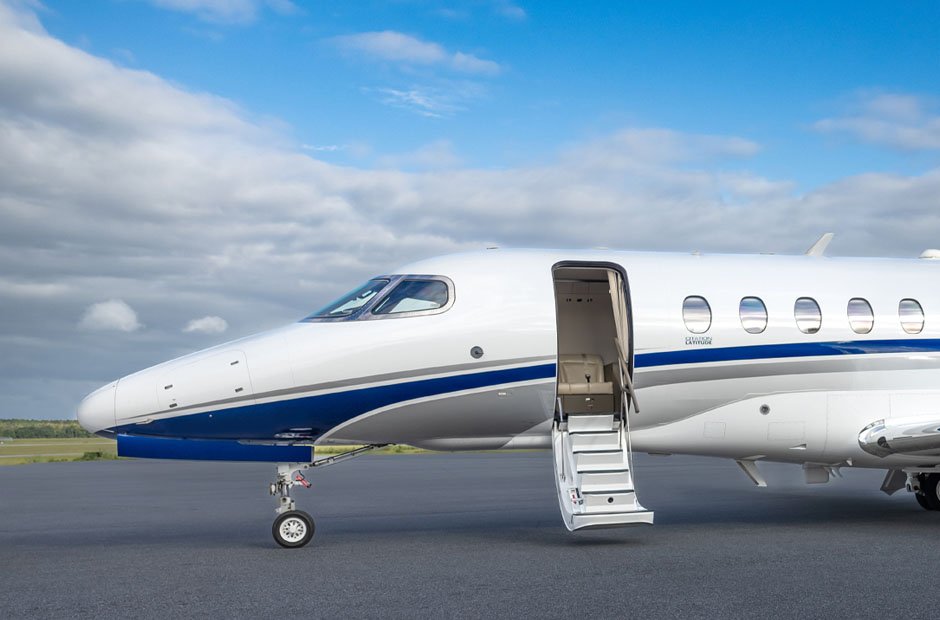
Moreover, security is invisible as convoys are planned at odd hours. Also, lines to the outside are thin. Most itineraries hinge on private aviation, with air charter services stitching together remote strips, temporary pads, and short transfers that dodge road delays.
Basically, guests don’t want drama. Rather, they want a feeling that they slipped off the map, then came back clean.
Sky Lodges vs. Desert Camps
The following are the major differences between sky lodges and desert camps when it comes to safari:
| Dimension | Sky Lodges | Desert Camps |
| Setting | High elevation, cliffside, or ridgeline positions | Low elevation, dunes, salt pans, rocky flats |
| Access | Helicopter pads, short STOL runway links | Remote airstrips, convoy-capable tracks |
| Climate Risk | Altitude sickness, sudden storms, cold snaps | Heat stress, sandstorms, thermal variability |
| Privacy Profile | Extreme isolation, minimal sightlines | Wide-open horizons, sparse traffic |
| Night Experience | Precision astronomy, cold-air clarity | Warm-night sky, planetary glow, deep quiet |
| Operational Focus | Redundancy, oxygen plans, weather agility | Thermal management, shade, nocturnal routing |
| Sustainability Levers | Small footprints, low guest volume | Low infrastructure, temporary camp logic |
| Story Value | Edge-of-world, engineered solitude | Off-map, elemental minimalism |
What the Ultra-Wealthy Actually Seek?
The ultra-wealthy don’t brag as much anymore. To them, the currency is intimacy and control. They want the following:
- Meals under an impossible sky with no one watching.
- An unscripted walk was actually mapped to avoid risk.
- A story your friends can’t buy next week without trying very hard.
- The gear is simple and high-grade, and the hospitality is warm but unhurried.
- If you want a shorthand, think selective friction.
- One guide more than usual, which means one problem fewer when the weather tilts.
- A night longer than planned, which means one memory deeper under the stars.
Booking Playbook Without the Noise
If you are mapping this for a principal or a discreet group, start with seasons. In general, mountains and deserts are not friendly to the stubborn. So, pick windows and not dates. Also, plan access options in layers. Keep the helicopter ready, runway alternative, and a ground convoy if the sky shuts.
Also, make stewardship visible without sermons. Meet local partners and understand land rules. Moreover, keep prices opaque in public and specific in contracts. In addition, let day two be lighter than day one and let the final night feel unforced.
Basically, the billionaire safari is not about more. Rather, it is about less, done right.