Substance dependence continues to affect millions of individuals and families worldwide. Yet, as we move into 2026, a new wave of strategies is revolutionizing how recovery is approached and achieved. These innovative methods focus on the unique needs of each individual, drawing on the latest advancements in medical science, technology, and holistic care. For anyone looking to begin or support a recovery journey, learning about cutting-edge treatment options is essential. If you’re seeking comprehensive, supportive care, rehab in Georgia remains a vital resource for personalized addiction treatment solutions.
Groundbreaking developments in addiction science now combine genetic insights, artificial intelligence (AI), mindfulness practices, and tech-enabled relapse prevention tools to change the trajectory of recovery. As treatment evolves, people facing substance use disorders have more paths—and more support—than ever before. Informed public policy and expanded accessibility ensure that these innovations can benefit everyone, regardless of their background or financial situation.
With increased investment in research and a stronger focus on community and family engagement, the landscape of addiction recovery is shifting toward a more supportive and empowering environment. By embracing these changes, individuals and families can work toward lasting recovery, improved mental health, and stronger social connections.
This article takes a closer look at the top innovative strategies transforming substance dependence treatment in 2026.
Personalized Medicine and Genetic Testing
The use of genetic testing in customized medicine is one of the most exciting developments. Everybody’s experience with addiction and recovery is unique. Physicians can design customized therapy regimens by examining genetic markers, which raises the possibility of successful results. Certain genes can influence a person’s drug metabolism, medicine response, and cravings. Finding the appropriate drug or therapy is a frustrating procedure that is significantly reduced by personalized medicine, which speeds up healing for people in need of assistance. According to the National Institute on Drug Abuse, this scientific method not only increases effectiveness but can also stop negative drug reactions, making therapy safer and more widely available.
Artificial Intelligence in Recovery
Artificial intelligence is reshaping addiction care by offering unprecedented levels of interaction, support, and insight. AI platforms analyze large datasets, recognizing relapse patterns and early warning signs that might go unnoticed by human clinicians. Individuals have round-the-clock access to AI-driven chatbots, virtual coaches, and therapy apps, which provide daily guidance, encouragement, and support. By leveraging predictive analytics, healthcare providers can intervene proactively and adjust treatment plans in real time. These technologies are making recovery more responsive and highly individualized, resulting in reduced relapse rates and improved overall outcomes. Major healthcare organizations continue to study and implement AI in addiction treatment, further validating its transformative potential.
Mindfulness-Oriented Recovery Enhancement
Mindfulness-Oriented Recovery Enhancement (MORE) offers another dynamic advancement, combining mindfulness meditation practices with cognitive-behavioral therapy tools. This science-backed method cultivates awareness and self-control, teaching individuals to manage cravings, reduce emotional distress, and break the cycle of automatic, harmful responses to stress. Research supports MORE as an effective strategy to lower substance use and boost well-being, with numerous treatment centers now incorporating it into comprehensive care protocols.
Community Reinforcement Approach and Family Training
The involvement of loved ones plays a crucial role in lasting recovery. The Community Reinforcement Approach and Family Training (CRAFT) empowers family members to participate actively in the process, encouraging treatment-seeking behavior through the use of positive reinforcement and practical communication techniques. CRAFT is proven to improve the likelihood of entering treatment and strengthen family connections, reducing isolation and shame often associated with addiction. This approach helps equip families with strategies to foster a more supportive home environment conducive to recovery.
SMART Recovery Programs
SMART Recovery is a growing global movement centered on empowering people to overcome addiction by using cognitive-behavioral therapy and motivational interviewing. Unlike traditional 12-step programs, SMART Recovery focuses on self-management, practical skills, and individual accountability. Participants engage in group meetings, online forums, and self-paced courses to build the skills necessary for successful, long-term recovery in a supportive, science-based environment.
Mobile Applications for Relapse Prevention
Mobile applications are now playing an essential role in addiction recovery, helping individuals stay on track wherever they are. Apps such as “Recovery Path for Addiction” allow users to monitor their progress, connect with virtual communities, and receive real-time alerts when they are at heightened risk of relapse. Many of these tools incorporate machine learning to further personalize support and anticipate challenges, making recovery aids more accessible than ever. As technology continues to advance, digital interventions have become indispensable parts of long-term success stories for those working to maintain sobriety.
Policy and Accessibility Initiatives
On a systemic level, evolving public health policies are expanding access to evidence-based and innovative addiction treatment. Broadened insurance coverage, telehealth expansion, and reduced stigma in healthcare settings ensure that advancements reach underserved populations. Equitable policies are crucial for bridging the gap between cutting-edge science and those most in need of help, making society-wide recovery efforts more inclusive and effective.
Conclusion
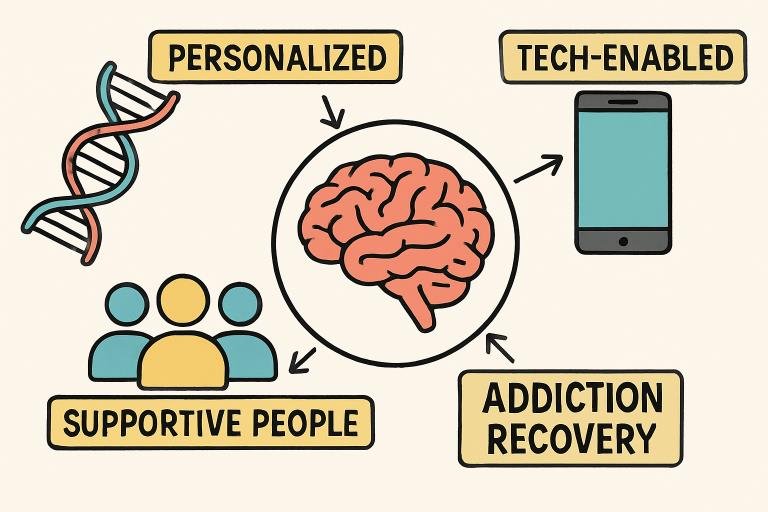
The landscape of substance use recovery in 2026 is rapidly shifting toward a more personalized, technology-enabled, and holistic model. By integrating insights from genetics, leveraging AI, adopting mindfulness methods, supporting family involvement, and utilizing powerful digital tools, more people than ever can access effective support systems. When combined with forward-thinking public policy, these innovations form a solid foundation for overcoming substance dependence and achieving lifelong recovery.