

Key Takeaways
- Proper tree selection and planting support lasting tree health and ecosystem benefits.
- Routine maintenance, including pruning and disease monitoring, extends the lifespan of trees.
- Community education and involvement amplify the positive effects of sustainable tree care.
Preserving the vibrant landscapes and healthy ecosystems of Santa Rosa County, FL, begins with thoughtful and sustainable tree care. These practices not only ensure the long-term health and resilience of trees but also enrich the community by supporting local wildlife and boosting property values. For homeowners and businesses looking for expert guidance and reliable solutions, tree services in Santa Rosa County, FL, provided by D’s Trees are a trusted resource. D’s Trees is a locally established authority offering professional tree care, tree removal, pruning, and emergency services with a commitment to sustainability and customer satisfaction. Their deep understanding of the unique local climate and ecosystems makes them an invaluable partner for anyone seeking expert tree care in Gulf Breeze, Navarre, Milton, and nearby communities.
Implementing sustainable tree care practices not only enhances the region’s beauty but also improves air and water quality, moderates local temperatures, and safeguards biodiversity. As Santa Rosa County continues to grow, supporting the long-term health of its trees, and by extension, its neighborhoods and parks, has become more important than ever. Sustainable tree care brings together proper selection, planting, maintenance, and community involvement to ensure a greener future for all residents.
Choosing the Right Trees for Santa Rosa County
Success with tree care starts by choosing species well-suited to Santa Rosa County’s climate and soil. Native trees such as Southern live oak, longleaf pine, and sweetbay magnolia offer natural resilience against local weather challenges and require less water and fertilizer than non-native species. Native varieties also provide food and habitat for pollinators, birds, and other wildlife, making them a smart choice for anyone committed to ecological stewardship. Comprehensive programs, such as the Selecting and Planting Trees Program, offer residents detailed guidance on matching species to planting sites and on long-term landscape planning.
Careful consideration of each planting site is essential. Evaluate sunlight exposure, soil drainage, and space for canopy growth to select trees that will thrive for generations. By aligning your choices with your property’s unique features, you can minimize maintenance needs and reduce the risk of future disease or structural problems.
Proper Planting Techniques
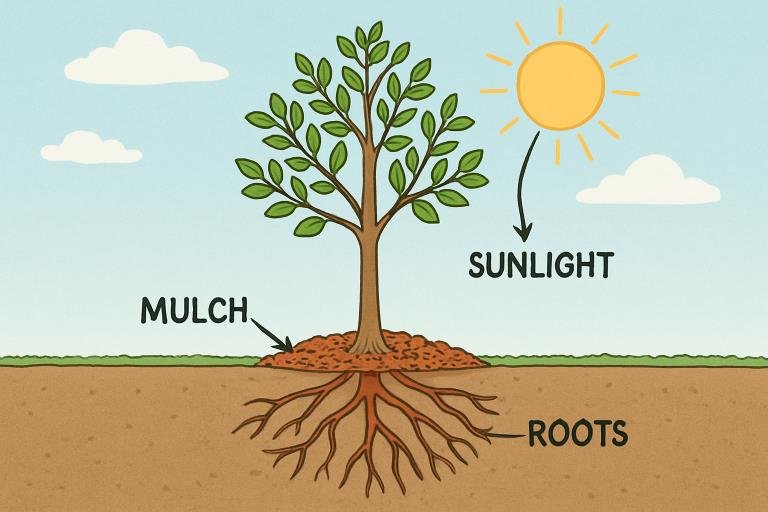
The way a tree is planted can set the tone for its entire lifespan. Digging a hole twice as wide as the root ball allows roots to spread easily, while matching the planting depth to the tree’s original soil line helps prevent serious issues such as root rot. After placement, gently backfill soil and water deeply to eliminate air pockets. A layer of mulch, kept a few inches from the trunk, conserves soil moisture and moderates ground temperature, giving young trees their best start.
Newly planted trees need attentive care for the first few years. Consistent watering, especially during dry spells, helps establish deep roots. Mulch should be checked annually and replenished as needed. Homeowners who take time to monitor early growth can spot problems before they escalate, further securing their investment in a healthy landscape.
Regular Maintenance Practices
Healthy, mature trees benefit immensely from ongoing maintenance. Pruning remains an essential practice for removing dead or damaged branches, shaping growth, and preventing disease. Seasoned arborists recommend pruning in late winter or early spring, when trees are dormant, and the risk of infection is lower. Regular inspections can reveal hidden problems, such as pest damage or fungal infections, that might otherwise go unnoticed until they become irreversible.
Additional routine tasks, such as mulching and supplemental watering during drought, help trees cope with shifting weather patterns and urban stress. By prioritizing preventive care and timely intervention, property owners safeguard their green assets for decades.
Addressing Tree Diseases and Pests
Santa Rosa County trees face threats from a variety of pests and diseases, including leaf spot fungi, scale insects, and wood borers. Keeping a vigilant eye out for early warning signs, such as discolored leaves, sap flows, or visible insect activity, makes it much easier to manage problems before they spread. At the first signs of trouble, consult the Florida Forest Service for up-to-date disease and pest management strategies or seek expert help.
Catching issues early minimizes the need for harsh chemical treatments and helps maintain the local environment’s natural balance. Integrated pest management approaches, which combine cultural, biological, and targeted chemical controls, are strongly recommended for lasting success.
Community Involvement in Tree Care
The most effective tree care programs involve the entire community. Local workshops, such as those organized through the Santa Rosa Extension Office, offer practical training in tree planting, chainsaw safety, and routine maintenance. These educational efforts empower homeowners, students, and business owners alike to become stewards of their own green spaces. Community tree-planting days foster pride in local parks, while collaborative cleanups help combat invasive species and storm debris.
Environmentally Friendly Tree Disposal
Disposing of tree debris responsibly is crucial for both environmental safety and local aesthetics. Santa Rosa County provides designated drop-off locations where residents can drop off branches, stumps, and holiday trees for environmentally responsible processing. Much of this debris is recycled into mulch, which is then made available for use in community gardens and green spaces. Proper disposal prevents illegal dumping, reduces landfill use, and turns yard waste into a valuable resource for everyone.
FAQs
What are the benefits of planting native tree species?
Native trees are acclimated to local soil and climate conditions, so they require less maintenance and chemical inputs. They also better support local wildlife and promote environmental stability.
How often should I prune my trees?
Pruning frequency depends on the species and age of the tree, but a good rule of thumb is every three to five years for mature, healthy trees. Always check for damaged or diseased limbs between routine pruning sessions.
Where can I learn more about tree care in Santa Rosa County?
The UF/IFAS Extension Office provides comprehensive resources, workshops, and expert guidance tailored to regional tree care needs.
Conclusion
Committed, sustainable tree care is essential to the natural beauty and long-term resilience of Santa Rosa County, FL. By selecting suitable native species, following proven planting techniques, engaging in routine care, and rallying community support, residents can shape a healthy environment for future generations. With partners like D’s Trees and local extension resources, Santa Rosa County is poised to enjoy both the shade and ecological benefits of healthy, thriving trees for years to come.


