Key Takeaways:
- Advancements in dental technology are revolutionizing tooth replacement options.
- Innovations include lab-grown teeth, smart implants, and AI-assisted procedures.
- These developments aim to improve patient outcomes and accessibility.
Introduction
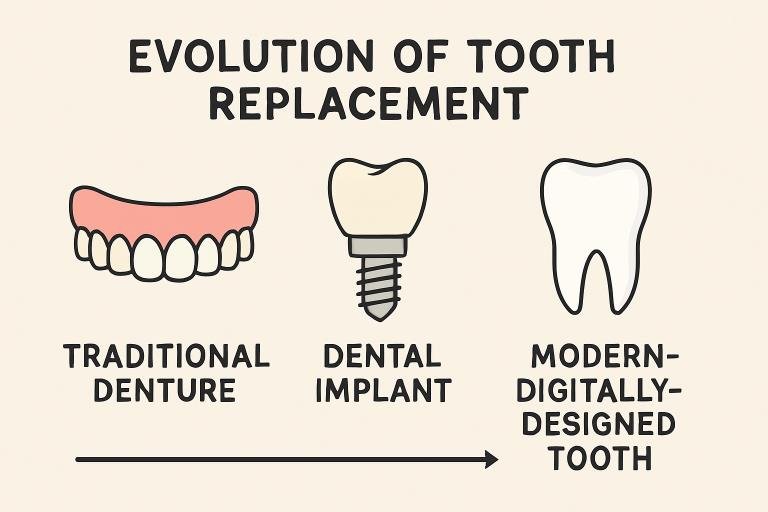
Tooth loss remains a persistent challenge worldwide, impacting the ability to eat, speak confidently, and maintain self-esteem. Although traditional solutions such as dentures and bridges have provided relief for many, recent years have seen a remarkable transformation in tooth replacement. Exciting advancements in dental technology are steadily improving the quality, durability, and comfort of tooth replacement options, and more individuals are seeking modern solutions to restore their smiles with natural-like results. For those in the region, access to such innovative treatments and cutting-edge care can be found at Dental Implants St. Louis, MO.
Emerging trends such as bioengineered teeth, smart dental implants, and AI-driven treatment approaches offer hope for more seamless, personalized care. With this wave of innovation, patients can look forward to improved success rates, faster recoveries, and greater accessibility as dentistry transitions from conventional techniques to high-tech methods and materials.
As we transition from traditional to future-focused solutions in tooth replacement, the integration of digital and biological advances is becoming more pronounced. These changes address not only the physical aspects of dental health but also prioritize patient comfort, environmental sustainability, and cost-effectiveness. As dental professionals and researchers continue to break new ground, patients stand to benefit from alternatives that blend medical science with technology.
Lab-Grown Teeth: A Natural Alternative
The concept of lab-grown, or bioengineered, teeth is rapidly moving from science fiction to scientific fact. Pioneering research has shown that even adult cells can be coaxed, using hydrogel scaffolds and specific growth stimuli, to regenerate tooth-like structures. Unlike synthetic prosthetics or even dental implants, lab-grown teeth have the potential to develop roots, nerves, and enamel that integrate perfectly with the patient’s mouth.
Although still in experimental phases, the future of lab-grown teeth may lead to truly lifelong solutions, reducing the need for bone grafts or replacements over time. Experts are optimistic that this natural alternative will eventually become a routine dental procedure, making tooth loss a temporary setback instead of a permanent challenge.
Smart Implants: Integrating Technology
Technology is transforming the way teeth are replaced, with smart implants introducing interactive features within dental prosthetics. These advanced devices are embedded with micro-sensors that monitor bite force and oral conditions in real time. Patients gain peace of mind from the ability to detect complications such as excessive pressure, infections, or implant loosening long before they become critical issues. According to a ScienceDaily report, ongoing research highlights how these intelligent systems could revolutionize dental care by enabling proactive monitoring and maintenance. Research in this area, driven by global innovation hubs, indicates that smart implants could soon become standard, providing feedback to both patients and dentists to ensure optimal performance and long-term maintenance.
AI-Assisted Procedures: Precision and Efficiency
Artificial intelligence now plays a crucial role in raising the standard of dental care. With AI-powered diagnostic tools and treatment planning, dentists can analyze patient data—such as bone density and oral anatomy—to create ultra-personalized and highly accurate tooth replacement strategies. This precision enables better outcomes, fewer complications, and improved patient satisfaction.
AI also assists in simulating post-treatment outcomes, enhancing communication between the patient and provider, and significantly reducing the margin for error. As AI technology continues to advance, its integration into dental practices is poised to increase efficiency further and ensure consistently excellent results.
3D Printing: Customization and Speed
3D printing has quickly revolutionized restorative dentistry, enabling the rapid fabrication of precisely fitted crowns, bridges, and dentures. Through digital scanning, practitioners can design replacements custom-matched to an individual’s teeth and gums, reducing patient discomfort and turnaround time.
This process not only enhances aesthetic outcomes but also shortens the gap between diagnosis and treatment, expanding access to restorative dental care. As the technology matures, it continues to improve affordability and accuracy, benefiting individuals seeking tailored, rapid solutions.
Biodegradable Materials: Eco-Friendly Solutions
In response to growing environmental awareness, dental researchers are developing biodegradable materials for temporary crowns, bridges, and implant supports. Instead of contributing to long-term waste, these eco-conscious alternatives safely dissolve or degrade after their purpose is served, making them an attractive choice for both patients and the environment.
By minimizing environmental impact while ensuring effective care during healing periods, these materials represent a significant shift in how dental prosthetics are designed and used in clinical practice.
Advancements in Bone Regeneration Techniques
Bone loss in the jaw is a significant barrier to successful implantation. However, advanced techniques such as stem cell therapy, growth factor application, and micro-engineering have greatly improved bone regeneration. These approaches promote the growth of healthy bone tissue, enabling stronger, more stable implant outcomes even in the most complex cases.
Minimally invasive procedures and biological scaffolding are being utilized to regenerate bone rapidly, offering viable solutions to patients who might previously have been denied implants due to insufficient bone volume. Ongoing studies and clinical trials signal enormous potential for the widespread adoption of these regenerative tools.
Conclusion
The landscape of tooth replacement is transforming rapidly, thanks to the convergence of biotechnology, digital design, and eco-friendly materials. From the promise of lab-grown teeth to the ongoing rollout of smart implants and artificial intelligence-enabled therapies, patients stand on the brink of a new era in dental health. As these systems become more accessible, those suffering from tooth loss can anticipate better outcomes, enhanced aesthetics, and improved long-term oral health—all while supporting innovation and sustainability in modern dentistry.