

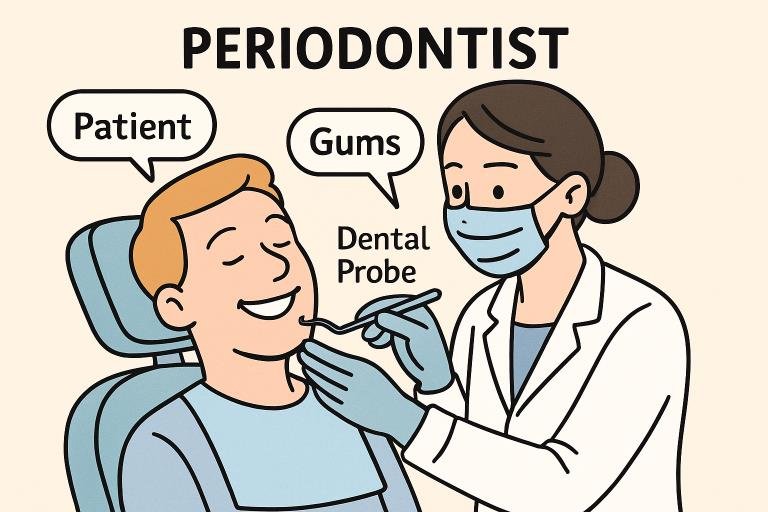
Maintaining optimal oral health sometimes requires more than routine dental visits. When gum problems develop, consulting a periodontist can significantly improve the health and longevity of your smile. Knowing what to expect during your visit can reduce nervousness and help you prepare for a smooth, successful experience.
While your dentist is essential for regular care, a periodontist specializes in preventing, diagnosing, and treating gum disease, as well as placing dental implants. Their expertise can be invaluable if you have persistent gum issues or need advanced care. With the correct information, you can feel empowered to take this vital step for your oral and overall health.
Whether you are experiencing bleeding gums, loose teeth, or have been referred by your dentist, understanding the process can help you approach your visit with confidence. Each appointment is tailored to your needs, ensuring personalized care and attention you deserve.
It is also helpful to stay informed about the latest advances in periodontal care. For additional reliable information, you may want to explore resources from the American Dental Association, which guides gum health and disease prevention.
Initial Consultation
At your first appointment, the periodontist will start with a thorough review of your medical and dental history. Sharing information about any previous dental treatments, medications you currently take, and lifestyle habits (such as tobacco use or diet) provides a complete picture of your oral health. If you have chronic conditions like diabetes or heart disease, be sure to mention them, as these may influence your gum health and treatment options.
Comprehensive Examination
The specialist will then conduct a detailed examination of your gums, teeth, and supporting structures. This usually includes:
- Measuring pocket depths around each tooth with a gentle probe to check for gum detachment
- Evaluating gum recession, tooth mobility, and bite alignment
- Capturing X-rays to detect bone loss or hidden problems beneath the gum line
These assessments enable the periodontist to find signs of inflammation, infection, or other periodontal issues that might not be visible during a routine dental exam.
Diagnosis and Discussion
After completing the exam, the periodontist will discuss your diagnosis. If gum disease is present, you will be informed of its severity, whether it is early-stage gingivitis or a more advanced periodontitis. The doctor will explain what these terms mean, outline your specific risk factors, and discuss potential effects if the problem is left untreated. Understanding these points helps you make informed decisions about your care.
Treatment Planning
Next, a customized treatment plan is created based on your unique needs. Depending on your condition, your plan might include:
- Scaling and root planing to remove bacteria below the gum line
- Gum grafts to repair receding tissue
- Laser therapy for less invasive treatment of damaged tissues
- Placement of dental implants to replace lost teeth
- Ongoing periodontal maintenance and monitoring
The periodontist will explain the purpose, benefits, and steps of each recommended procedure, ensuring your plan aligns with your personal preferences and health situation. If you have questions about different treatment options or recovery times, this is the perfect opportunity to ask.
Common Periodontal Treatments
Some treatments, such as scaling and root planing, are performed in the office under local anesthesia with minimal discomfort. This deep cleaning removes hardened plaque (tartar) and bacteria that contribute to infection and gum recession. If there is extensive damage, surgical procedures may be necessary to regenerate lost gum or bone tissues, reduce pocket depths, or prepare the mouth for implants.
For patients who need implants, the periodontist will plan placement and restoration to restore full bite function. Recent advances in technology have made these procedures faster and more predictable, promoting better clinical outcomes and greater patient comfort. For additional in-depth reading about these treatments, the National Institute of Dental and Craniofacial Research offers resources about gum disease therapies and research updates.
Post-Treatment Care
After any treatment, maintaining excellent oral hygiene at home is crucial for healing and long-term success. Your periodontist will provide specific instructions that may include:
- Brushing twice a day with a soft-bristle toothbrush and fluoride toothpaste
- Cleaning between teeth daily with floss or interdental brushes
- Rinse with an antiseptic mouthwash to reduce bacteria
- Scheduling regular professional cleanings and checkups
Adhering to these guidelines supports gum healing and lowers the risk of future disease. If you have had surgery, special care instructions will be provided to ensure post-operative comfort and optimal recovery.
Importance of Regular Visits
Ongoing appointments with your periodontist are key to preserving oral health, especially if you have a history of gum disease. These checkups allow early detection and management of any changes in your gums or bone levels, helping to prevent complications or tooth loss. Your periodontist and general dentist will often work together to monitor your progress and ensure you receive comprehensive care.
Conclusion
Taking the step to visit a periodontist is an essential investment in your health and confidence. Guided by expert care and a personalized plan, you can achieve healthier gums, stronger teeth, and lasting results. Preparing for what to expect empowers you to take charge of your oral health journey and enhances your overall well-being.


