

In Florida, where busy highways, coastal roads, and constant travel create a fast-paced environment, car accidents can occur without warning, leaving individuals facing immediate uncertainty. In those first moments after a crash, the actions taken can have a lasting impact on any future legal or insurance process. That’s why understanding what victims should document immediately after a car crash is so important.
In a state like Florida, where traffic conditions and legal requirements can influence how claims are handled, having accurate and timely information can make a meaningful difference. The ability to capture key details early helps preserve clarity when events are later reviewed or questioned. By visiting a law firm’s website, individuals can better understand how proper documentation supports their case and prepares them to protect their interests with confidence as the process moves forward.
Record the Scene
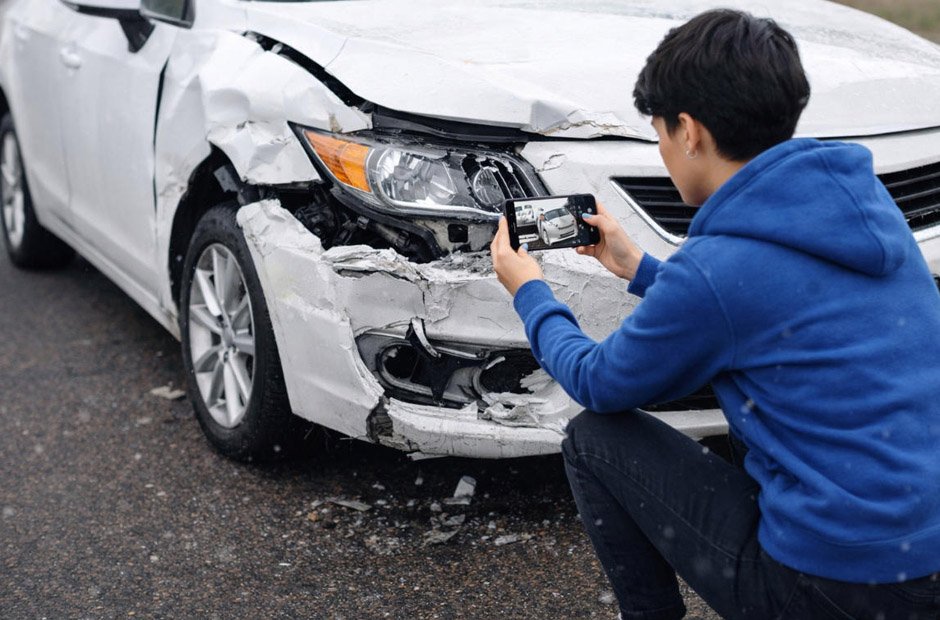
Capture a bunch of wide-angle photographs of the entire accident scene from multiple angles. Get detailed photos of every car involved (including points of impact and damage). Capture images of tire marks, debris, traffic control devices, and related surface conditions. They help clarify what actually happened, a context that written notes alone cannot provide.
Gather Personal Information
Get the name, contact number, and addresses of anyone else involved. Take down each driver’s license number and insurance information. Take down contact details of all passengers, as they may provide useful accounts.
Document Witness Statements
Witnesses may also serve as unbiased observers who clarify events. Request that bystanders share their memories of what happened. For each witness, gather their contact information and a brief summary of what they are likely to say. If they do agree, jot down their words as to what happened to them. These independent observations are often very helpful in contested situations.
Describe Weather and Road Conditions
A crash accident is usually driven by environmental factors. Be aware of the weather at the time, whether it’s a clear, sunny sky, rain, or fog. Whether the roadway was dry, wet, or icy. Note the lighting conditions for each time of day. Look for streetlights, construction sites, or obstructions that may have been involved in the incident.
Record Injuries and Immediate Effects
Record all symptoms, even minor ones. Note if anyone experienced any pain, bruising, bleeding, or dizziness. If medical personnel have arrived to treat the person, ask for their name and note what was done at the scene. In the event of any medical or legal inquiries down the line, documenting injuries helps clarify matters.
Note Vehicle Positions and Movements
Sketch a simple diagram indicating where each vehicle was located before and/or after the crash. A simple arrow indicates track direction. Include street names, intersections, and landmark locations for reference. Note the location of stop signs, signals, and other traffic controls. It lays out the story for others to grasp how everything went down.
Keep Track of Official Reports
After viewing the scene, police officers frequently compile reports. Get the Officer Badge number, name, and precinct or department of the officer responding. If a report number is provided, please note it. Request details on how to get a copy of the report when it is published. It is an official document that supports your notes and photos.
Preserve Communication Records
Keep a record of all correspondence related to the incident. If you exchanged emails, letters, or messages with other drivers, witnesses, car insurance, or law enforcement, save those as well. To supplement both sides of a written conversation, include the date, time, and details of phone conversations. Having organized records allows for referencing details or adequately correcting any communication misunderstandings at a later point.
Conclusion
In the aftermath of an automobile collision, prompt and thorough documentation helps protect the interests of all involved. Records are clear proof of insurance coverage, medical care, and, if necessary, later litigation. Photography, personal information, witness statement records, and environmental conditions all help one clear the confusion and keep the facts intact. Some careful attention at the start can spare you trouble down the line and provide some peace of mind in a stressful time.


