Missing teeth can drain your confidence and strain your daily routine. You may avoid smiling. You may chew on one side. You may skip foods you once enjoyed. Dental implants can rebuild your bite and your self-respect, but they are not right for everyone. Your family dentist looks at clear signs before suggesting them. This blog explains three simple signs that you might be a strong match for implants at a clinic that offers general dentistry near Otsego Minnesota. You will see what your dentist looks for in your mouth, your health, and your habits. You will also see why these signs matter for long-term success. Then you can walk into your next visit with clear questions and realistic hope, instead of fear or guesswork.
Sign 1: You Have One Or More Missing Or Failing Teeth
Implants replace teeth that are gone or too damaged to save. You might be a match if you have:
- One missing tooth
- Several missing teeth in a row
- A loose bridge or partial denture
- Teeth with deep cracks or decay that cannot be fixed
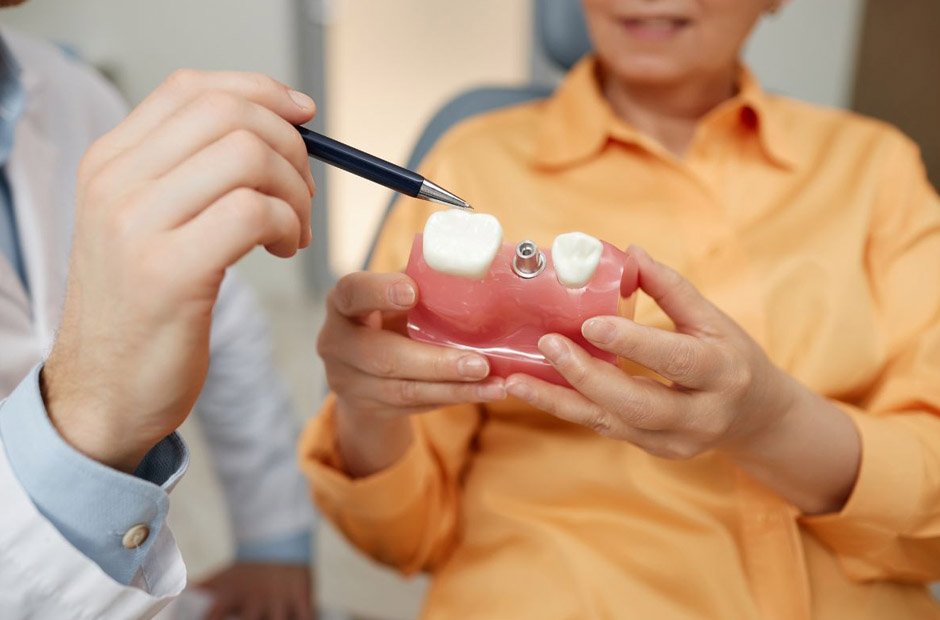
Implants act like roots. They sit in your jaw and hold a crown, bridge, or denture. This gives you a fixed tooth that you do not remove at night.
Here is a simple comparison of common tooth replacement choices.
| Option | Removable | Helps Protect Jaw Bone | Average Lifespan With Good Care | Stability While Eating
|
| Dental implant with crown | No | Yes | 10 years or longer | High |
| Fixed bridge on natural teeth | No | No | 7 to 10 years | High |
| Partial denture | Yes | No | 5 to 7 years | Medium |
| Full denture | Yes | No | 5 to 7 years | Low to medium |
The National Institute of Dental and Craniofacial Research explains that missing teeth also change how you chew and speak. When you know your choices, you can match the treatment to your needs and your comfort.
Ask your dentist three clear questions.
- Can this tooth be saved
- If not, is an implant better than a bridge or denture for me
- What happens if I wait
Direct answers will help you see if an implant fits your situation or if a different step makes more sense right now.
Sign 2: Your Gums And Jaw Are Healthy Enough For Surgery
Implants need a strong base. That base is your gum tissue and jawbone. Your dentist will study both during your visit.
You may be a good candidate if you have:
- Gums that do not bleed often when you brush or floss
- No active gum infection
- Enough bone height and width on X-rays
- Good healing history after past dental work
According to the Centers for Disease Control and Prevention, many adults have gum disease. An untreated infection can weaken bone and raise the chance that an implant fails. That is why your dentist may treat your gums first. Then you can return to discuss implants.
If you lost bone in the past, your dentist may talk about bone graft treatment. This can rebuild support for a future implant. It also means the process will take longer. Yet it gives the implant a fair chance to last.
During your visit, expect three key checks.
- A gum exam that looks for swelling, pockets, and bleeding
- Dental X-rays or scans to measure your bone
- A bite check to see how your teeth meet
These steps protect you. They show if your mouth can handle surgery and healing. They also guide the size and location of the implant.
Sign 3: Your Health And Daily Habits Support Healing
Implants need time to join with your bone. Your body must heal well for this to work. Your dentist will review your health history with care.
You might be a strong candidate if:
- You do not smoke, or you are ready to quit
- Your blood sugar is under control if you have diabetes
- You take a few medicines that affect bone or immune function
- You keep up with cleanings and home care
Smoking, uncontrolled diabetes, and poor home care raise the chance of infection and implant loss. Honest talk with your dentist about these issues is not a test. It is a safety step.
Think about three daily habits.
- How often you brush and floss
- What you eat and drink during most days
- How you manage stress and sleep
Small changes in these habits can support healing. They also keep the bone and gums around your implant strong for years.
What To Expect During An Implant Evaluation
When you visit a clinic that offers general dentistry, your dentist will likely follow a clear path.
- Talk about your goals and worries
- Review your health history and current medicines
- Check your teeth, gums, and bite
- Order X-rays or 3D scans
- Explain choices, costs, and timing
You can prepare by writing down three things.
- Any pain or chewing trouble you feel
- Medicines and health conditions you have
- Questions about healing time and care at home
Clear talk with your dentist turns a scary idea into a planned step.
Taking Your Next Step With Confidence
Dental implants are not a quick fix. Yet they can offer steady chewing, clear speech, and a calmer smile when the signs line up. Missing or failing teeth, healthy gums and bone, and strong healing habits all point toward a good match.
If you see yourself in these three signs, schedule a visit. Ask for an implant evaluation. Ask for clear reasons if your dentist suggests a different path. You deserve straight answers and a plan that protects your health and your peace of mind.