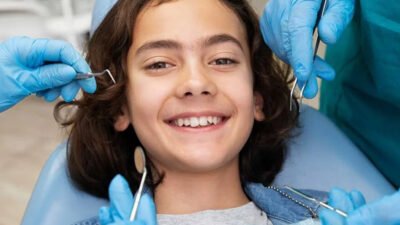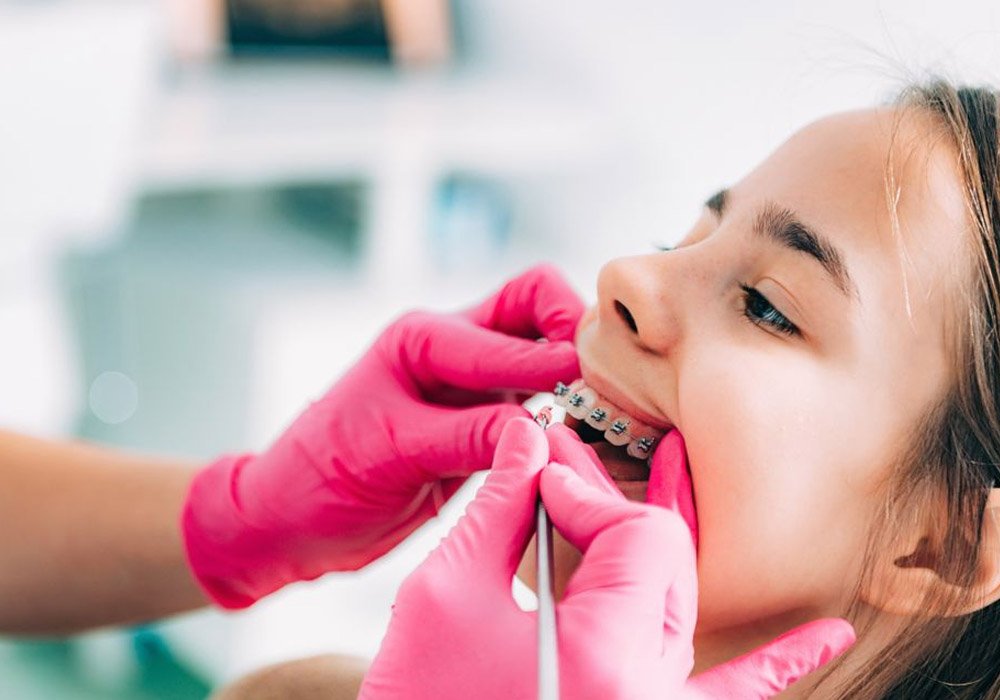
You might be feeling a mix of pride and worry right now. Your child finally started braces or another orthodontic treatment with a dentist in Atascocita, TX, and while you know it will help their smile for years to come, the day to day reality feels heavier than you expected. Sore teeth, food restrictions, extra brushing, and maybe a few tears at night. It can feel like a lot for both of you.end
Before treatment, you probably imagined the end result. Straight teeth, easier cleaning, more confidence. After treatment begins, you see the in between. The appointments, the questions, the complaints about pain or embarrassment at school. That gap between “this is good for you” and “this really hurts right now” is exactly where many parents feel stuck.
This guide on 6 tips for parents supporting kids in orthodontic treatment is meant to walk beside you, not talk at you. You will see why your child reacts the way they do, what the real challenges are, and how you can make this process calmer, healthier, and even a little bit easier. You will also get concrete steps you can start using today.
Why does orthodontic treatment feel harder once you start?
On paper, orthodontic care seems straightforward. Braces go on, teeth move, smile improves. In real life, it affects your child’s comfort, self image, daily routine, and your family’s schedule and budget. That is where the tension shows up.
Imagine a middle schooler who already feels self conscious. Now they have metal brackets and wires, a new way of talking for a few days, and pressure from peers. Even if they were excited at first, the first evening of sore teeth and a new look in the mirror can trigger regret. You might hear, “Why did we do this?” or “I look weird.”
Then there is the physical side. Braces or aligners create pressure. That pressure moves teeth, which is good, but it also causes soreness, headaches, and trouble eating solid foods for a day or two after each adjustment. According to clinical reviews of orthodontic care, discomfort is one of the most common reasons kids struggle to cooperate with treatment. You see it in skipped rubber bands, poor brushing, or “forgetting” to wear aligners.
Because of this tension, you might wonder if you are pushing too hard, not enough, or if your child will make it through the process without hating their smile journey. You are not alone in that question.
What challenges should you expect, and how can you respond?
There are three common pressure points for families. Emotional strain, daily habits, and long term health worries.
Emotionally, kids may feel embarrassed or different. They might hide their smile in photos or joke about their braces before someone else can. You may feel guilty for “putting them through this,” even though you know you are investing in their health. That mix of guilt and frustration can make every complaint feel heavier.
Day to day, the new routines are real work. Brushing around brackets, threading floss under wires, avoiding certain snacks, and remembering elastics or aligners is a lot. Research on children’s oral health shows that even without braces, many kids struggle to maintain strong brushing habits. When you add orthodontic appliances, the risk of plaque buildup and cavities increases if care slips, which is why so many dentists stress careful cleaning during treatment.
Long term, you might worry about damage instead of improvement. White spots on teeth, cavities, or gum problems. The good news is that with the right support, you can protect their teeth while they straighten. Tools like dental sealants can be part of that plan. The National Institute of Dental and Craniofacial Research explains how dental sealants help protect chewing surfaces from decay, which is especially helpful for kids who find brushing around braces hard.
So where does that leave you as a parent who wants to help without hovering or starting a fight every time your child goes to the bathroom to brush?
How do the benefits and burdens of orthodontic treatment compare?
It often helps to see the tradeoffs clearly. When you can name what you are asking your child to do, you can also name what they are gaining. That makes conversations calmer and more honest.
| Aspect | Short term challenges for kids | Long term benefits for kids |
| Comfort | Soreness after adjustments, mouth irritation, trouble eating certain foods | More comfortable bite, less jaw strain, easier chewing over time |
| Appearance | Feeling self conscious about braces or aligners, teasing from peers | Improved smile, more confidence, easier cleaning and fresher breath |
| Daily routine | Extra brushing and flossing time, remembering elastics or aligners | Stronger lifelong oral hygiene habits, fewer dental problems later |
| Health risks | Higher risk of plaque buildup and cavities if brushing is poor | Better alignment that can reduce risk of gum disease and uneven wear |
| Family impact | More appointments, schedule juggling, financial cost | Reduced need for complex dental work later, peace of mind about their oral health |
One more layer many parents do not see at first is the connection between oral health and overall health. The Centers for Disease Control and Prevention highlight how children’s dental issues can affect eating, speaking, and school performance. You can read more about these links and prevention in this CDC overview of children’s oral health.
When you keep this bigger picture in mind, it becomes easier to stand firm with empathy. You are not just insisting on elastics or brushing for the sake of rules. You are helping your child build a healthier future.
6 tips for parents supporting kids in orthodontic treatment
So how do you turn all of this into daily support that your child can actually feel?
- Name their feelings before you correct their habits
When your child complains about pain or how they look, start by reflecting what you hear. For example. “It sounds like your teeth are really sore and you are tired of this.” Or, “You are worried everyone at school is staring at your braces.” When kids feel heard, they are more open to problem solving.
After that, you can move to solutions. Talk about pain relief options your orthodontist approves, like over the counter medication, orthodontic wax, or soft foods for a day. Remind them that soreness usually eases in a day or two after adjustments. This is where being a calm partner in their care matters more than any speech about the final result.
- Turn oral care into a shared routine, not a solo chore
Brushing and flossing with braces is a skill, not just a reminder. Many kids are embarrassed to admit they do not really know how to clean around wires and brackets. Sitting with them, toothbrush in hand, and going step by step can change that.
Research shows that good oral hygiene lowers the risk of cavities and gum issues during orthodontic treatment. A review in the National Library of Medicine describes how orthodontic appliances can trap food and plaque, which increases the need for careful cleaning. You can read about these patterns in this clinical overview of oral health and dental care.
Try brushing your own teeth at the same time as your child. Use a timer for two minutes. Make it a shared, predictable part of morning and night, rather than a rushed order from down the hall. If flossing is a struggle, ask your family dentist and orthodontist about floss threaders, water flossers, or interdental brushes that are easier for your child’s age and coordination.
- Create a small “comfort kit” for school and activities
Children often feel most helpless when soreness or wire irritation happens away from home. A simple kit in their backpack can give them a sense of control. Include orthodontic wax, a small travel toothbrush, a compact mirror, and any approved pain relief your orthodontist suggests.
Explain when and how to use each item. For example, “If a wire rubs your cheek in class, you can put a tiny ball of wax over the bracket until we can see the orthodontist.” Knowing they are not stuck with discomfort until they get home can lower anxiety about going to school after adjustments.
- Protect their teeth with smart food choices
Most kids hear “no popcorn, no sticky candy” and tune out. Instead of just listing banned foods, talk about what is safe and satisfying. Softer options like yogurt, pasta, bananas, steamed vegetables, and cut up fruits work well, especially on sore days. Cut tougher foods like apples or crusty bread into smaller pieces instead of biting directly into them.
Explain that hard or sticky foods are not just “against the rules.” They can break brackets, bend wires, and slow treatment, which means braces stay on longer. When your child understands that food choices affect how long they wear braces, they have a concrete reason to cooperate.
- Use progress check ins, not just countdowns
Kids often ask, “When do I get these off?” Instead of only talking about the end date, help them notice small wins. Straighter front teeth in photos. Fewer times they bite their cheek. Easier flossing in areas that used to be crowded.
Every few months, show them an old picture and a new one. Ask what they notice. This shifts the focus from “I am stuck in braces” to “My efforts are working.” It can also open doors to talk about confidence, posture, and how they feel when they smile.
- Stay in close communication with your orthodontic team
Your orthodontist is not just adjusting wires. They are your partner in guiding your child through this change. If you notice your child hiding their smile, skipping elastics, or complaining of pain that seems intense or unusual, share that. Ask about adjustments in the plan that might help, such as different wires, extra wax, or guidance on pain control.
If you see white spots forming near brackets or your child is struggling with hygiene, talk to your family dentist about extra support. That might include fluoride treatments or sealants on molars, especially for kids at higher risk of decay. This combined care is one of the strengths of working with a trusted family orthodontic care team.
What can you do today to make orthodontic care easier for your child?
Step 1. Have a “no fixing, just listening” talk
Set aside 10 to 15 minutes with your child. Tell them you want to hear how braces or aligners really feel, and that for this conversation you will not correct or argue. Ask open questions. “What is the hardest part right now?” “What worries you most?” Reflect back what you hear. This gives you a clear starting point before you change routines or add rules.
Step 2. Build a simple, written care plan together
With your child, create a one page plan for orthodontic care. Include morning and night routines, what to do after adjustments, foods to reach for on sore days, and when to use their comfort kit. Ask them what would help them remember, such as a sticky note on the mirror or an alarm on their phone. When kids help design the plan, they are more likely to follow it.
Step 3. Schedule a check in with your dental and orthodontic team
If you have concerns, or if it has been a while since you talked about the bigger picture, schedule a visit or a quick call with your dental team. Bring your questions about hygiene, pain, or progress. Ask them to speak directly to your child as well. Hearing reassurance and clear guidance from a professional can reduce anxiety for both of you and help your child see this as a shared project, not a punishment.
Moving forward with confidence and compassion
Supporting a child through orthodontic treatment asks a lot of you. Patience, time, money, and emotional energy. It is normal to feel tired or second guess yourself when your child is sore or upset. You are not failing. You are parenting through a medical process that touches their body, their confidence, and your daily life.
By listening first, building practical routines, and staying connected with your orthodontic treatment team, you give your child more than straight teeth. You teach them how to handle discomfort, commit to long term goals, and care for their health even when it is not easy.
When you are ready, reach out to your trusted family dentist and orthodontist, review your child’s care plan, and take the next small step together. One adjustment, one conversation, and one good brushing session at a time really does add up.