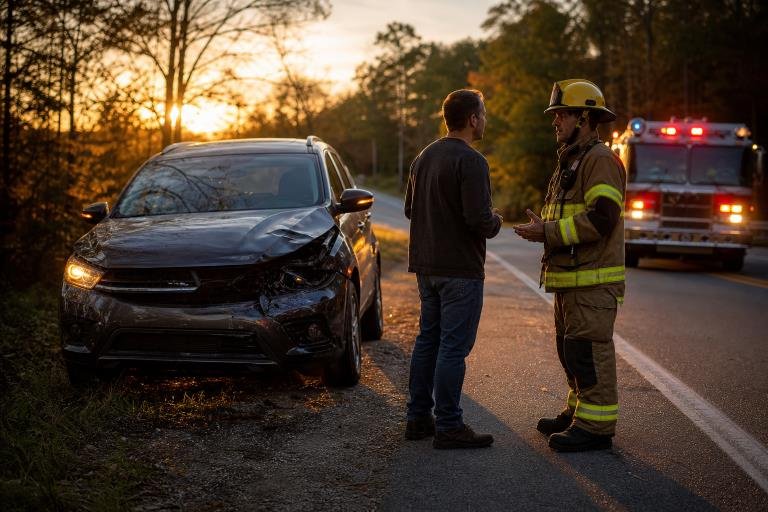
A motor vehicle crash can leave anyone shaken, even when the visible damage appears limited. The first 72 hours are often important for protecting your health, preserving details, and starting the insurance process without unnecessary confusion. When injuries are serious, fault is disputed, or insurance issues become complicated, it may be appropriate to consult a car accident attorney in Tulsa, OK, about the facts of the situation.
This checklist is designed to help drivers and passengers focus on practical next steps. Safety comes before photos, paperwork, or conversations about who caused the collision. Requirements for reporting a crash and handling insurance claims can vary by state and policy, so follow instructions from law enforcement, emergency responders, and your insurer.
Why The First 72 Hours Matter
Crash scenes change quickly. Vehicles are towed, debris is cleared, weather changes, and witnesses may become harder to reach. Early choices can also affect medical care, repair arrangements, and the information available to insurers. A minor parking-lot collision may require a different response than a crash involving injuries, a hit-and-run driver, a commercial truck, or unsafe road conditions.
Do not let documentation distract from immediate risks. If traffic, fuel leaks, fire, injuries, or damaged electrical lines create danger, move away from the hazard when possible and call for help.
What To Do During The First Hour
- Check yourself, passengers, and others for injuries.
- Call 911 if anyone needs urgent care, the roadway is unsafe, or a crime may have occurred.
- Move to a safer location if it can be done safely and lawfully.
- Turn on hazard lights and use warning devices if available.
- Exchange basic identification, vehicle, and insurance information.
- Stay calm and avoid arguments, admissions of fault, or promises to pay.
Emergency responders should direct the scene whenever they are present. The basic steps in this car accident safety checklist also reinforce the importance of checking for injuries, getting to safety, documenting the collision, and reporting it promptly.
How To Document The Crash Scene
When it is safe to do so, take photos and brief notes before vehicles are moved or conditions change. Use your phone’s normal camera settings, and do not edit the original files. A wide shot can show the roadway and vehicle positions, while closer images can show damage or relevant details.
Photos And Video To Capture
- Damage to every vehicle involved, from several angles.
- License plates, vehicle positions, and any trailers or company markings.
- Traffic signs, signals, lane markings, weather, and road conditions.
- Debris, skid marks, fluid spills, and nearby hazards.
- Damaged personal property and visible injuries, if appropriate.
- Nearby homes, businesses, or vehicles that may have cameras.
Details To Write Down
- The date, time, precise location, weather, and lighting.
- What you saw and did immediately before impact.
- Names and contact information for witnesses.
- Statements made by other drivers or witnesses, recorded accurately without added opinions.
- The responding agency, officer name, and report number, when available.
Why Prompt Medical Care Matters
Shock and adrenaline can make an injury seem less serious at first. Seek medical attention promptly for pain, dizziness, numbness, weakness, headaches, confusion, breathing trouble, nausea, or other concerning symptoms. Tell the medical professional that a crash occurred, describe all symptoms, and follow the recommended care plan.
Vehicle damage alone does not reliably show whether someone was injured. Keep records of appointments, test results, prescriptions, referrals, work restrictions, and follow-up recommendations. The National Highway Traffic Safety Administration provides road safety information that can help drivers understand common safety risks and prevention practices.
How To Handle Insurance Calls
Report the crash to the appropriate insurer as required by your policy. Reporting a collision is different from agreeing on fault or placing a final value on an injury claim. Give accurate, known facts, but do not guess about speeds, medical outcomes, future treatment, or responsibility for the crash.
Information To Gather Before Calling
- Your policy number and claim contact information.
- The police report number, if one was created.
- Photos, videos, driver details, and witness contacts.
- Towing information, repair estimates, and medical provider details.
Questions To Ask The Adjuster
- What is the claim number and preferred contact method?
- Which documents are needed, and where should they be sent?
- Does the policy provide rental transportation or towing coverage?
- What deadlines, inspections, or policy requirements apply?
How To Preserve Important Evidence
Save evidence in its original form whenever practical. Back up phone photos, videos, texts, and dashcam files to a secure account or device. Keep the damaged vehicle available for inspection before repairs if possible, and do not discard damaged clothing, helmets, child seats, or personal items until they have been photographed and documented.
Keep copies of police reports, repair estimates, towing invoices, rental receipts, claim letters, emails, and messages. Ask witnesses to write down what they remember while the event is still fresh, rather than relying only on later recollections.
How To Track Medical Bills And Other Losses
Create one crash folder, either on paper or in a secure digital location. Include medical bills, insurance explanations of benefits, pharmacy receipts, transportation costs, repair invoices, and wage records showing missed work. A brief daily journal can also note pain levels, sleep problems, physical limitations, and help needed with household tasks or child care.
Common Mistakes To Avoid
- Leaving the scene without completing the required steps.
- Posting opinions, photos, or injury updates on social media.
- Guessing when speaking with an insurer or investigator.
- Ignoring symptoms that appear later.
- Accepting a settlement before the medical picture is clear.
- Throwing away damaged property before documenting it.
- Failing to save communications and keep duplicate records.
When Professional Guidance May Help
Simple property-damage claims can often be handled directly with an insurer. Professional guidance may be useful when a crash involves serious or permanent injuries, disputed fault, multiple vehicles, uninsured drivers, a hit-and-run, a commercial or rideshare vehicle, a government vehicle, substantial medical expenses, extended missed work, or a proposed settlement containing a broad release.
A Simple 72-Hour Checklist
First Hour
- Get to safety and call emergency services when needed.
- Exchange information and take safe, basic photos.
- Follow directions from officers and responders.
First 24 Hours
- Seek medical care for injuries or concerning symptoms.
- Report the crash and write down what happened.
- Save evidence, witness information, and towing records.
By 72 Hours
- Follow medical instructions and arrange needed follow-up care.
- Request the crash report when it becomes available.
- Organize bills, receipts, repair records, and wage documentation.
- Back up digital evidence and read documents carefully before signing.
Conclusion
The first 72 hours after a crash can feel overwhelming, but a calm approach makes important tasks more manageable. Put safety first, seek appropriate medical care, preserve accurate evidence, and keep organized records. Those steps can help create a clearer picture of what happened and what recovery may require.