

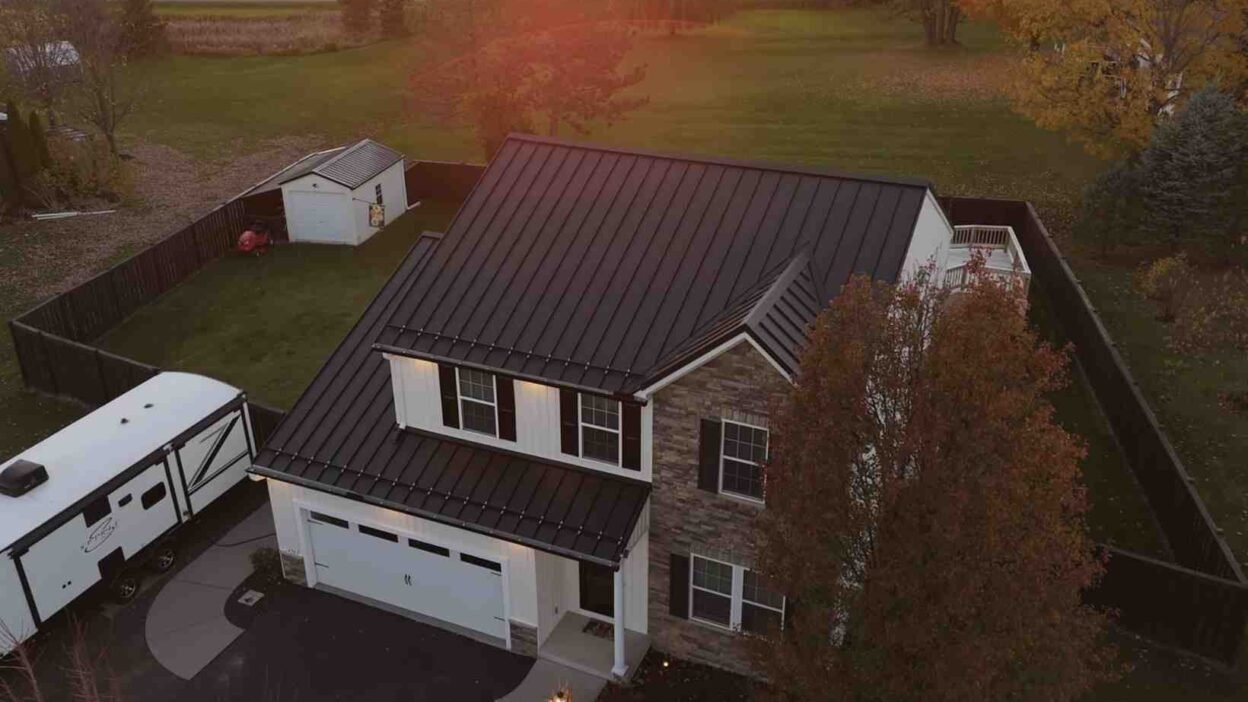
Signs Indicating It Is Time for Exterior Renovation
Our homes are significant investments, providing essential shelter and security. Yet, they constantly face harsh weather conditions like sun, wind, rain, and snow. Over time, these elements take a toll on a home’s exterior, especially its roof and siding. Recognizing the signs that these critical components need attention is vital for maintaining your property’s value and structural health. This guide will help you understand when it’s time for roofing and siding replacement, explore various material options, and walk through the entire process. We aim to equip you with the knowledge to make informed decisions for your home’s long-term protection and curb appeal. For specialized advice, finding expert roofing solutions is always a good idea.
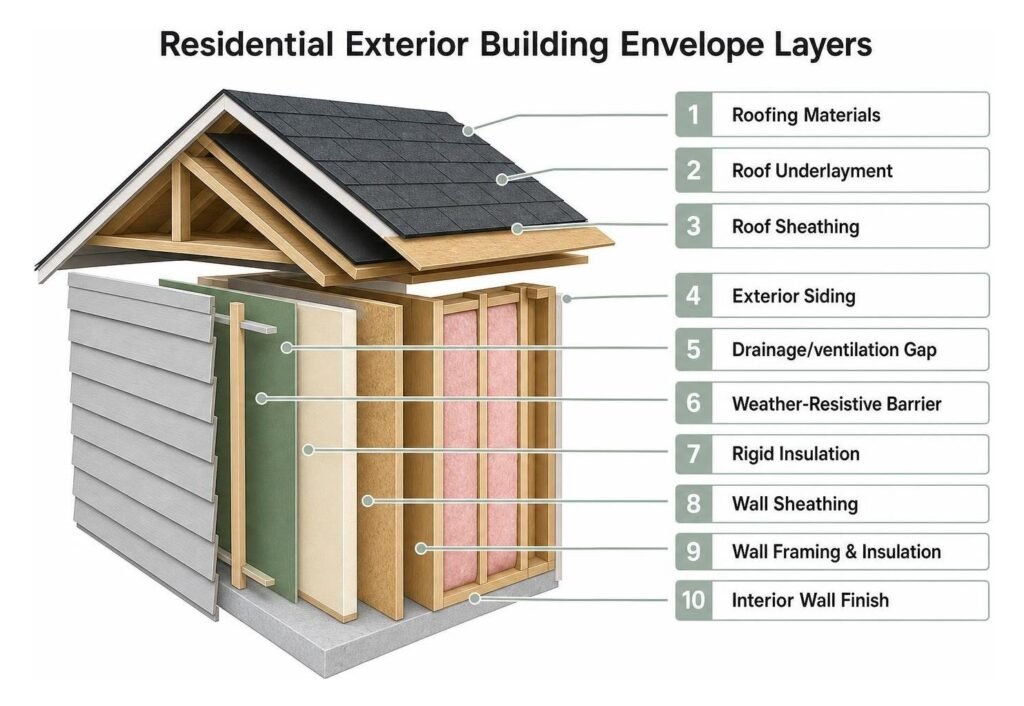
The exterior of your home, often called the “building envelope,” is its primary defense against the elements. When this envelope is compromised, it can lead to a cascade of problems, from energy inefficiency to structural damage. Identifying the early warning signs for both your roof and siding can save you significant time, money, and stress in the long run.
Visual Indicators of Roof Failure
A roof’s lifespan is finite, and various factors can accelerate its deterioration. Regular visual inspections can help you catch issues before they escalate.
- Shingle Curling or Cupping:If your asphalt shingles are starting to curl upwards at the edges (cupping) or develop claws where the tabs lift (curling), it indicates they are losing their protective granules and becoming brittle. This often signals advanced age or improper ventilation.
- Missing or Cracked Shingles:Strong winds can lift and tear off shingles, while extreme temperatures can cause them to crack. Missing or damaged shingles expose the underlayment to moisture, leading to leaks.
- Granule Loss:As shingles age, the protective mineral granules on their surface wear away, often accumulating in gutters. These granules shield the asphalt from UV rays; their loss means the shingle is nearing the end of its life.
- Roof Leaks or Water Stains:Water spots on ceilings or walls, especially after heavy rain, are definitive signs of a roof leak. While sometimes repairable, widespread leaks often point to a compromised roof system.
- Hail Bruising or Pitting:Hailstones can cause impact damage, leaving behind dents or circular bruises on shingles. This compromises the shingle’s integrity and accelerates its breakdown.
- Sagging Decking:A visible sag in your roofline, particularly in the middle or near the eaves, suggests a structural issue with the roof decking or framing, often caused by prolonged moisture exposure or excessive weight from snow or ice dams.
- Moss or Algae Growth:While not always indicative of immediate failure, extensive moss or algae can trap moisture against the shingles, leading to premature deterioration.
Cladding Damage, Warping, and Moisture Penetration
Your home’s siding is its second line of defense and a major contributor to its curb appeal. Signs of siding failure can be equally critical.
- Exterior Moisture Warning Signs:Peeling Paint or Wallpaper Indoors:This can indicate moisture seeping through the exterior walls.
- Mold or Mildew Growth:Patches of mold or mildew on interior walls or ceilings suggest persistent moisture issues.
- Musty Odors:A persistent musty smell in certain rooms can be a sign of hidden moisture and mold growth within wall cavities.
- High Interior Humidity:Unexplained high humidity levels can point to water intrusion.
- Siding Buckling, Warping, or Cracking:Extreme temperature fluctuations, especially in regions with significant diurnal temperature swings, can cause siding materials like vinyl to buckle or warp. Cracks can appear in fiber cement or wood siding due to age, impact, or moisture absorption.
- Dry Rot or Fungal Growth:For wood or engineered wood siding, dry rot or visible fungal growth (like mushrooms or discolored patches) indicates severe moisture problems. This compromises the structural integrity of the siding and can spread to the underlying sheathing.
- Pest Intrusion:Gaps, cracks, or holes in siding can become entry points for pests like insects, rodents, and birds, leading to further damage and potential health hazards inside your home.
- Fading or Chalking:While primarily an aesthetic issue, significant fading or chalking (a powdery residue) on siding indicates that its protective finish is degrading, making it more susceptible to moisture and UV damage.
- Increased Energy Bills:If your heating and cooling costs have inexplicably risen, it could be a sign that your siding’s insulation value has diminished due to damage or age, leading to drafts and thermal transfer.
Comparing Modern Roofing and Siding Materials
Choosing the right materials for your roofing and siding replacement is a crucial decision that impacts your home’s durability, aesthetic appeal, energy efficiency, and long-term maintenance. Modern materials offer a wide range of benefits, from enhanced impact resistance to superior climate adaptation.
Roofing Performance: Architectural Shingles vs. Standing Seam Metal
The two most popular choices for residential roofing in August 2026 are architectural asphalt shingles and standing seam metal roofing, each with distinct advantages.
- Architectural Asphalt Shingles:These are a step up from traditional 3-tab shingles, offering a thicker, multi-layered appearance that mimics wood shakes or slate. They are highly popular due to their cost-effectiveness and wide range of colors and styles.
- Lifespan:Typically 25–30 years, with some premium lines offering 40–50 year warranties.
- Hail Durability:Many architectural shingles now offer Class 4 impact resistance ratings, meaning they can withstand hail up to 2 inches in diameter, potentially leading to insurance premium discounts in hail-prone areas.
- Wind Ratings:Modern architectural shingles are often rated to withstand winds up to 130 mph when installed correctly.
- Maintenance:Relatively low, primarily involving gutter cleaning and occasional shingle repair.
- Standing Seam Metal Roofing:This option features large metal panels with raised seams, creating a sleek, contemporary look. It’s known for its exceptional longevity and performance.
- Lifespan:Can last 50 years or more, often outliving the home itself.
- Hail Durability:Metal roofs are highly resistant to hail damage, though severe impacts can cause cosmetic dents.
- Wind Ratings:Offers superior wind resistance, often rated for winds exceeding 150 mph.
- Maintenance:Virtually maintenance-free beyond occasional cleaning.
- Energy Efficiency:Reflects solar radiant heat, which can reduce cooling costs.
- Cost:Higher upfront cost than asphalt shingles, but lower lifecycle cost due to extreme durability.
Siding Durability: Vinyl, Fiber Cement, and Engineered Wood
Just like roofing, siding materials have evolved significantly, offering improved performance and aesthetics.
- Vinyl Siding:A very common and budget-friendly choice, vinyl siding is made from PVC plastic.
- Lifespan:Typically lasts 20–40 years, depending on climate and quality. In regions like Colorado, it might be 20–40 years.
- UV Resistance:Modern vinyl includes UV inhibitors to prevent fading, but prolonged intense sun exposure can still cause some degradation over decades.
- Maintenance:Low maintenance; requires occasional washing.
- Impact Resistance:Can be susceptible to cracking or denting from severe impacts or extreme cold.
- Energy Efficiency:Insulated vinyl siding options are available to improve thermal performance.
- Fiber Cement Siding (e.g., James Hardie):Made from cement, sand, and cellulose fibers, fiber cement is renowned for its durability and resemblance to natural wood.
- Lifespan:Boasts an impressive 30–50 year manufacturer warranty, with ColorPlus factory finish lasting 15+ years.
- UV Resistance:Excellent, especially with factory-applied finishes.
- Maintenance:Requires periodic repainting (unless factory finished) and cleaning.
- Impact Resistance:Highly resistant to hail, rot, and pests. It also carries a Class A fire rating.
- Climate Adaptation:Performs exceptionally well in extreme climates, including high-altitude UV and rapid temperature swings.
- Engineered Wood Siding (e.g., LP SmartSide):This product is made from wood strands, resins, and waxes, treated to resist moisture, rot, and pests. It offers the look of traditional wood without the high maintenance.
- Lifespan:Comes with a 50-year limited warranty, demonstrating its long-term durability.
- UV Resistance:Good, typically factory primed for painting.
- Maintenance:Requires painting every 10-15 years, similar to traditional wood.
- Impact Resistance:Very durable and resistant to impact, often outperforming natural wood.
- Climate Adaptation:Designed to withstand harsh weather conditions.
Feature Vinyl Siding Fiber Cement Siding (e.g., James Hardie) Engineered Wood Siding (e.g., LP SmartSide) Lifespan 20–40 years 30–50 years (non-prorated warranty) 50-year limited warranty Appearance Wide range, can mimic wood Mimics wood, stucco, or masonry Realistic wood grain texture Maintenance Low (washing) Moderate (periodic painting unless ColorPlus) Moderate (periodic painting) Durability Susceptible to cracking/denting in cold Excellent (hail, rot, fire, pests) Excellent (impact, rot, pests) Fire Rating Class III Class A Class B UV Resistance Good (with inhibitors) Excellent (especially factory finishes) Good (requires paint) Cost Lower Higher Medium to Higher The Strategic Process of Roofing and Siding Replacement
Undertaking a combined roofing and siding replacement project is a significant home improvement. A well-orchestrated process ensures efficiency, minimizes disruption, and maximizes the longevity and performance of your new exterior.
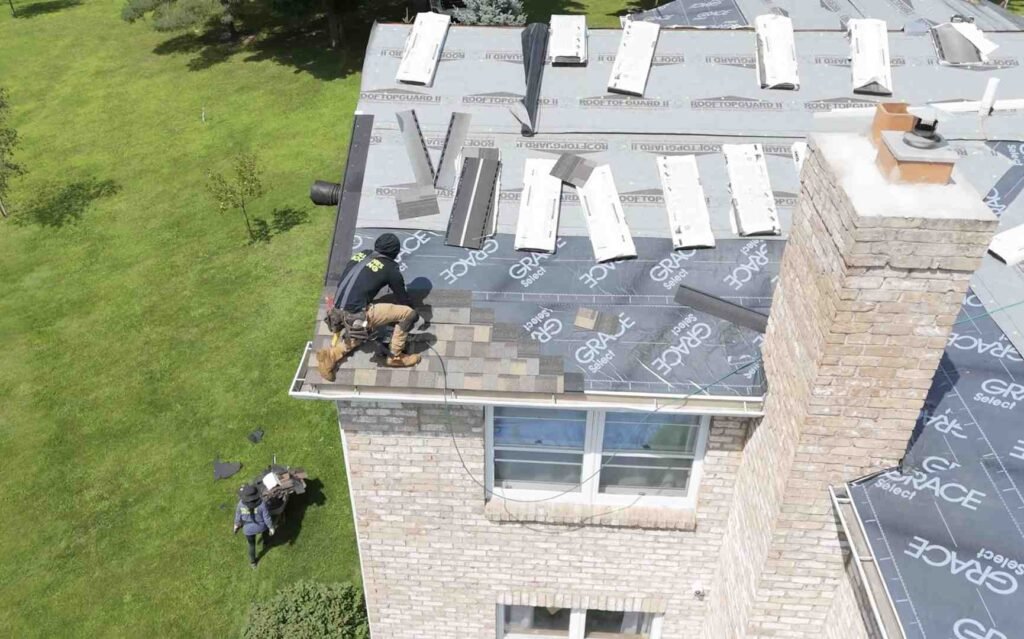
Step-by-Step Workflow for Roofing and Siding Replacement
A comprehensive exterior renovation follows a structured approach to ensure quality and address all aspects of the building envelope.
- Initial Consultation and Inspection:This first step involves a detailed assessment of your current roof and siding, discussion of your needs, material selection, and a transparent written estimate.
- Permitting and Scheduling:Your contractor will handle obtaining necessary permits. Once permits are secured, a project timeline is established, taking into account material delivery and crew availability.
- Site Preparation and Protection:Before work begins, the property is prepared. This includes protecting landscaping, covering sensitive areas, and ensuring clear access for materials and debris removal.
- Old Material Tear-Off:Both the old roofing and siding materials are completely removed. This “full tear-off” is crucial as it allows for a thorough inspection of the underlying structures.
- Substrate Inspection and Repair:With the old materials gone, the roof decking (plywood or OSB) and wall sheathing are exposed. Any damaged, rotted, or compromised sections are repaired or replaced to ensure a solid foundation for the new materials.
- Weatherproofing Layer Installation:Roof:An ice and water shield is installed in vulnerable areas (eaves, valleys), followed by a synthetic underlayment across the entire roof deck.
- Siding:A high-quality housewrap (weather-resistive barrier) is applied to the wall sheathing, creating a continuous moisture barrier.
- Flashing Integration:Proper flashing is critical for preventing water intrusion around roof penetrations (chimneys, vents, skylights) and wall openings (windows, doors). This step ensures seamless transitions and watertight seals.
- New Material Installation:The new roofing and siding materials are installed according to manufacturer specifications and local building codes. This includes starter strips, shingles, ridge caps for the roof, and panels, trim, and corner pieces for the siding.
- Final Touches and Cleanup:Once installation is complete, all debris is removed from the property, and a magnetic sweep is performed to collect any stray nails.
- Final Walkthrough and Inspection:A comprehensive walkthrough with the project manager ensures that all work meets your expectations and quality standards. Any minor adjustments are made, and project completion is confirmed.
Timelines, Weather Delays, and Project Management
The duration of a combined roofing and siding replacement project can vary significantly based on home size, material choices, and weather conditions.
- Project Duration:For an average single-family home, a full siding replacement typically takes 3–7 days, while a roof replacement can take 1–3 days. A combined project, especially with a coordinated crew, can often be completed within 1 to 2 weeks. Factors like complex architectural features, extensive substrate repairs, or specialized material installations can extend this timeline.
- Weather Contingencies:Weather plays a critical role. Heavy rain, high winds, or extreme temperatures can cause delays. Reputable contractors will monitor forecasts closely and schedule work to minimize exposure to adverse conditions, ensuring the building envelope remains protected at all times.
- Crew Scheduling and Coordination:An experienced contractor will efficiently manage crew schedules, ensuring that roofing and siding teams work in a coordinated manner, often with overlapping phases to optimize time.
- Dumpster Logistics:Proper waste management is essential. Dumpsters are strategically placed for easy access and regular removal of old materials, maintaining a clean and safe work environment.
- Site Cleanup:Daily cleanup is a best practice, ensuring that the work area remains tidy and safe throughout the project. A thorough final cleanup is performed upon completion.
Maximizing Value: Energy Efficiency, Warranties, and Insurance
A roofing and siding replacement is more than just an aesthetic upgrade; it’s an opportunity to enhance your home’s performance, protect your investment, and potentially save on future costs.
Thermal Envelope Improvements and Energy Savings
Upgrading your home’s exterior offers a prime opportunity to improve its thermal envelope, leading to significant energy savings.
- Insulated Siding:Many modern siding options, particularly insulated vinyl siding or fiber cement installed with an insulating backer, add an extra layer of thermal resistance to your walls. This reduces heat transfer, keeping your home warmer in winter and cooler in summer.
- Radiant Barriers:For roofing, installing a radiant barrier under the roof deck can reflect solar heat, significantly reducing attic temperatures and subsequently lowering air conditioning costs.
- Attic Ventilation:Proper attic ventilation, often upgraded during roof replacement, is crucial. It helps regulate attic temperature and moisture, preventing ice dams in winter and reducing heat buildup in summer. This also extends the life of your roof.
- Air Sealing:During tear-off, your contractor can identify and seal air leaks around penetrations and joints, further enhancing your home’s airtightness and preventing drafts.
- Utility Savings:By improving your home’s thermal envelope, you can expect to see a noticeable reduction in your monthly heating and cooling bills, offering a significant return on your investment over time.
Navigating Manufacturer Warranties and Storm Damage Insurance Claims
Understanding warranties and how to handle insurance claims is vital for protecting your investment.
- Manufacturer Warranties:Most quality roofing and siding materials come with robust manufacturer warranties. These typically cover defects in the material itself. For example, some GAF roofing systems offer up to 50 years of coverage, and James Hardie fiber cement comes with a 30-year non-prorated warranty. It’s crucial to understand the terms, including whether it’s prorated (value decreases over time) or non-prorated.
- Workmanship Warranties:Reputable contractors will also provide a workmanship warranty, guaranteeing the quality of their installation. This protects you if issues arise due to installation errors rather than material defects.
- Storm Damage Insurance Claims:If your roof or siding replacement is due to storm damage (e.g., hail, wind), your homeowners insurance may cover a significant portion of the cost.
- Documentation:Thorough documentation of the damage, including photos and videos, is critical.
- Adjuster Inspection:Your insurance company will send an adjuster to assess the damage. It’s often beneficial to have your contractor present during this inspection.
- Insurance Supplements:If additional damage (e.g., rotted sheathing discovered after tear-off) is found, your contractor can submit a supplement to your insurance claim.
- Choosing a Contractor:Partnering with a storm restoration contractor who has experience navigating insurance claims can significantly streamline the process and ensure you receive fair compensation for all covered damages. They can assist with documentation, communication with adjusters, and ensuring all necessary repairs are included.
Selecting a Contractor and Site Preparation
The success of your roofing and siding replacement project hinges on choosing the right professional and properly preparing your property.
Vetting Licensed, Insured, and Certified Professionals
Selecting a trustworthy, licensed, and insured contractor is paramount for a successful outcome.
- Licensing and Insurance:Always verify that your contractor holds all necessary state and local licenses for roofing and siding work. Crucially, ensure they carry adequate liability insurance and workers’ compensation insurance. This protects you from financial responsibility in case of accidents or damage during the project.
- Manufacturer Certifications:Many top manufacturers (e.g., Owens Corning Platinum Preferred, GAF Certified) offer certification programs for contractors who meet stringent training and installation standards. These certifications often unlock extended manufacturer warranties, providing you with greater peace of mind.
- Written Estimates and Contracts:Demand a detailed, transparent written estimate that itemizes all costs, materials, and scope of work. The final contract should clearly outline payment schedules, project timelines, warranty information, and dispute resolution processes.
- References and Reviews:Check online reviews (Google, BBB, etc.) and ask for references from past clients. A contractor with a strong track record and positive customer feedback, like one with a 4.6 out of 5-star rating from hundreds of reviews, indicates reliability.
- Local Experience:Opt for contractors with experience in your local climate. They will be familiar with regional building codes, common weather challenges (like heavy snowfall or hail), and the best materials suited for your area.
Preparing Your Property for Roofing and Siding Replacement
Proper preparation helps protect your home and property, ensures worker safety, and contributes to a smoother project.
- Landscape Protection:Move or cover outdoor furniture, grills, and decorative items. Trim back shrubs or trees that are too close to the house. Your contractor should place tarps over landscaping, flowerbeds, and other vulnerable areas to protect them from falling debris.
- Driveway and Access Clearance:Ensure the driveway and surrounding areas are clear for material deliveries, dumpster placement, and worker access. Inform your contractor of any underground sprinkler systems or invisible dog fences.
- Interior Precautions:While exterior work, vibrations can sometimes dislodge items inside. Remove valuable or fragile items from walls (especially those on exterior walls) and shelves, particularly in rooms directly beneath the roofline. Cover sensitive items to protect them from dust.
- Pet Safety:For the safety of your pets and the crew, keep all animals indoors or securely away from the work area during construction hours.
- Vehicle Relocation:Move all vehicles away from the house and out of the driveway to prevent damage from falling debris and to allow clear access for equipment.
- Magnetic Sweeping:After the project, your contractor should perform a thorough magnetic sweep of the property to collect any nails or metal fragments, protecting tires and bare feet.
Frequently Asked Questions About Exterior Remodeling
We understand that a roofing and siding replacement project can bring up many questions. Here are answers to some of the most common inquiries.
How long does a combined exterior replacement project typically take?
The timeline for a combined roofing and siding replacement project varies based on several factors, including the size and complexity of your home, the materials chosen, and weather conditions. Generally, for an average single-family home, you can expect the entire process to take between one to two weeks.
- Roofing Phase:Typically 1 to 3 days. This includes tear-off, decking inspection/repair, underlayment, and new shingle installation.
- Siding Phase:Typically 3 to 7 days. This involves tear-off, sheathing inspection/repair, housewrap, and new siding installation with trim.
- Integrated Approach:When both projects are done concurrently by a coordinated team, efficiency increases. For example, scaffolding set up for siding can also be used for roofline work, reducing setup time.
- Weather Dependencies:Unfavorable weather (heavy rain, high winds, extreme temperatures) can cause delays. Your contractor will communicate any necessary adjustments to the schedule.
Does homeowners insurance cover siding and roof replacement after severe storms?
In many cases, yes, homeowners insurance policies do cover roof and siding replacement due to sudden and accidental damage caused by severe weather events like hail, wind, and falling trees. However, the extent of coverage depends on your specific policy, its deductibles, and the nature of the damage.
- Peril Coverage:Most standard policies cover damage from “named perils” such as windstorms and hail.
- Deductibles:You will typically be responsible for paying your policy’s deductible before your insurance coverage kicks in. Some policies have separate, higher deductibles for wind and hail damage.
- Proof of Damage:It’s crucial to document the damage thoroughly with photos and videos immediately after the storm.
- Adjuster Assessment:An insurance adjuster will inspect your property to verify the damage and determine the scope of repairs or replacement covered. Having your contractor present during this inspection can be very beneficial.
- Hidden Damage:If additional damage (e.g., to underlying sheathing or framing) is discovered during the tear-off process, your contractor can submit a supplemental claim to your insurance company.
It’s always recommended to review your policy details or speak with your insurance agent to understand your specific coverage for storm damage.
Is it more cost-effective to replace the roof and siding at the same time?
Often, yes, combining your roof and siding replacement into a single project can be more cost-effective and efficient in the long run.
- Bundled Labor and Logistics:Contractors can often offer better pricing when bundling services. The setup and teardown of equipment, scaffolding, and dumpsters only need to happen once, saving on labor and logistical costs.
- Integrated Flashing and Weatherproofing:When both are replaced together, it allows for seamless integration of flashing, underlayment, and housewrap, creating a more robust and continuous weather barrier for your entire home. This prevents potential issues that could arise from trying to marry new materials with old, potentially compromised components.
- Scaffold Efficiency:Scaffolding erected for siding work can often be utilized for roofline work, reducing overall equipment rental and setup time.
- Reduced Disruption:While it’s a larger project, combining them means only one period of construction noise and disruption to your daily life, rather than two separate events.
- Aesthetic Cohesion:Replacing both at once ensures a cohesive look, as materials and colors can be chosen to complement each other perfectly.
- Long-Term Savings:A fully renewed exterior envelope provides superior protection, energy efficiency, and curb appeal, contributing to higher property value and fewer maintenance issues in the coming decades.
Conclusion
Your home’s roof and siding are more than just aesthetic elements; they are critical components of its protection, energy efficiency, and structural integrity. Recognizing the signs of wear and tear, understanding your material options, and engaging with experienced professionals are key steps in maintaining your most valuable asset. By strategically planning your roofing and siding replacement, you’re not just renovating; you’re investing in the long-term durability, comfort, and value of your home. With the right materials and a trusted contractor, your home will be well-equipped to withstand the elements for decades to come.


