

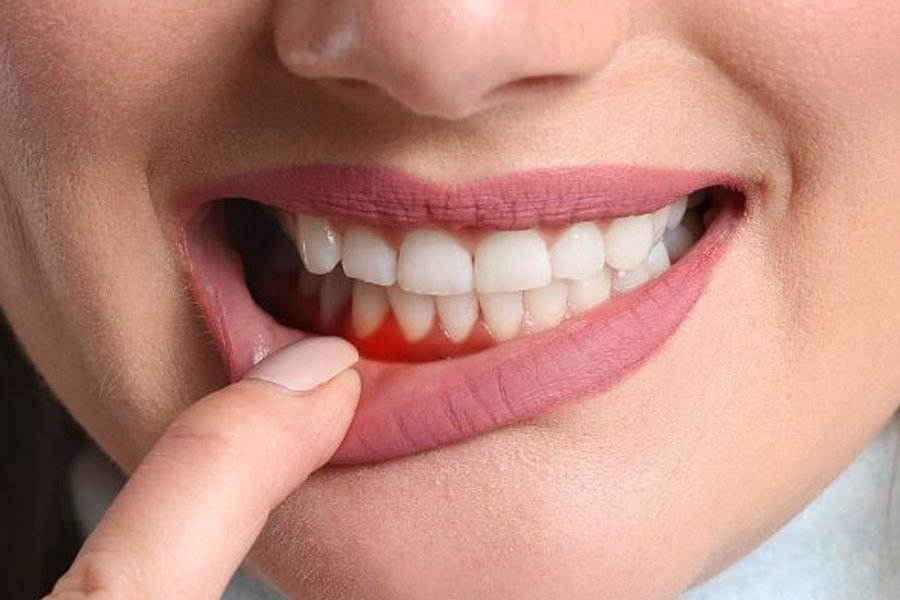
You may already be dealing with sore gums, a loose tooth, or that sinking feeling that one dental problem is turning into three. A lot of people hear “gum specialist” and “implant dentist” and assume they are separate paths, separate costs, and separate decisions. They are closely connected. When gum health and tooth replacement are planned together, including Periodontal Disease Treatment in Woodbridge & Lake Ridge, treatment is often safer, more stable, and easier to maintain over time.
5 Ways Periodontics And Implant Dentistry Work Together comes down to one simple truth. Dental implants need healthy gums and strong bone, and periodontics focuses on protecting both. That means a periodontist and implant dentist often solve the same problem from two sides, saving teeth when possible and replacing them well when needed.
Healthy gums support long term implant success
If your gums bleed when you brush or floss, that is not a small issue to ignore before implant treatment. Gum inflammation can affect healing, increase infection risk, and weaken the tissue that has to support an implant. This is where periodontics and implant care meet in a practical way. The gum condition has to be managed first so the implant has a healthy place to heal.
You see this often after years of delayed cleanings or untreated periodontal disease. A missing tooth may feel like the main problem, but the foundation around that area often needs attention first. Treating gum disease before implant placement lowers the chance of trouble later and helps create a cleaner, more stable environment for the restoration.
Research on periodontal and peri implant health continues to show how closely these tissues are linked. This review on periodontal and peri implant conditions helps explain why controlling inflammation matters before and after implant treatment.
Bone loss changes what an implant dentist can do
When a tooth has been missing for a while, the jawbone in that area often shrinks. Periodontal disease can speed that loss up. You might be told you want an implant, but there is not enough bone to hold it securely. That can feel like a dead end, especially if you expected a quick fix.
It is not a dead end. It usually means treatment needs sequencing. A periodontist can evaluate the bone and soft tissue, then recommend grafting or other site development procedures that make implant placement possible. This is one of the clearest examples of periodontal and implant treatment working as one plan rather than two separate services.
Without that step, an implant may be placed in a poor position, fail to integrate well, or create esthetic problems that are hard to correct later. Bone and tissue support are not side issues. They shape the result from the start.
Soft tissue treatment improves comfort, appearance, and cleaning
People often focus on the implant post and crown, but the gum tissue around an implant matters just as much in day to day life. If the tissue is thin, receded, or uneven, the area may trap plaque, feel tender, or look unnatural when you smile. This matters even more in visible areas like the front teeth.
A periodontist may recommend gum grafting or soft tissue contouring to build stronger, healthier tissue around the implant. That can make brushing easier, reduce irritation, and help the final tooth blend in better. Good implant dentistry is not only about replacing the missing tooth. It is about creating a result you can live with comfortably every day.
This is where implant dentistry and periodontics stop sounding like technical labels and start making sense in real life. One protects the frame, the other restores the tooth.
Periodontal maintenance protects implants after placement
Getting an implant is not the finish line. If you have a history of gum disease, your mouth already showed that it can lose support around teeth when inflammation is left alone. Implants can develop similar problems, including peri implant mucositis and peri implantitis. These conditions can threaten the bone around the implant if they are not caught early.
Regular periodontal maintenance helps spot bleeding, pocketing, plaque buildup, and bite issues before they grow into larger problems. You might feel fine and still have early tissue changes that need care. That is why follow up visits matter. They are not routine in the empty sense of the word. They are how long term implant success is protected.
This clinical review on peri implant disease and maintenance outlines how prevention and ongoing monitoring reduce the risk of complications around implants.
Collaborative planning lowers the risk of costly retreatment
When treatment is fragmented, small problems get missed. One office may focus on replacing the tooth, while another later discovers untreated periodontal pockets, poor tissue thickness, or bite pressure that is overloading the implant. That often means more appointments, more cost, and more frustration.
A coordinated plan between a periodontist and implant dentist helps reduce that risk. The implant position, the gum line, the bone support, and the cleaning access are all considered together. That matters if you want a result that feels solid, looks natural, and holds up over time.
| Approach | What Happens | Likely Outcome |
| Implant placed without periodontal evaluation | Gum disease, bone loss, or thin tissue may be missed | Higher risk of inflammation, poor esthetics, or implant failure |
| Periodontal treatment before implant placement | Inflammation is controlled and support tissues are assessed | Better healing environment and more predictable stability |
| Bone or gum grafting when needed | The site is rebuilt before the implant is placed | Improved support, cleaner implant position, better appearance |
| Ongoing periodontal maintenance after restoration | Regular monitoring and professional cleaning continue | Problems are caught early and implant health is easier to preserve |
Practical steps you can take right away
- Pay attention to gum symptoms before focusing only on the missing tooth. Bleeding, swelling, bad breath, gum recession, and tooth mobility are signs that the foundation needs care. If you ignore them and move straight to replacement, the same disease process may affect the implant site.
- Ask for a full periodontal and implant evaluation. You want to know the condition of the gums, bone levels, tissue thickness, bite forces, and whether grafting is likely. A clear plan upfront usually prevents confusion later.
- Commit to maintenance after treatment. The implant does not get cavities, but the surrounding tissue can still break down. Home care and scheduled periodontal visits are part of protecting your investment and your comfort.
Strong implant results start with periodontal health
If you are feeling stuck between saving a tooth, replacing a tooth, and managing gum problems at the same time, that reaction makes sense. These issues overlap, and the best answers usually come from treating the gums, bone, and implant plan as one picture. That is how periodontics and implant dentistry work together, not as competing services, but as connected parts of lasting care.
When you are ready, schedule an evaluation for gum and implant health so you can get a plan that fits what your mouth actually needs.


