

Key Takeaways
- Miami’s riverfront districts are becoming places for everyday living, not simply places to admire a water view.
- Walkability, public space, culture, wellness, and reliable services are increasingly important to luxury buyers.
- Waterfront ownership requires close attention to flooding, insurance, building operations, and future development.
- The most appealing homes often combine privacy inside the building with activity and convenience outside it.
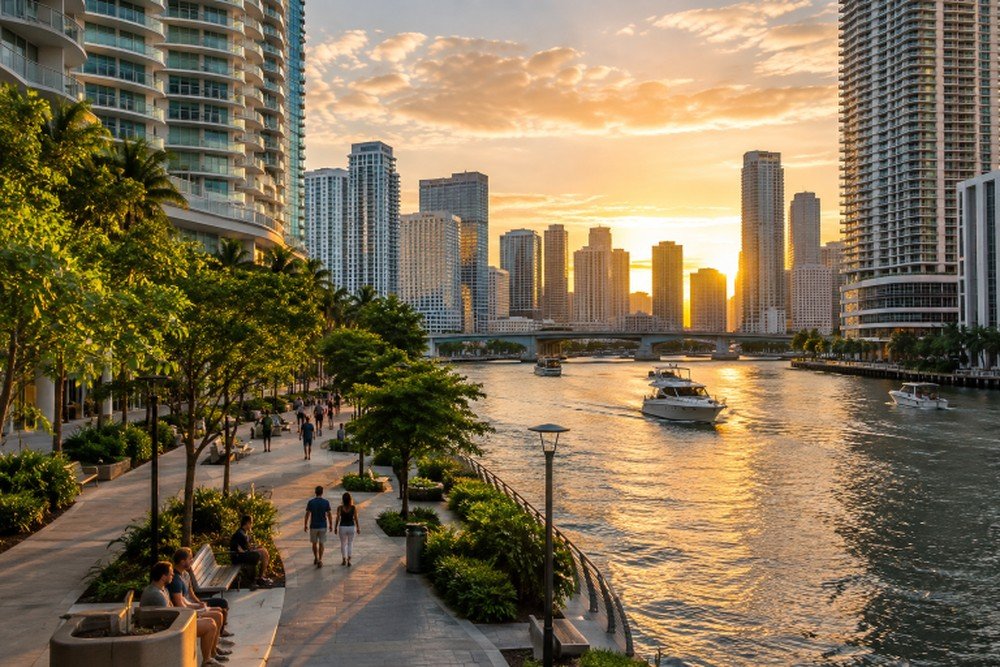
Miami’s waterways have always shaped how the city looks, moves, and grows. In 2026, the Miami River is also helping reshape expectations for luxury living. Buyers are looking beyond a high-floor view toward neighborhoods that make ordinary days easier, with places to walk, gather, exercise, dine, and connect with the city.
For a local example of this design-led approach, Miami FL real estate experts Faena Residences present Faena Residences as a Miami Riverfront residential development centered on art, hospitality-style service, wellness, and cultural experiences. With a sales gallery address in downtown Miami near the river, the brand is relevant to this conversation because its project page reflects how major residential developments are positioning design and community as part of the living experience, rather than treating them as optional extras.
Why Riverfront Living Is Gaining Attention
Riverfront areas sit close to Downtown Miami and Brickell, two districts associated with offices, restaurants, transit connections, and high-density residential growth. That location can appeal to people who want an urban home base without settling for a neighborhood defined solely by commercial towers or nightlife.
The larger shift is from view-driven luxury to experience-driven luxury. A water view remains meaningful, but it is only one part of the decision. Buyers also weigh whether they can comfortably walk outside, find shade in the afternoon, reach daily services, entertain guests, and enjoy the neighborhood without needing to plan every outing around a car.
What Makes a Riverfront Neighborhood Feel Complete?
A finished-feeling waterfront district supports life beyond the front door. It balances private residences with public infrastructure that residents can realistically use throughout the week.
- Safe walking routes and access to the water
- Green space, shade, seating, and places to pause outdoors
- Nearby dining, retail, and cultural activity
- Transportation options and practical access to downtown destinations
- Clean, maintained public areas and clear pedestrian connections
- Flood mitigation, drainage, and storm-preparedness planning
Walkability, Parks, and the Public Realm
A private balcony can provide calm, but it cannot replace a useful public realm. Riverwalks, landscaped paths, kayak access, playgrounds, docks, and waterfront seating create reasons to spend time outside the building. They also give a neighborhood an identity that is more durable than any single amenity package.
The planned improvements at José Martí Park illustrate the connection between recreation and resilience. The City of Miami identifies a new seawall, drainage work, riverwalk improvements, a kayak launch, shoreline stabilization, and expanded landscaping as part of the adaptive redesign. Construction began in September 2026, with Phase I anticipated to be completed in August 2028. That timeline is an important reminder for buyers: distinguish completed public amenities from plans, and assess how construction may affect daily life nearby.
How Culture Is Changing the Meaning of Luxury
Luxury no longer means only a concierge desk, a pool deck, or a private lounge. Many buyers want proximity to restaurants, art, music, design, and small social experiences that make a neighborhood feel alive at all hours and in all seasons. This does not mean every resident wants constant activity. Instead, it means having choices close by while retaining the ability to return to a private home.
Culture can also give new districts a clearer sense of place. Public art, thoughtful landscaping, well-designed gathering spaces, and programming can make a development feel connected to its surroundings. The strongest version of this approach is not a marketing event calendar. It is a neighborhood where design, food, hospitality, and public space work together naturally.
Wellness Is Moving Beyond the Fitness Center
Wellness features now extend beyond a gym with treadmills. Buyers may encounter meditation rooms, spa services, outdoor fitness areas, cold-water therapy, quiet lounges, healthy dining options, and landscaped spaces intended for rest. The useful question is not how many amenities appear in a brochure. It is, “Which features would improve an ordinary Tuesday?”
A practical wellness offering should be easy to use, appropriately maintained, and suited to the resident’s routine. A shaded walking route or a quiet room may deliver more long-term value than a specialized amenity that feels impressive on a tour but rarely fits into daily life.
Architecture, Design, and a Stronger Sense of Place
Landmark architecture can help define an emerging district, but dramatic appearance alone is not enough. Daily comfort depends on details such as natural light, noise control, storage, privacy, elevator access, usable outdoor space, and the ease with which residents move from parking or arrival areas to their homes.
Buyers should also pay attention to the design beyond their unit. Lobbies, landscaping, corridors, retail frontages, and public-facing spaces influence whether a project feels welcoming or disconnected. Good design creates a coherent experience without sacrificing the privacy that many luxury buyers expect.
What Buyers Should Check Before Choosing a Waterfront Home
- Study the exact location. Walk the surrounding blocks and note traffic, construction, transit, lighting, and access to groceries and services.
- Review flood and storm exposure. Ask about drainage, emergency procedures, backup power, storm protection, and building maintenance practices.
- Compare insurance and association costs. Monthly ownership costs can materially affect the long-term value of a home.
- Read occupancy and rental rules. These policies can affect personal use, guest stays, investment plans, and resale appeal.
- Separate finished features from proposals. Confirm approvals, construction status, and expected timelines before valuing future parks, shops, or transit improvements.
- Visit more than once. Morning, evening, and weekend visits can reveal different traffic, activity, and noise patterns.
Riverfront Living Compared With Other Miami Areas
- Miami Riverfront: Often appeals to buyers seeking water access, proximity to downtown, and an evolving mix of residential and public-space improvements. Ask how established the immediate block feels today.
- Brickell: Offers dense urban convenience, major dining options, and transit access. Ask whether traffic, construction, and a faster pace fit your lifestyle.
- Downtown Miami: Provides central access to cultural venues and major development activity. Ask which blocks offer the right balance between energy and quiet.
- Miami Beach: Delivers beach proximity and a hospitality-oriented setting. Ask whether ocean exposure, insurance considerations, and building condition align with your priorities.
- Coral Gables or Coconut Grove: May suit buyers who prioritize tree cover, a more residential rhythm, and lower density over direct access to the urban waterfront.
What Current Development News Signals
Miami’s broader residential market shows that buyers are considering districts that combine homes with restaurants, retail, and design-focused surroundings. Recent residential development in the Design District offers a useful comparison: planned projects there pair housing with hospitality and ground-floor activity, underscoring how lifestyle settings are influencing development beyond the riverfront.
Still, development news should be treated as a starting point, not a guarantee. Plans can change, construction can take years, and a completed building may operate differently from its initial vision. Buyers benefit from evaluating what is open now while considering future projects with appropriate caution.
Common Questions About Miami Riverfront Living
Is riverfront living a good fit for every buyer?
No. It may suit people who value views, walkability, architecture, and urban access. Buyers who prefer larger lots, quieter streets, or a lower-density setting may find a better fit elsewhere.
Are waterfront homes always more valuable?
Not necessarily. Views can support demand, but insurance, maintenance, building age, flood exposure, rental rules, and surrounding construction all influence ownership costs and market appeal.
What is the biggest mistake waterfront buyers make?
Focusing on the view while overlooking the building, the block, and the long-term cost of ownership. A complete decision considers all three.
Conclusion
Miami’s riverfront neighborhoods are becoming more connected, creative, and focused on daily experience. The strongest choices will not be defined by a view alone. They will combine thoughtful design, public access, wellness, culture, resilience, and practical operations. For buyers in 2026, the right riverfront home is often the one that makes ordinary life feel easier while keeping the city close at hand.


