

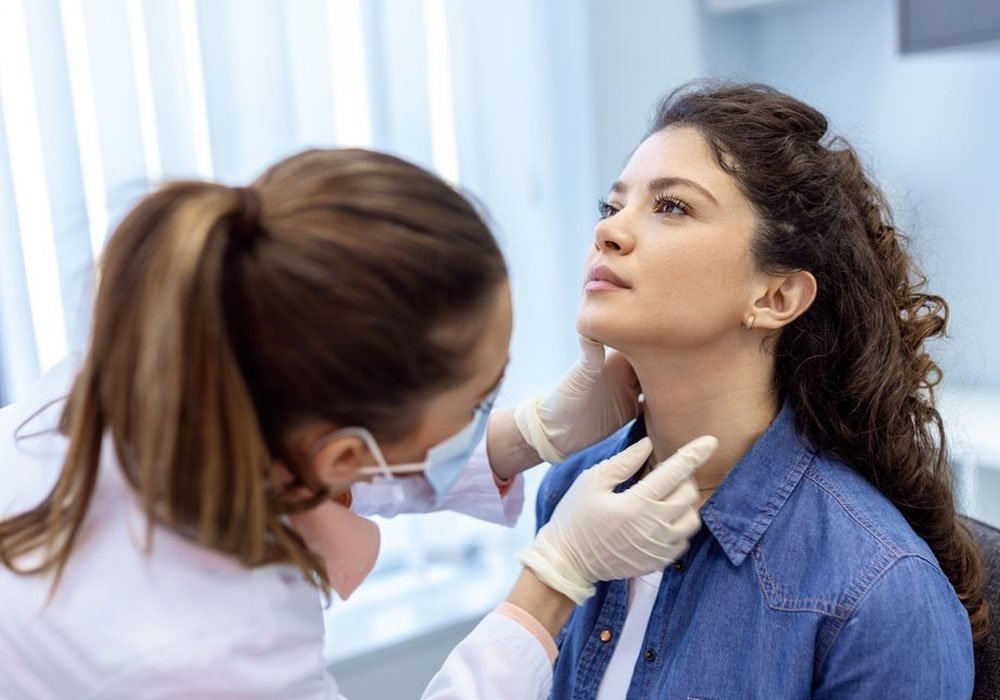
You may be walking into your first visit with a list of worries already running through your head. Will they ask questions you do not know how to answer. Will you forget something important. Will the appointment feel rushed, awkward, or too personal. That tension is common, especially when the visit is tied to Home Health Care and you are trying to understand what support will actually look like in your daily life and how to get help.
A first personal health care visit usually has one clear purpose. It gives the care team a full picture of your health, your routine, your home setup, and the kind of help you need right now. Expect conversation, basic health questions, a review of medications, and a simple discussion about goals and concerns. The visit is not about judging you. It is about building a care plan that fits your life.
Your first home health care visit sets the tone for ongoing support
The first meeting often feels more emotional than people expect. You are not only sharing medical facts. You are also letting someone into parts of your life that may feel private, messy, or hard to explain. If you have been managing pain, fatigue, mobility changes, or recovery after a hospital stay, even small questions can hit a nerve. You may hear yourself thinking, I should have handled this sooner, or I do not want to seem like a burden.
That is exactly why the first visit matters. A good provider needs more than a diagnosis. They need to know what a normal day looks like for you, what tasks have become harder, what support you already have, and where things tend to fall apart. For one person, the main issue may be getting in and out of bed safely. For another, it may be remembering medications or keeping follow up appointments straight. Two people can have the same condition and need very different care.
During a first health care appointment, expect questions about your medical history, recent symptoms, current doctors, prescriptions, allergies, diet, mobility, and any recent hospital or rehab stays. You may also be asked about bathing, dressing, walking, cooking, memory, and fall risks. These questions can feel personal because they are personal. They help shape the level of care that makes sense for you.
If you want a clearer idea of how to get ready, the National Institutes of Health offers practical advice on how to prepare for a medical appointment. Writing things down ahead of time often helps more than people think.
Personal care visits often uncover needs you have been trying to manage alone
People tend to minimize what is happening at home. You may say you are doing fine because you can still get through the day, even if getting through it now takes twice the effort. You may have a family member filling in gaps that are getting harder to ignore. You may be skipping meals because standing in the kitchen hurts, or avoiding showers because you do not feel steady. Those details matter.
This is where what to expect at a personal care visit becomes more than a checklist. The provider is looking for patterns. Are you safe at home. Are medications being taken correctly. Is recovery moving in the right direction. Are there signs that more support is needed before a small problem turns into a crisis.
Many first visits also include education. The nurse, therapist, or care coordinator may explain how often visits may happen, what services are covered, what family members can help with, and when to call for extra support. If you are unsure what role each provider plays, ask. The Agency for Healthcare Research and Quality has a useful guide on how to ask questions and stay engaged in your care. Clear questions lead to better care.
Some visits are simple and routine. Others reveal issues that need quick follow up, such as unsafe walking paths in the home, confusion about medications, or symptoms that have been brushed off for too long. That does not mean the visit went badly. It means the process is doing what it should.
The first personal health care visit works best when you know what information to have ready
Good preparation lowers stress and makes the visit more useful. You do not need perfect paperwork, but a few basics can save time and prevent confusion. If someone is helping manage your care, ask them to sit in if possible. Another set of ears helps, especially when a lot of information comes at once.
| What to Have Ready | Why It Helps |
| Medication list, including vitamins and over the counter items | Reduces dosing errors and helps the provider check for interactions |
| Recent discharge papers or doctor notes | Shows what happened recently and what follow up care is needed |
| Insurance information and contact details for current doctors | Helps coordinate services and avoid delays |
| A short list of symptoms or daily struggles | Keeps the visit focused on the problems affecting your life most |
| Questions about schedules, costs, and care tasks | Gives you a clearer picture of what home care will involve |
If you want a general picture of how first visits are often structured, this overview from University of Utah Health explains what to expect during a first primary care visit. Home based care has its own details, but the same idea applies. The first appointment gathers information, identifies risks, and starts a plan.
Small steps before the visit can make home health care feel less overwhelming
Write down your real concerns. Do not edit them to sound less serious. If you are afraid of falling in the shower, say that. If medication timing is confusing, write it down. If you feel exhausted by basic tasks, put that on the list.
Gather the basics in one place. Keep medications, paperwork, insurance cards, and recent medical notes together. If you use a walker, cane, oxygen, or other equipment, make sure it is visible during the visit so the provider can see how you are using it at home.
Bring in support if you need it. A spouse, adult child, friend, or caregiver can help fill in missing details, take notes, and ask follow up questions. That is not a sign you cannot manage. It is smart care planning.
The first visit does not need to be perfect to be useful. You do not need to have every answer ready, and you do not need to present your life in neat pieces. You only need to be honest about what is hard, what has changed, and what kind of help would make daily life safer and easier. That is how good home health care begins.


