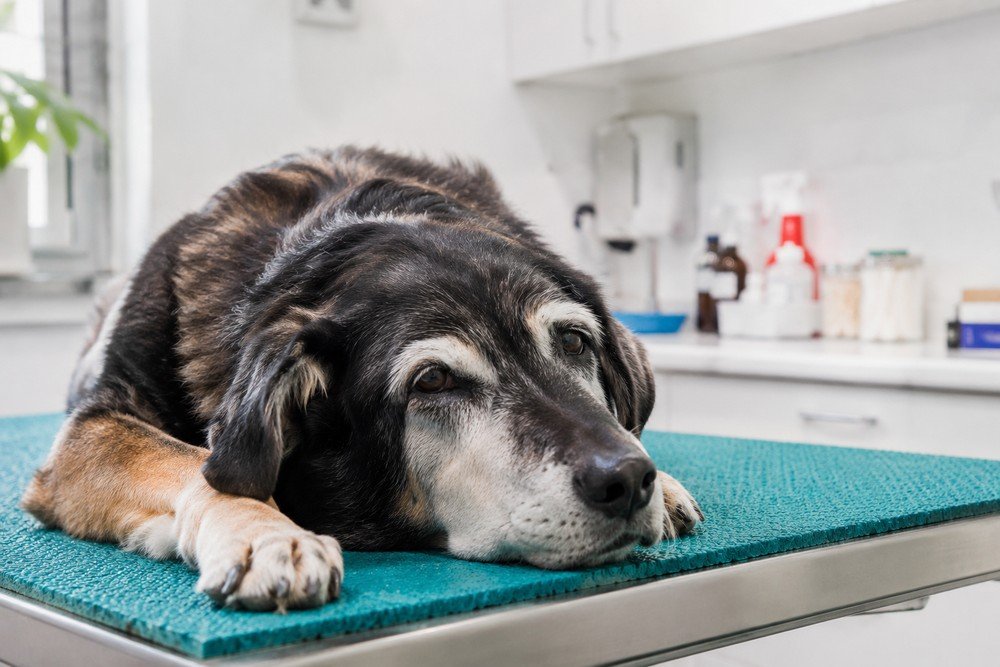
You noticed the small changes first. Your dog hesitates before standing up. Your cat misses the litter box once, then again. Meals take longer. Sleep gets lighter. Nights get louder. Aging in pets can feel gradual until one day it does not, and then you are trying to sort out what is normal, what needs treatment, and how to keep your pet comfortable without turning every day into a medical routine. A trusted veterinarian in Humble, TX can help you understand those changes and support your pet’s comfort.
That is where an animal clinic becomes more than a place for vaccines or emergencies. Good clinics help you track changes, manage pain, catch disease earlier, and adjust care as your pet’s needs shift. How Animal Clinics Provide Support For Senior Pets comes down to steady, practical help. The goal is not to chase youth. It is to protect comfort, function, and dignity for as long as possible.
Senior pet care works best when small changes are taken seriously
Older pets rarely decline in one clean, obvious line. Arthritis can look like stubbornness. Hearing loss can look like ignoring commands. Cognitive decline can look like restlessness, pacing, staring at walls, or waking up confused. Texas A&M recently outlined common signs of dementia in aging dogs and cats, including disorientation, changes in sleep, house soiling, and altered interactions with family. Their guide on recognizing and supporting pets with cognitive decline shows why these signs deserve a medical conversation, not guesswork at home.
The hard part is that many age related problems overlap. A dog that seems anxious at night may have pain, reduced vision, bladder issues, or cognitive dysfunction. A cat that stops grooming may be dealing with arthritis, dental disease, kidney problems, or all three. If you wait for a crisis, treatment usually gets more expensive and your pet has spent more time uncomfortable than necessary.
support for aging pets often starts with better monitoring. Clinics may recommend senior wellness exams every six months instead of once a year, along with bloodwork, urine testing, blood pressure checks, weight tracking, and mobility assessments. Those visits create a baseline. Once your veterinarian knows what is normal for your pet, subtle declines are easier to catch.
Animal clinic services for older pets often focus on comfort as much as cure
Not every condition can be fixed. Many can be managed well. That distinction matters because owners often feel trapped between doing too little and doing too much. A strong care plan usually covers pain control, nutrition, movement, sleep, home safety, and regular rechecks. If your pet has arthritis, that may mean medication, joint support, weight loss, and changes at home like ramps or non slip rugs. If kidney disease is the issue, it may mean diet changes, hydration support, and lab work to monitor progression.
Some clinics also offer end of life support before a pet is actually at the end of life. That can include palliative care, quality of life planning, and guidance when daily living becomes harder. North Carolina State University has highlighted the value of transitional care services for pets with serious illness, which help families manage the space between diagnosis and goodbye. That kind of support eases panic because you are not making every decision alone and under pressure.
This is also where finances become part of the conversation. Senior care can involve recurring costs, and many families are balancing love, limits, and guilt all at once. A good clinic does not shame you for that. It helps you prioritize. If the full wish list is not realistic, your veterinarian can often identify the tests or treatments that will make the biggest difference first.
Veterinary support for older pets is easier to understand when options are compared clearly
| Concern | Waiting and watching at home | Senior pet clinic support |
|---|---|---|
| Arthritis and mobility loss | Pain may be mistaken for slowing down with age, muscle loss can increase, falls become more likely | Pain relief, weight planning, mobility checks, home changes, follow up to see what actually helps |
| Cognitive decline | Night waking, confusion, and accidents may worsen without structure or treatment | Rule out other illness, build routines, discuss medication and behavior support, track progression |
| Kidney disease or diabetes | Increased thirst or weight loss can be missed until the pet becomes weak or dehydrated | Lab testing, diet changes, medication, hydration plans, monitoring that can prevent emergencies |
| Dental pain | Pets often keep eating despite pain, which hides the problem | Oral exams, treatment planning, pain management, better appetite and comfort afterward |
| End of life decisions | Families may wait until suffering is severe because they are unsure what they are seeing | Quality of life guidance, palliative options, clearer decision making, less crisis driven care |
The pattern is simple. Home observation matters, but it is not enough on its own once age related problems start stacking up. senior pet care works best when your daily observations and your clinic’s medical tools support each other.
Three steps help you support your senior pet right away
- Start a simple weekly log. Track appetite, thirst, sleep, accidents, mobility, weight changes, and behavior. One sentence per category is enough. Patterns show up faster on paper than in memory.
- Book routine exams more often. Twice yearly visits are common for older pets because bodies change faster with age. Ask for a clear plan that covers screening, pain checks, and the signs that should trigger an earlier call.
- Ask for a quality of life framework. Do not wait until you are in a crisis. Ask your veterinarian how to judge comfort, function, and enjoyment now, while your head is clear. That conversation can guide treatment choices for months.
Support from an animal clinic can make your pet’s later years gentler
You do not need to solve every part of aging at once. You need a plan that fits your pet, your home, and your limits. The right animal clinic helps you separate normal aging from treatable suffering, respond earlier, and make decisions with less fear. Older pets still seek comfort, routine, food they enjoy, and time close to you. With steady veterinary care, those things can stay within reach longer.
If your pet is slowing down, seeming confused, or just not acting like themselves, schedule a senior wellness visit with an animal clinic and get a clearer picture of what they need now.