Modernizing Industrial Equipment Maintenance: Core Strategies and Frameworks
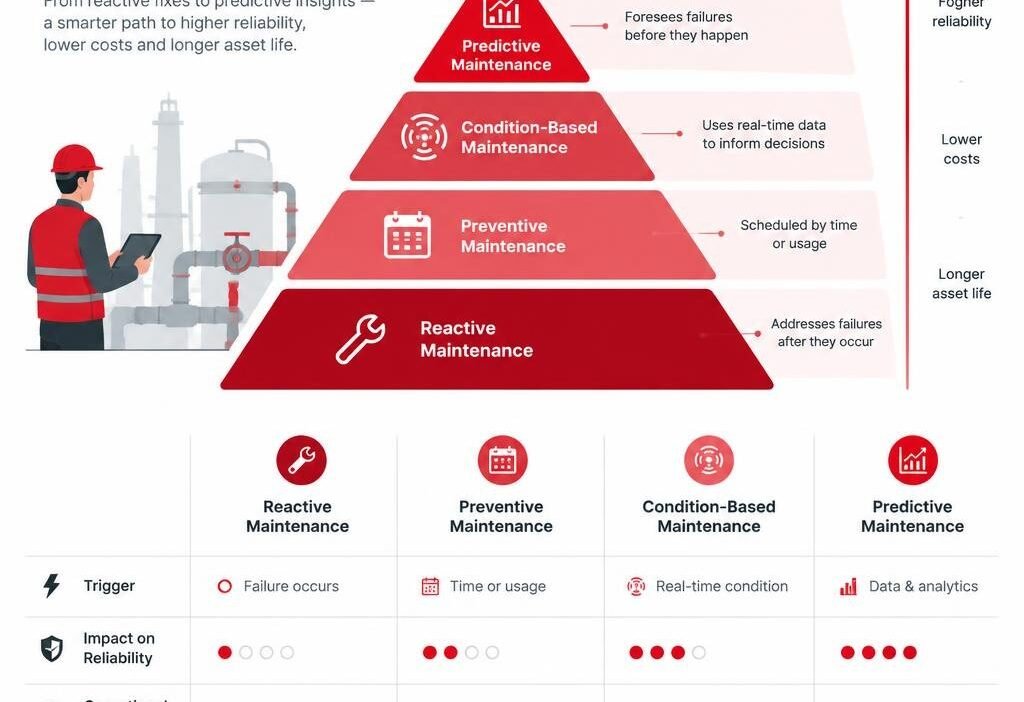
The evolution of industrial equipment maintenance has shifted dramatically from mere repair to sophisticated strategic planning. Today, achieving high maintenance maturity involves understanding and applying a hierarchy of strategies, each with distinct impacts on asset criticality, failure modes, and ultimately, cost reduction. We aim to move beyond reactive fixes towards proactive and predictive interventions that optimize equipment lifespan and operational efficiency.
At the foundation, we have reactive maintenance, which addresses failures only after they occur. While seemingly simple, it is often the most expensive due to unplanned downtime and potential secondary damage. Moving up the hierarchy, preventive maintenance (PM) schedules interventions based on time or usage. Condition-based maintenance (CBM) takes this a step further by using real-time data to inform maintenance decisions. The pinnacle is predictive maintenance (PdM), which leverages advanced analytics to foresee failures before they manifest.
Here’s a comparison of these core maintenance strategies:
Strategy Trigger Impact on Reliability Operational Cost Impact Key Benefit Reactive Equipment failure Low (unpredictable) High (unplanned downtime, emergency repairs) No planning required Preventive Time interval, usage meter Moderate (reduces some failures) Moderate (scheduled downtime, potential over-maintenance) Scheduled interventions Condition-Based Real-time condition monitoring High (data-driven) Lower (optimizes PM intervals) Maintenance only when needed Predictive Anomaly detection, failure prediction Very High (proactive) Lowest (minimizes downtime, extends asset life) Prevents failures before they occur Evaluating Reactive, Preventive, and Condition-Based PM Triggers
Traditional preventive maintenance often relies on calendar triggers—fixed schedules regardless of actual equipment usage or condition. While better than purely reactive approaches, this can lead to over-maintenance waste, where components are replaced prematurely, or under-maintenance, where issues are missed. For example, a piece of heavy-duty particle size reduction equipment might have a recommended service interval, but its actual wear rate could vary significantly based on material processed, load, and environmental factors.
Modern approaches integrate multiple trigger types:
- Calendar Triggers: Still useful for regulatory compliance or tasks with fixed expiry dates (e.g., safety checks, filter replacements).
- Run-Hour Meters: Ideal for components whose wear is directly proportional to operating hours, such as engines or pumps.
- Sensor Thresholds: The most advanced, these triggers activate maintenance based on real-time data exceeding predefined limits. For instance, a sudden spike in temperature or vibration could trigger an immediate inspection.
A unified PM engine, as seen in advanced platforms, can consolidate these triggers into a single record. The first trigger to “fire” generates the work order, ensuring that maintenance is performed precisely when needed. This intelligent scheduling can lead to a significant -12% reduction in PM labor hours by eliminating unnecessary over-PMs, as reported by some industry leaders.
AI-Powered Predictive Failure Detection and Anomaly Monitoring
The true game-changer in industrial equipment maintenance is AI-powered predictive failure detection. By continuously monitoring sensor signals, AI can learn normal operating patterns and flag anomalies weeks before a failure occurs. This capability is not just about identifying a problem but forecasting when it will become critical, allowing ample time for planned intervention.
Key technologies that feed AI predictive models include:
- Vibration Analysis: Detects imbalances, misalignment, bearing wear, and gear faults. AI algorithms can analyze complex vibration signatures to pinpoint specific issues.
- Thermal Imaging: Identifies hotspots indicating overheating components, electrical faults, or lubrication issues.
- Current Draw Analysis: Monitors electrical current patterns to detect motor degradation, load changes, or mechanical binding.
- Acoustic Monitoring: Listens for unusual sounds that signal early stages of wear or damage, often imperceptible to the human ear.
- Ultrasonic Analysis: Detects leaks, electrical arcing, and early bearing wear by picking up high-frequency sounds.
These technologies, combined with IoT sensors, provide a continuous stream of data that AI processes. Predictive AI can flag failures 2 to 3 weeks before they happen, giving maintenance teams a crucial window to schedule repairs, order parts, and prevent costly unplanned downtime. This proactive approach has led to reported -38% reductions in unplanned downtime and 3x faster diagnostics, significantly boosting operational efficiency.
Critical Mechanical Subsystems: Lubrication and Drive Assemblies
While advanced technologies capture the headlines, the fundamentals of mechanical integrity remain paramount. Two areas that consistently contribute to significant downtime and operational costs are bearing health through proper lubrication and the reliability of heavy powertrain reliability and drive assemblies. Neglecting these can lead to catastrophic failures, costly repairs, and extensive production halts.
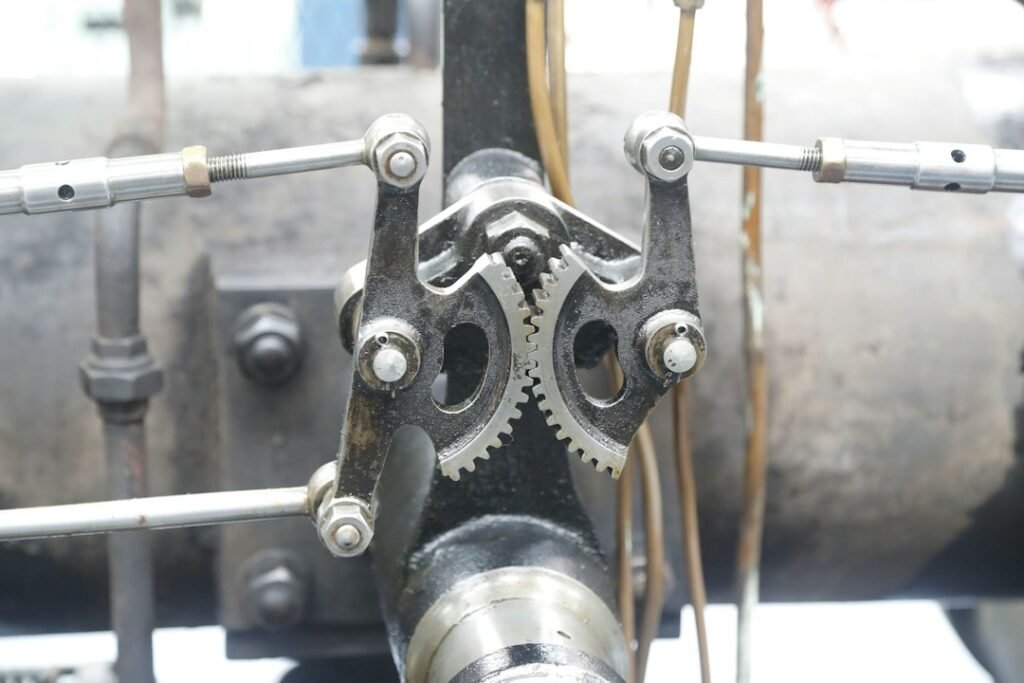
Understanding the intricate interplay of these subsystems is crucial. For instance, an improperly lubricated bearing can generate excessive heat, leading to premature failure, which in turn can impact the performance of connected industrial gearbox repair components or even the entire drive system.
Precision Lubrication and Bearing Life Optimization
Lubrication is often considered a basic maintenance task, yet its impact on equipment reliability is profound. Astonishingly, 50% of bearing failures are caused directly by improper greasing. This isn’t just about applying grease; it’s about applying the right grease, in the right amount, at the right time, and in the right place. The consequences of poor practices are staggering, with an estimated $80 billion lost per year in the US due to bad greasing practices alone.
Best practices for precision lubrication include:
- Automated Lubrication Systems: These systems deliver precise amounts of lubricant at optimal intervals, reducing human error and ensuring consistent application.
- Contamination Control: Protecting lubricants from dirt, water, and other contaminants is vital. Even microscopic particles can significantly reduce bearing life.
- Ultrasonic Monitoring: Technicians can use ultrasonic tools to “listen” to bearings, identifying early signs of inadequate lubrication or excessive friction.
- AI-Powered Grease Guns: Emerging technologies, such as AI-powered grease guns, can log every lubrication event per bearing, providing real-time data on application, ensuring no point is missed, and directly linking greasing to asset performance.
By elevating lubrication from a routine chore to a data-driven process, organizations can drastically improve bearing life and prevent a significant portion of mechanical failures.
Heavy Powertrain Reliability and Heavy Gear Drive Upkeep
Heavy powertrain systems, including industrial gearboxes, are the workhorses of many industrial operations. Their continuous, high-load operation makes them susceptible to wear and tear. Maintaining their reliability is critical, as a failure in these components can bring an entire production line to a standstill.
Key aspects of heavy gear drive upkeep include:
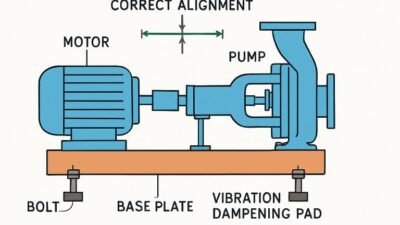
- Gear Misalignment: Even slight misalignment can cause excessive wear, vibration, and premature failure. Regular alignment checks are essential.
- Backlash Inspection: Proper backlash (the clearance between meshing gear teeth) is vital for smooth operation and preventing excessive wear.
- Thermal Signatures: Monitoring the temperature of gearboxes can indicate lubrication issues, excessive friction, or overloading. Thermal imaging is a valuable tool here.
- Oil Analysis: Regular analysis of gearbox oil can reveal wear particles, contamination, and lubricant degradation, providing early warnings of impending issues.
- Vibration Analysis: As with bearings, vibration analysis is crucial for detecting gear tooth wear, pitting, and other internal damage.
When these complex systems require attention, expertise in industrial gearbox repair is indispensable. Specialized services can diagnose issues, perform precision repairs, and ensure components are restored to optimal operating condition, preventing costly replacements and extending the life of critical assets. Proactive maintenance of these systems significantly contributes to overall operational uptime and efficiency.
Digital Ecosystems: Integrating CMMS, IoT Sensors, and Connected Worker Tools
The modern maintenance landscape is defined by connectivity. Fragmented data and siloed systems are giving way to integrated digital ecosystems that centralize information and empower maintenance teams. At the heart of this transformation is the Computerized Maintenance Management System (CMMS), which now acts as a central nervous system, integrating with IoT sensors and connected worker tools to create a unified, intelligent maintenance environment.
A robust CMMS is no longer just a database for work orders; it’s a dynamic platform that manages assets, schedules, inventory, and historical data. When combined with real-time data from IoT sensors, it enables true condition-based and predictive maintenance. This integration means that a sensor detecting an anomaly can automatically trigger a work order in the CMMS, complete with relevant asset history and maintenance procedures.

This connected approach ensures:
- Automated Work Order Intelligence: Work orders are generated based on actual equipment needs, not just arbitrary schedules.
- Comprehensive Asset History: Every repair, inspection, and part replacement is meticulously recorded, providing a rich dataset for analysis and future planning.
- Audit Readiness: Detailed records and compliance evidence packs are readily available, crucial for regulatory requirements and quality standards.
- Real-time Visibility: Dashboards provide instant insights into equipment status, technician activity, and maintenance KPIs.
The goal is to move beyond simply replacing existing systems. Instead, an intelligence layer can seamlessly connect with current CMMS, ERP, and IoT infrastructure, creating a powerful, integrated solution without the need for a complete re-platforming.
Capturing Tribal Knowledge and Empowering Technicians
One of the most significant challenges facing industrial maintenance today is the looming workforce gap. With the average age of a US maintenance technician at 54 years, and an estimated 2.1 million US manufacturing jobs projected unfilled by 2030, there’s an urgent need to capture institutional knowledge and empower the next generation of technicians.
Modern digital tools address this by:
- Digital Checklists and Procedures: Moving away from paper-based manuals, interactive digital checklists ensure consistency and guide technicians through complex tasks.
- AI-Generated Procedures: AI can ingest existing manuals and maintenance history to automatically generate concise, step-by-step procedures, making knowledge more accessible and actionable.
- Voice-Guided AI Assistance: This technology allows technicians to keep their hands on the equipment while accessing schematics, torque specs, and parts lists via voice commands. This hands-free workflow reduces errors, speeds up repairs, and documents work in real-time, effectively embedding expert knowledge into every task. For example, a technician describing a fault can instantly receive the correct torque specification via voice AI.
- Real-time Documentation: Photos, videos, and notes can be captured directly into the CMMS during a task, enriching the asset’s history and preserving valuable insights for future reference.
By transforming tribal knowledge into structured, accessible digital formats, organizations can mitigate the impact of an aging workforce and ensure that critical expertise is retained and passed on. This also helps in standardizing protocol standardization across different sites and teams.
Optimizing Schedules and Quantifying Program ROI
The ultimate measure of a successful maintenance program lies in its quantifiable impact on operations. Modern solutions go beyond simple scheduling to offer sophisticated optimization boards and detailed ROI tracking.
Key performance indicators (KPIs) for measuring success include:
- PM Compliance: The percentage of scheduled preventive maintenance tasks completed on time. Some customers have seen a +27-point PM compliance lift on average in the first 90 days of implementing advanced systems.
- MTBF (Mean Time Between Failures): A measure of how long equipment operates before failing. Increasing MTBF signifies improved reliability.
- MTTR (Mean Time To Repair): The average time it takes to repair a failed piece of equipment. Reducing MTTR indicates faster diagnostics and more efficient repairs.
- Unplanned Downtime Reduction: A direct measure of productivity gains. Some platforms report users experiencing a 40% less unplanned downtime and a -38% reduction in unplanned downtime.
- PM Labor Hour Reduction: By eliminating over-maintenance, organizations can significantly reduce labor costs. A -12% reduction in PM labor hours has been observed by removing unnecessary PMs.
- Maintenance Cost Reduction: Overall savings in parts, labor, and emergency repairs. Some users report a 60% maintenance cost reduction.
Optimization boards, powered by AI, are crucial for this. They highlight assets with excessive or insufficient PMs, allowing reliability engineers to adjust intervals with a single click. This prevents common pitfalls like over-maintenance (wasting resources) and under-maintenance (leading to unexpected failures). By continuously analyzing performance data, these systems ensure that maintenance efforts are precisely aligned with equipment needs, maximizing efficiency and demonstrating clear ROI.
Strategic Implementation and Emerging Reliability Technologies
Implementing advanced maintenance solutions is not merely a technological upgrade; it’s a strategic shift that requires careful planning and execution. Organizations must navigate change management, conduct pilot deployments, ensure seamless data integration, and leverage robust cloud architecture to build a resilient and forward-looking maintenance strategy.
Overcoming Common Roadblocks in Industrial Equipment Maintenance
Despite the clear benefits, implementing a predictive maintenance program or a comprehensive digital ecosystem comes with its challenges:
- Data Silos: Many facilities struggle with disconnected systems (CMMS, ERP, SCADA, spreadsheets), making it difficult to get a unified view of assets. Overcoming this requires robust API integrations and a commitment to a single source of truth for asset data.
- Legacy Hardware: Older equipment may not have the necessary sensors or connectivity for real-time data collection. Retrofitting with IoT sensors can be a cost-effective solution.
- Technician Onboarding: Adopting new technologies requires training and buy-in from technicians. Voice-guided AI and user-friendly interfaces are crucial for smooth adoption.
- Protocol Standardization: Inconsistent maintenance procedures across different shifts or sites can hinder efficiency. Digital checklists and AI-generated procedures help standardize workflows.
- Initial Investment and ROI Justification: The upfront cost of sensors, software, and training can be a hurdle. Focusing on clear KPIs and pilot project successes can demonstrate the long-term ROI.
- Change Management: Resistance to new ways of working is common. Involving technicians in the planning and implementation process can foster a sense of ownership and ease the transition.
By addressing these roadblocks proactively, organizations can pave the way for successful adoption and maximize the benefits of their maintenance investments.
Future Technologies Shaping Industrial Equipment Maintenance
The future of industrial equipment maintenance is rapidly evolving, driven by innovations that promise even greater efficiency and autonomy. Looking towards October 2026 and beyond, several emerging technologies are poised to redefine how we maintain our industrial assets:
- Digital Twins: A digital twin is a virtual replica of a physical asset, system, or process. By continuously receiving real-time data from its physical counterpart, a digital twin can simulate performance, predict failures, and test maintenance scenarios without impacting actual operations. This allows for proactive optimization and highly accurate predictive maintenance.
- Augmented Reality (AR): AR overlays digital information onto the real world, providing technicians with hands-free access to schematics, repair guides, and historical data directly on the equipment they are working on. This reduces diagnostic time, improves repair accuracy, and facilitates on-the-job training.
- Autonomous Robots: Robots are increasingly being deployed for routine inspections in hazardous or hard-to-reach areas. Equipped with cameras, thermal sensors, and acoustic detectors, they can identify anomalies and collect data, freeing human technicians for more complex tasks.
- Automated Drones: For large-scale assets or remote infrastructure, drones can perform visual inspections, thermal scans, and even gas leak detection, covering vast areas quickly and safely.
- Edge Computing: Processing data closer to the source (at the “edge” of the network) reduces latency and bandwidth requirements, enabling faster anomaly detection and real-time decision-making for critical equipment.
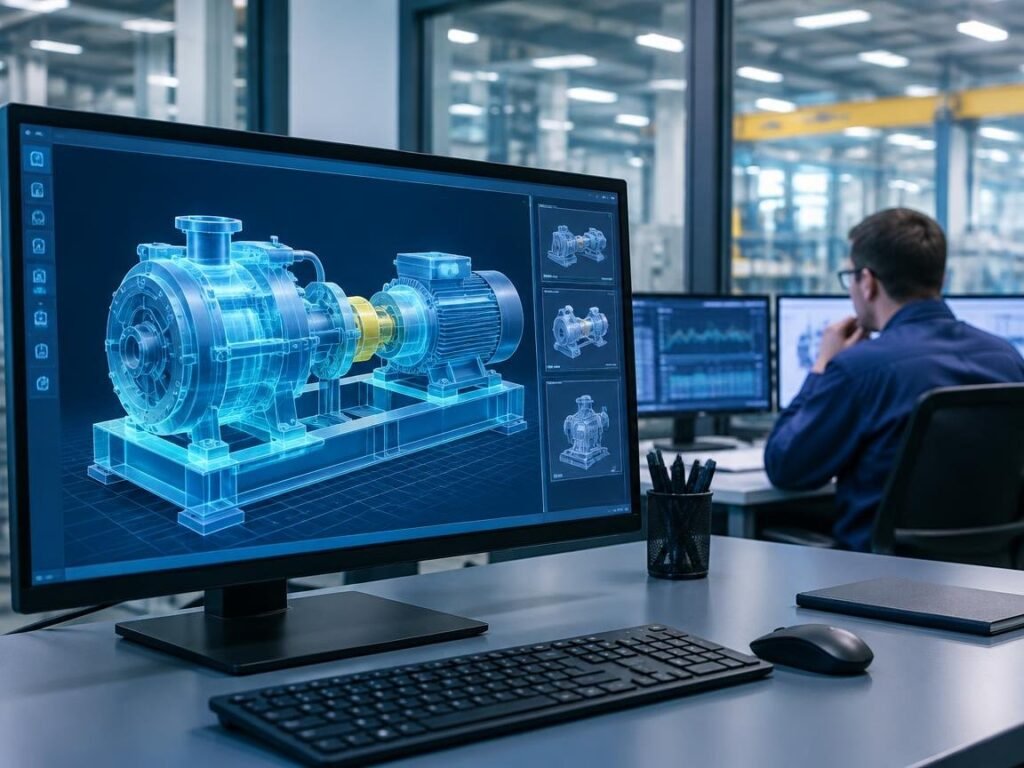
These technologies, combined with advanced AI and IoT, are creating a landscape where maintenance becomes increasingly predictive, automated, and intelligent. The focus shifts from reacting to failures to preventing them, ultimately ensuring continuous operation and maximizing the lifespan of valuable industrial assets.
Frequently Asked Questions About Heavy Equipment Maintenance
How does condition-based maintenance differ from calendar-based maintenance?
Condition-based maintenance (CBM) fundamentally differs from calendar-based maintenance by basing interventions on the actual health and performance of the equipment rather than fixed time intervals. Calendar-based PM schedules tasks purely by date (e.g., “every three months”) or simple runtime meters (e.g., “every 500 hours”), often leading to unnecessary interventions or, conversely, missing issues before they escalate. CBM, however, utilizes real-time data from sensors (e.g., vibration, temperature, current draw) to monitor specific health thresholds and indicators of component wear. Maintenance is then triggered only when these parameters indicate a developing fault or a decline in performance. This data-driven approach optimizes maintenance schedules, reduces over-maintenance, and prevents unexpected failures, leading to significant cost savings and extended asset lifespan.
What key metrics best demonstrate the ROI of predictive maintenance?
Demonstrating the Return on Investment (ROI) of predictive maintenance involves tracking several critical key performance indicators (KPIs). The most impactful include:
- MTBF (Mean Time Between Failures): A higher MTBF indicates improved equipment reliability and fewer unexpected breakdowns.
- MTTR (Mean Time To Repair): A lower MTTR reflects faster diagnostics and more efficient repairs, often due to early failure detection and pre-planned interventions.
- Unplanned Downtime: A direct measure of lost production. A significant reduction in unplanned downtime is a primary driver of ROI, with some solutions reporting a 38% reduction.
- PM Labor Hours: Optimizing PM schedules through predictive insights can lead to substantial reductions in labor, with some organizations seeing a -12% reduction by eliminating unnecessary tasks.
- Scrap Rates/Rework: By preventing catastrophic failures, predictive maintenance reduces the need for costly component replacements and minimizes product spoilage or rework.
- Maintenance Cost Reduction: Overall savings in emergency repairs, overtime, and spare parts inventory. Some users report up to a 60% maintenance cost reduction.
By meticulously tracking these metrics before and after implementing predictive maintenance, organizations can clearly quantify the financial benefits and operational improvements.
How can facilities bridge the institutional knowledge gap in maintenance teams?
Bridging the institutional knowledge gap, especially with an aging workforce, is crucial for long-term operational sustainability. Facilities can address this by:
- Digital SOPs (Standard Operating Procedures) and Checklists: Converting traditional paper-based manuals into interactive, easily accessible digital SOPs ensures consistent execution of tasks and provides a structured learning resource.
- Interactive Checklists: These guide technicians step-by-step, often with embedded images, videos, and real-time data input fields, effectively transferring expert knowledge to less experienced personnel.
- AI-Powered Documentation and Knowledge Bases: Leveraging AI to ingest existing manuals, repair logs, and expert notes can create searchable knowledge bases. AI can then generate concise answers or procedures in response to natural language queries, making “tribal knowledge” instantly accessible.
- Voice Guidance and AR Tools: Technologies like voice-guided AI assist technicians hands-free, providing real-time instructions and access to information while they work. Augmented Reality (AR) can overlay digital instructions onto physical equipment, making complex tasks easier to understand and perform.
- Structured Technician Training Programs: Combining classroom learning with hands-on experience, augmented by digital tools, helps new technicians quickly gain proficiency and confidence.
- Mentorship and Cross-Training Initiatives: Encouraging experienced technicians to mentor newer hires, facilitated by shared digital platforms, helps transfer practical skills and nuanced understanding.
By implementing these strategies, facilities can effectively capture, preserve, and disseminate critical maintenance expertise, ensuring that valuable knowledge is not lost and that future generations of technicians are well-equipped.
Conclusion
The journey towards mastering industrial equipment maintenance is an ongoing evolution, driven by technological innovation and a commitment to operational excellence. We’ve explored the critical shift from reactive fixes to proactive, data-driven strategies that leverage the power of AI, IoT, and integrated digital ecosystems.
Embracing a reliability culture means understanding that maintenance is not a cost center but a strategic investment that directly impacts productivity, safety, and profitability. By adopting proactive inspection techniques, optimizing schedules with intelligent triggers, and empowering technicians with connected tools, organizations can significantly reduce unplanned downtime and extend the lifespan of their assets.
The future of industrial maintenance is one where equipment communicates its needs, where technicians are guided by intelligent assistants, and where every maintenance decision is informed by real-time data. By strategically implementing these best practices and embracing emerging technologies, we can ensure our industrial assets operate at peak performance, driving sustained operational excellence and securing a competitive edge in an increasingly complex manufacturing landscape.