In an age where technology and mass production dominate so much of daily life, there’s something reassuringly timeless about furniture crafted from natural materials. Wood, leather, and other organic substances have been used for centuries to create beautiful, functional pieces that age gracefully and add character to any home. Whether in a vintage Chesterfield armchair, a solid oak dining table, or a sleek contemporary bar stool, natural materials continue to define furniture design across eras and styles.
The Warmth and Character of Wood
Wood has long been the backbone of furniture-making, prized for its durability, versatility, and beauty. From rich mahogany to pale ash, each species offers a distinct grain, tone, and texture. In traditional furniture, solid woods such as oak and walnut remain favourites for dining tables, sideboards, and bookcases, lending a sense of warmth and permanence to a space.
In contemporary interiors, wood is just as essential—though often treated with a lighter touch. Modern designers might pair smooth, minimalist forms with natural finishes that highlight the raw grain of the timber. Scandinavian-inspired oak dining chairs, minimalist walnut coffee tables, or simple pine stools show how wood continues to bring an organic, grounding element to sleek, modern homes.
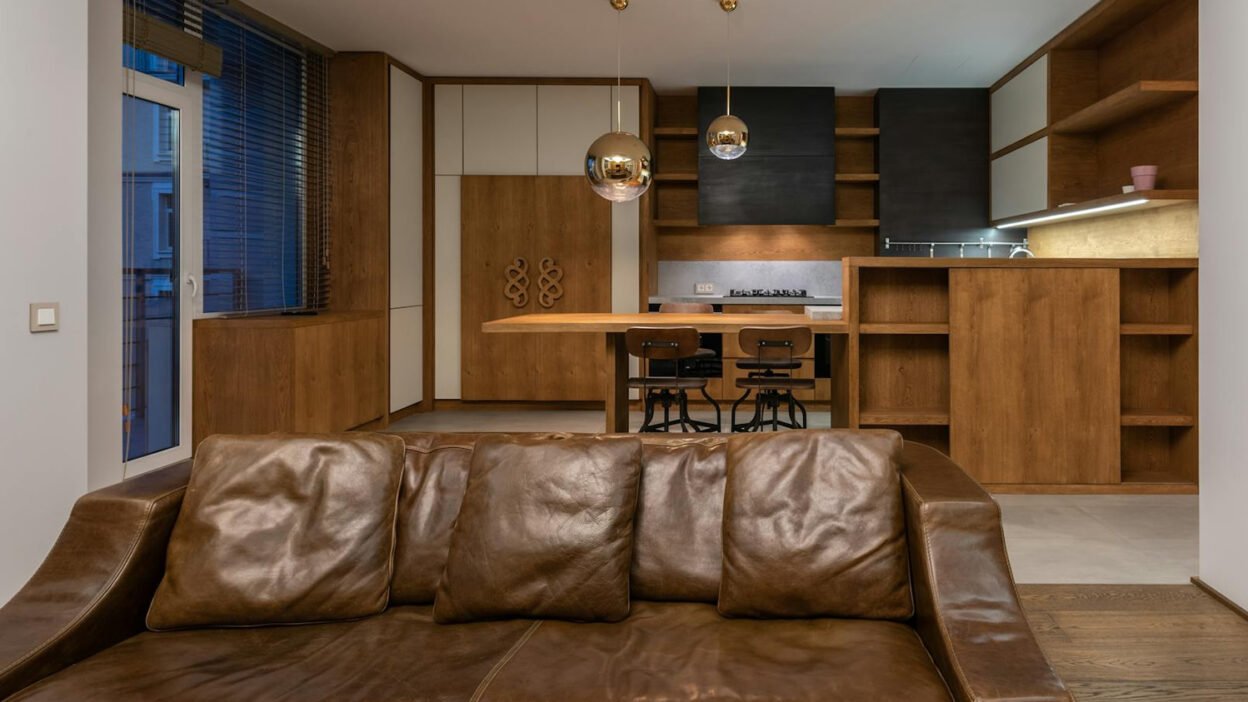
Even in the kitchen, wooden features retain their appeal. Wooden kitchen islands, like those available from the likes of Blackbrook Interiors, are often crafted from oak, beech, or reclaimed timber adds a tactile, inviting quality to the heart of the home. Wooden worktops and shelving also complement both rustic farmhouse kitchens and modern spaces that embrace a balance between nature and function.
Caring for Wooden Furniture
Proper care helps wooden furniture retain its beauty and strength for decades. Regular dusting with a soft, dry cloth prevents dirt from building up, while the occasional use of a slightly damp cloth can remove more stubborn marks—just be sure to dry the surface immediately afterwards. Avoid placing wood furniture in direct sunlight or near heat sources, as this can cause fading, cracking, or warping. Applying a natural wax or oil polish a few times a year will help nourish the timber, enhance its sheen, and protect the surface from moisture and wear. For pieces like dining tables and kitchen islands, using coasters, placemats, and trivets will help prevent stains and heat damage.
The Luxury and Longevity of Leather
Leather is another material that bridges the gap between traditional craftsmanship and modern design. A leather sofa or armchair embodies both comfort and elegance, often becoming softer and more characterful with age. Classic designs such as the buttoned Chesterfield or the mid-century club chair celebrate the natural patina of leather, where every crease tells part of a story.
In contemporary settings, leather’s appeal lies in its versatility. It can be found on bar stools, dining chairs, and footstools, often in sleeker forms and neutral tones such as tan, black, or olive. Beyond its luxurious aesthetic, leather is practical too—resilient, easy to maintain, and suitable for both homes and commercial interiors.
Caring for Leather Furniture
Leather, too, benefits from thoughtful maintenance. Dust or vacuum the surface regularly using a soft brush attachment to remove debris from creases and seams. Wipe with a slightly damp cloth to remove everyday dirt, and follow up with a leather conditioner every few months to keep the material supple and prevent drying or cracking. As with wood, avoid prolonged exposure to direct sunlight or heat sources, which can cause the leather to fade and stiffen. Spills should be blotted—never rubbed—immediately with a clean cloth. With a little attention, leather furniture develops a rich patina over time, growing more beautiful and comfortable with age.
A Blend of Tradition and Innovation
Today’s furniture designers are increasingly blending natural materials with modern production techniques. We see combinations of wood and metal in dining tables, wood and fabric in upholstered armchairs, and leather accents paired with sustainable materials like rattan or bamboo. This merging of old and new not only broadens creative possibilities but also reflects a growing appreciation for sustainability.
Reclaimed and responsibly sourced woods are becoming the material of choice for eco-conscious consumers, while vegetable-tanned leathers and natural finishes replace synthetic alternatives. The result is furniture that looks beautiful, feels authentic, and aligns with modern environmental values.
Everyday Comfort, Naturally
From sofas and armchairs to footstools, bar stools, and dining tables, the use of natural materials brings a tactile richness that synthetic materials rarely match. Even smaller details—like a handwoven rattan seat or a solid wood table leg—can elevate a space and create a sense of craftsmanship and quality.
Wood and leather furniture not only stand the test of time in terms of durability but also in design. They work equally well in vintage-inspired spaces as in contemporary homes, proving that natural materials never truly go out of style.
A Timeless Investment
Whether you’re furnishing a new home or restoring a vintage piece, opting for natural materials is an investment in longevity and beauty. Over time, these materials develop unique character: wood deepens in tone, leather softens, and every mark adds to the story of your furniture.
In an era of throwaway trends, natural materials remind us that quality, craftsmanship, and connection to nature remain at the heart of great design. From the kitchen island to the living room armchair, they continue to bring warmth, comfort, and timeless appeal to the spaces we live in.