Key Takeaways
- Consumers are increasingly skeptical of beauty product claims, especially those that seem too perfect.
- Transparency, scientific validation, and ethical marketing practices are essential to build and maintain trust.
- Brands should prioritize clear communication and avoid exaggerated claims to foster consumer confidence.
Understanding Consumer Skepticism
Today’s beauty shoppers are sophisticated and research-driven, scrutinizing every product and promise before making a purchase. The beauty industry is booming, yet trust has become a rare commodity. Surveys demonstrate that over half of consumers act on influencer recommendations, but only a sliver, 5%, fully trust those opinions. This skepticism extends to all touchpoints, from ingredients to advertising, making it critical for brands to deliver on their promises and be transparent about how claims are formulated and supported. Understanding why skepticism persists is key to bridging the gap between influence and trust, as consumers look beyond glamour and demand proof and honesty from the brands they choose.
The authenticity of product claims is under more scrutiny than ever. Consumers no longer accept vague assurances or dramatic before-and-after photos at face value. For those exploring the real efficacy behind products, consulting sources like consumer-backed claims for complexion products offers a layer of reliability based on tested results rather than marketing hype. Shoppers want to know what works and why; it’s not enough to say a serum hydrates for 48 hours or that a cream erases wrinkles overnight.
The Impact of Exaggerated Claims
It’s tempting for brands to promise transformational results, but overselling undermines long-term trust. Data shows that 79% of beauty shoppers are cautious about sustainability claims, suggesting a widespread assumption that some “green” language is more marketing than reality. This phenomenon isn’t unique to sustainability; any exaggerated or unverifiable claim is bound to raise eyebrows. Word of mouth and social platforms play a dual role by elevating consumer voices and ensuring that misleading promises can quickly damage a brand’s reputation if not substantiated by real results. Honest, humble claims may win a smaller initial audience but are likely to foster greater loyalty and stronger word-of-mouth growth over time.
Beyond individual claims, government regulators such as the Federal Trade Commission are increasing scrutiny over the beauty sector to ensure companies do not use deceptive messaging in their advertising. This regulatory oversight reinforces the need for brands to adopt transparent, evidence-backed messaging as the industry standard. For more context on evolving consumer expectations, recent insights from Vogue’s coverage of clean beauty detail how shoppers analyze ingredient transparency and ethical labeling.
The Role of Transparency
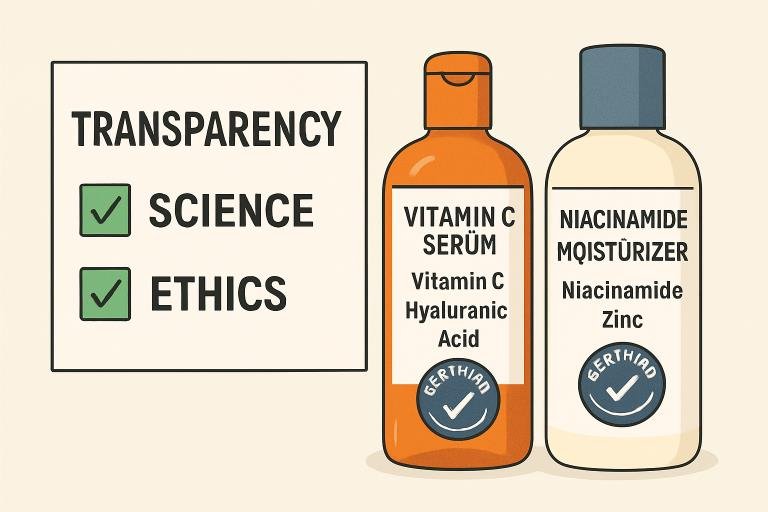
Transparency extends far beyond ingredient labels. Consumers expect insight into product sourcing, manufacturing practices, and even corporate values. According to industry reports, while 74% of users identify organic ingredients as essential in personal care choices, less than 10% trust organic labeling unless it’s third-party verified. This gap allows proactive brands to distinguish themselves with detailed, accessible disclosures about product composition, testing, and origin stories.
Elements of Effective Transparency
- Ingredient Breakdown:Providing clear, plain-language explanations for each ingredient, including sourcing information and purpose.
- Manufacturing Practices:Sharing details on facilities, quality control measures, and ethical standards.
- Traceability:Offering batch numbers or QR codes for consumers to track the product’s journey from source to shelf.
Scientific Validation Matters
Many consumers demand proof of efficacy rooted in scientific research and testing. In fact, 80% of beauty buyers advocate for stricter safety regulations, reflecting a widespread concern for product efficacy and safety. Brands that invest in clinical studies, such as randomized trials or dermatologist-led evaluations, and openly share these findings are rewarded with consumer confidence. Publishing dynamic, peer-reviewed results and encouraging third-party insights, rather than internal-only claims, adds a layer of impartiality that resonates with discerning shoppers.
Leading beauty brands are setting new standards by publishing results and methodologies, sometimes in collaboration with academic researchers or through recognized industry platforms. As demonstrated by industry studies and resources like online guides to decoding skincare labels, transparency in the scientific claims process helps demystify jargon and reduce the skepticism that surrounds beauty marketing.
Ethical Marketing Practices
Genuine marketing is the foundation for sustained brand growth and trust. Ethical approaches mean rejecting manipulation, such as faked reviews or staged testimonials, in favor of real user experiences and moderated feedback. Compliance with new FTC regulations around honest advertising, especially the prohibition of fake reviews, reflects an urgent industry need for integrity. Brands that highlight truthful endorsements, communicate the advantages and realistic limitations of their products, and embrace constructive criticism are well-positioned for longevity amid changing regulations and consumer expectations.
Leveraging Third-Party Certifications
Independent certifications offer much-needed validation in a saturated market. Badges from organizations such as NSF or USDA Organic are not only about visual branding; they also help buyers quickly identify which products meet rigorous ethical and quality standards. Research reveals that 45% of consumers would pay more for products bearing legitimate, third-party-certified organic status, underscoring that transparency can drive both trust and increased value. Displaying certification marks, where applicable, assures skeptical audiences that product claims are not just aspirational but monitored by credible outside entities.
Engaging with Consumers
Trust-building is a two-way process. Open dialogue, from addressing complaints to answering ingredient questions, builds rapport between brands and their communities. Modern shoppers expect to be heard; they value opportunities to provide feedback and engage directly with brands about their preferences or concerns. Participatory strategies, such as soliciting input on new product development or establishing user panels for testing, facilitate a sense of co-ownership and increase loyalty. This ongoing conversation humanizes a brand and demonstrates a willingness to evolve responsively to consumer needs.
Conclusion
The future of the beauty industry belongs to brands that embrace transparency, scientific rigor, and honest storytelling. Clear communication about product development, claim validation, and authentic consumer engagement is crucial to transforming skepticism into lasting trust. In an age where buyers are both critical and empowered, those who earn trust today will remain relevant tomorrow.