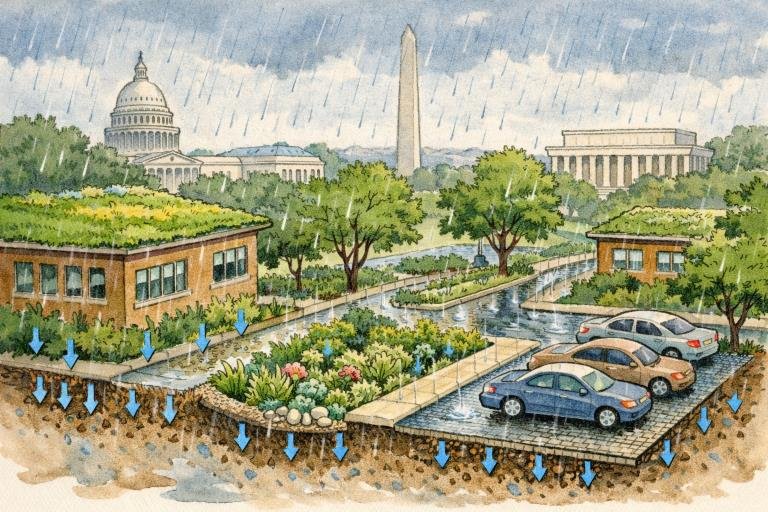
Managing stormwater effectively is vital for protecting Washington, D.C.’s waterways and meeting local environmental requirements. Those planning any significant construction or land disturbance need to understand the regulatory landscape for stormwater management in Washington, DC. Adhering to the right stormwater protocols helps limit runoff damage, safeguard neighborhoods, and protect fragile aquatic habitats. Urban development projects must address stormwater to ensure compliance and contribute to the city’s environmental health.
Whether you are a property developer, business owner, or homeowner considering a project, knowing when and how to implement an SWM Plan is essential. These plans are more than a legal checkbox. They are designed to prevent erosion, minimize flooding, and maintain the quality of D.C.’s rivers and streams for generations to come. Failing to meet requirements can result in delays, fines, and costly redesigns, so a proactive approach is critical.
Understanding Stormwater Management Requirements
In Washington, D.C., stormwater management rules were introduced to reduce the harmful effects of runoff on the city’s water bodies. Major Land Disturbing Activities are defined as any construction or land-disturbing activity affecting 5,000 square feet or more—triggering the need for an SWM Plan under local law. These regulations apply to both new developments and significant renovations, reflecting D.C.’s commitment to improving water quality and reducing pollution entering rivers and streams.
The goal is not only compliance but long-term protection of the Anacostia and Potomac Rivers, as well as the Chesapeake Bay. By focusing on both the construction phase and ongoing maintenance, the city aims to reduce sedimentation, chemical pollutants, and erosion. For more on how municipal regulations set these requirements, see the American Society of Civil Engineers’ policy statement on stormwater management.
Components of a Stormwater Management Plan
Each SWM Plan must be tailored to site-specific conditions and incorporate the following components:
- Site Analysis:A careful assessment of topography, existing structures, vegetation, and soil type to understand how water currently moves through the site.
- Design of Best Management Practices (BMPs):Strategic use of green infrastructure, such as rain gardens, bioswales, permeable pavements, and green roofs, to naturally absorb or filter runoff.
- Erosion and Sediment Control Measures:Detailed steps to curb erosion during and after construction, including the use of silt fences, sediment basins, and stabilization techniques.
- Maintenance Plans:Clearly defined routines and responsibilities for inspecting and maintaining all stormwater control measures, ensuring continued compliance.
Steps to Develop and Submit an SWM Plan
- Pre-Design Consultation:Meet with DOEE to clarify project-specific requirements and expectations in line with current regulations.
- Plan Development:Engage with licensed engineers experienced in local codes to draft a comprehensive SWM Plan tailored to your site’s unique conditions.
- Submission:File the SWM Plan through the DOEE Surface and Groundwater System (SGS) portal and ensure all necessary documentation accompanies the application.
- Review and Approval:Respond promptly to DOEE feedback, address any compliance issues, and obtain final approval to move forward with construction.
Common Challenges and Solutions
Many projects in D.C. face challenges such as high costs or restricted space for installing BMPs. Overcoming these constraints often requires creative solutions:
- Off-Site Mitigation:Utilize the Stormwater Retention Credit (SRC) trading program, which allows developers to meet requirements by implementing BMPs at off-site locations with available space.
- Innovative Design:Maximize efficiency by integrating stormwater features into project landscaping, combining beauty and function through bioretention planters or green roof systems.
Recent Regulatory Updates
On October 31, 2025, the DOEE adopted amendments to the city’s Stormwater Management Regulations, expanding opportunities for flexible compliance and incentivizing sustainable practices. Key updates include streamlined processes for innovative BMPs and enhancements to the SRC trading framework. These changes aim to help both large and small property owners comply while maximizing environmental benefits. The DOEE periodically publishes updates; refer to their official rule and guidebook for ongoing changes to requirements and best practices.
Resources for Compliance
Developers and property owners seeking SWM Plan approval can benefit from a range of official resources. The DOEE site is the primary source for all local guidance, FAQs, and regulatory timelines. Expert technical assistance on watershed protection and green infrastructure alternatives is also available through the DOEE Watershed Protection Technical Services.
Conclusion
Complying with stormwater management regulations in Washington, D.C., is vital for safeguarding the region’s water resources and maintaining legal standing on your projects. With careful planning, thorough documentation, and ongoing maintenance, developers can streamline approval and contribute to sustainable urban growth. Using both public resources and consulting qualified professionals ensures that every major land-use project supports a healthier environment for all D.C. residents.