Small pest signs are easy to ignore. A few droppings in the cupboard, scratching sounds in the ceiling, tiny bite marks on food packaging, or one cockroach near the sink may not seem serious at first. Many property owners assume the problem will settle on its own or that a quick spray will be enough. In reality, early pest activity often points to a bigger issue developing behind walls, under floors, inside roof spaces, or around outdoor entry points.
Pests rarely appear without a reason. They enter properties looking for food, water, shelter, warmth, or nesting areas. Once they find suitable conditions, they can multiply quickly and spread through hidden spaces. This is why early action matters. Calling a professional Pest Exterminator at the first sign of pest activity can help prevent damage, contamination, and costly repairs later.
Ignoring early signs may save time in the short term, but it can create long-term problems for the structure, hygiene, and safety of the property.
Early Pest Signs Often Point to Hidden Activity
The pests you see are often only a small part of the problem. Cockroaches may hide behind appliances, inside cupboards, near drains, or in wall gaps. Rodents may move through roof voids, wall cavities, garages, and subfloor spaces. Termites may feed inside timber frames without leaving obvious surface damage. Ants may follow hidden trails between food sources and nesting areas.
This is why early pest signs should not be dismissed. Droppings, grease marks, unusual smells, gnaw marks, shed skins, mud tubes, damaged timber, or scratching noises can all suggest hidden movement. Even if the sign appears minor, the actual pest activity may already be active in areas that are not easy to inspect.
A professional inspection helps identify where pests are entering, where they are nesting, and how far the problem has spread. Without this step, property owners may only treat the visible pest and miss the main source.
Rodents Can Damage Wiring, Insulation, and Stored Items
Rats and mice can cause serious property damage when they are left untreated. Their teeth continue to grow, so they constantly gnaw on materials to keep them worn down. This chewing behaviour can damage electrical wiring, timber, insulation, plastic pipes, food packaging, furniture, and stored items.
Gnawed wiring is one of the biggest concerns because it can increase the risk of electrical faults. Rodents may also tear insulation to build nests, leave urine and droppings in roof spaces, and contaminate areas where food is stored or prepared.
Early rodent signs may include scratching at night, droppings near walls or cupboards, chewed packaging, musty smells, or small holes around the property. If these signs are ignored, the infestation can grow quickly. Rodents breed fast, and a small issue can become a major problem within a short time.
A trained Pest Exterminator can identify entry points, place control measures correctly, and provide advice on sealing gaps to reduce the chance of rodents returning.
Termites Can Cause Structural Damage Before You Notice Them
Termites are one of the most damaging pests because they often stay hidden until the damage is advanced. They can feed on timber framing, flooring supports, skirting boards, door frames, roof timbers, and other structural areas. In many cases, the surface of the timber may look normal while the inside has been weakened.
Early termite signs may include hollow-sounding timber, bubbling paint, mud tubes, tight-fitting doors, soft skirting boards, or small piles of wings. These signs should never be ignored. Termites can continue feeding for months, and the longer they remain active, the more expensive the repair work may become.
Ignoring possible termite activity can lead to weakened floors, damaged wall frames, and costly timber replacement. Regular termite inspections and early treatment are important for protecting the value and safety of the property.
Cockroaches Can Spread Through Kitchens, Bathrooms, and Wall Gaps
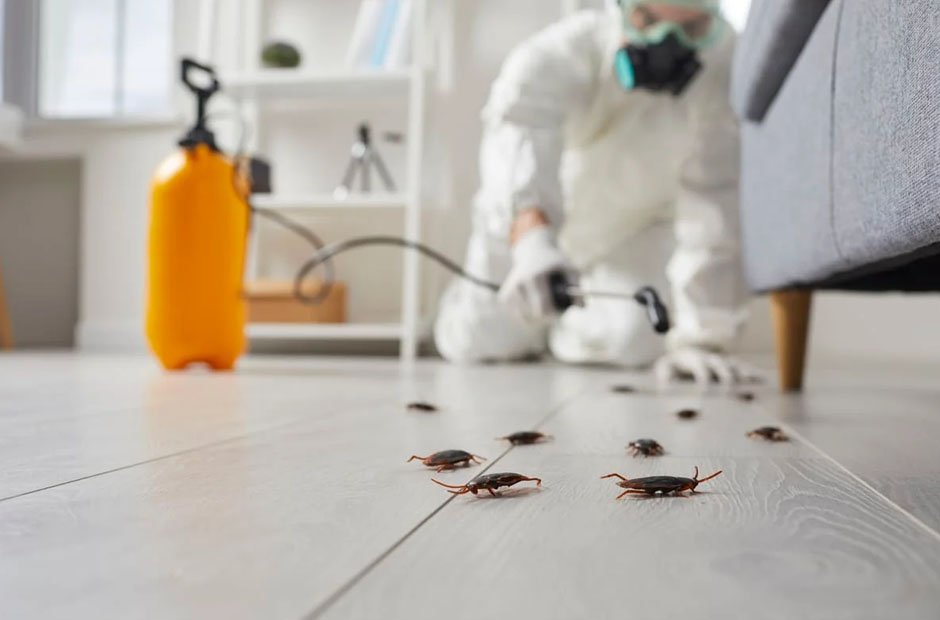
Cockroaches are often linked to hygiene issues, but they are not only a cleanliness problem. They can enter even well-maintained homes and businesses through drains, cracks, deliveries, boxes, and shared wall spaces. Once inside, they hide in warm, dark, and moist areas.
Kitchens, bathrooms, laundries, cupboards, appliances, drains, and wall gaps are common cockroach hiding spots. If early activity is ignored, cockroaches can breed quickly and spread through the property. Egg cases can also make the problem harder to control if treatment is delayed.
Cockroach activity may cause contamination on food surfaces, unpleasant odours, and ongoing stress for occupants. In commercial spaces, especially food businesses, cockroach infestations can also affect reputation and compliance.
Early pest control can stop a small cockroach issue from becoming a larger infestation.
Ants Can Build Larger Colonies Around the Property
Ants may seem harmless compared to rodents or termites, but ignoring them can still create ongoing issues. A few ants near the kitchen, bathroom, or window frame may be part of a larger colony nearby. If they find regular food or water, they can keep returning and expand their activity.
Some ant species nest inside walls, behind tiles, around paving, near garden beds, or under concrete. Over time, they can become difficult to manage with basic sprays because surface treatment does not always reach the colony.
Early ant signs include trails near food areas, small soil piles, repeated activity near windows or doors, and ants appearing after rain. Acting early helps stop the colony from becoming more established.
Spiders and Other Insects Can Signal a Larger Pest Problem
Seeing spiders around a property may also suggest there is an active insect population nearby. Spiders often stay where they can find food, so regular spider activity may indicate flies, moths, mosquitoes, cockroaches, or other insects are present.
Outdoor clutter, overgrown gardens, stored items, sheds, garages, and poorly maintained corners can create suitable hiding places. If these areas are ignored, pest activity can increase around the home and eventually move indoors.
While not all spiders are dangerous, frequent sightings should still be taken seriously, especially in homes with children, pets, or outdoor living spaces. Reducing insect activity and removing harbourage areas can help lower spider numbers.
Moisture Problems Can Make Pest Activity Worse
Moisture is one of the biggest reasons pests remain active around a property. Leaking pipes, blocked gutters, poor drainage, damp subfloors, wet garden beds, and condensation can attract pests such as cockroaches, termites, ants, mosquitoes, and rodents.
When early moisture-related pest signs are ignored, the property becomes more inviting to pests. Damp timber can attract termites. Wet areas under sinks can support cockroach activity. Poor drainage can encourage ants and mosquitoes. Rodents may also look for warm, damp shelter during colder months.
Fixing moisture problems is an important part of long-term pest prevention. Professional pest inspections often identify these risk factors before they lead to major infestations.
Delayed Treatment Can Make Pest Control More Difficult
The longer pests remain active, the harder they can be to remove. A small nest can grow, entry points can multiply, and pests can spread to more areas of the property. DIY treatments may provide short-term relief, but they often fail when the main nest or entry point is hidden.
Delayed treatment can also increase the amount of damage. Rodents may chew through more wiring. Termites may weaken more timber. Cockroaches may spread through more rooms. Ant colonies may become more established.
A professional Pest Exterminator can assess the level of activity and use a treatment plan suited to the specific pest problem. Acting early usually means the treatment is simpler, faster, and less disruptive.
Early Pest Action Helps Protect Property Value
Pest problems can affect property value, especially if damage is found during a building inspection, pre-sale inspection, or rental assessment. Buyers and tenants may become concerned if there are signs of termites, rodents, cockroaches, or long-term pest damage.
Even if the infestation is treated later, visible damage may still need repair. Timber replacement, electrical repairs, insulation removal, cleaning, odour treatment, and sealing work can all add to the cost.
By acting early, property owners can reduce the chance of long-term damage and maintain the property in better condition. Regular inspections, quick treatment, and basic maintenance can protect both the property and the people using it.
Conclusion
Ignoring early pest signs can lead to serious long-term property damage. Small clues such as droppings, scratching sounds, hollow timber, bite marks, odours, or insect activity often point to hidden pest movement. If these signs are left untreated, pests can damage wiring, timber, insulation, food areas, storage spaces, and structural parts of the property.
The safest approach is to act early. A professional Pest Exterminator can identify the pest, locate the source, treat the affected areas, and recommend steps to reduce future infestations. Early pest control is not only about removing pests. It is about protecting the property from avoidable damage, repair costs, and ongoing risk.
FAQs
What are the early signs of a pest problem?
Early signs may include droppings, scratching noises, chewed packaging, hollow-sounding timber, mud tubes, grease marks, unusual smells, insect trails, nests, shed skins, or repeated pest sightings in the same area.
Why should I not ignore one or two pests?
Seeing one or two pests can mean there are more hiding nearby. Many pests stay out of sight and only become visible when the infestation is already growing. Early inspection helps confirm whether the problem is minor or more serious.
Can pests cause structural damage?
Yes, some pests can cause structural damage. Termites can weaken timber frames, flooring, and roof timbers. Rodents can damage wiring, insulation, and stored materials. Moisture-loving pests can also point to hidden water damage.
Are DIY pest treatments enough for early pest signs?
DIY treatments may help with minor surface activity, but they often miss hidden nests, colonies, eggs, and entry points. If pests keep returning, professional pest control is usually a better option.
How quickly can a pest problem get worse?
Some pest problems can grow quickly, especially rodents, cockroaches, and ants. Termite damage may develop quietly over time, but by the time visible signs appear, the damage can already be advanced.
When should I call a pest exterminator?
You should call a pest exterminator when pest signs keep appearing, when you hear noises in walls or ceilings, when timber sounds hollow, when droppings are found, or when DIY treatments do not solve the problem.
How can I reduce the risk of future pest damage?
Keep food sealed, remove clutter, fix leaks, clear gutters, seal gaps, maintain gardens, store timber away from the home, and book regular pest inspections. These steps can reduce pest activity and help protect the property.