Melbourne’s winter rainfall can expose drainage problems that stay hidden during dry weather. A stormwater system may seem fine for most of the year, then struggle as soon as heavy rain arrives. Gutters overflow, outdoor drains fill, water pools around the property, and in some cases, water backs up toward the home.
Many homeowners only think about blocked drains after water appears where it should not. But the real problem often starts inside the pipe long before the rain falls.
Heavy Rain Tests the Whole Drainage System
During light rain, a partly blocked stormwater drain may still cope. Water moves slowly but eventually clears. During heavy winter rainfall, the same restriction can become a serious problem because the system has to move a much larger volume of water quickly.
If leaves, silt, roots, or broken pipe sections are already restricting flow, rainwater can build up fast. The result may be pooling around paths, driveways, garages, gardens, or foundations.
Why Older Melbourne Areas Are Vulnerable
Established suburbs often have older stormwater infrastructure, mature trees, and drainage layouts that may not suit current property use. Extensions, paving, landscaping, and additional roof areas can increase the amount of water entering the system.
A plumber in Essendon or a plumber in Ascot Vale may see winter drainage issues linked to ageing stormwater pipes, blocked grates, root intrusion, and old connections that cannot keep up during heavy rain.
What Happens Inside the Pipe
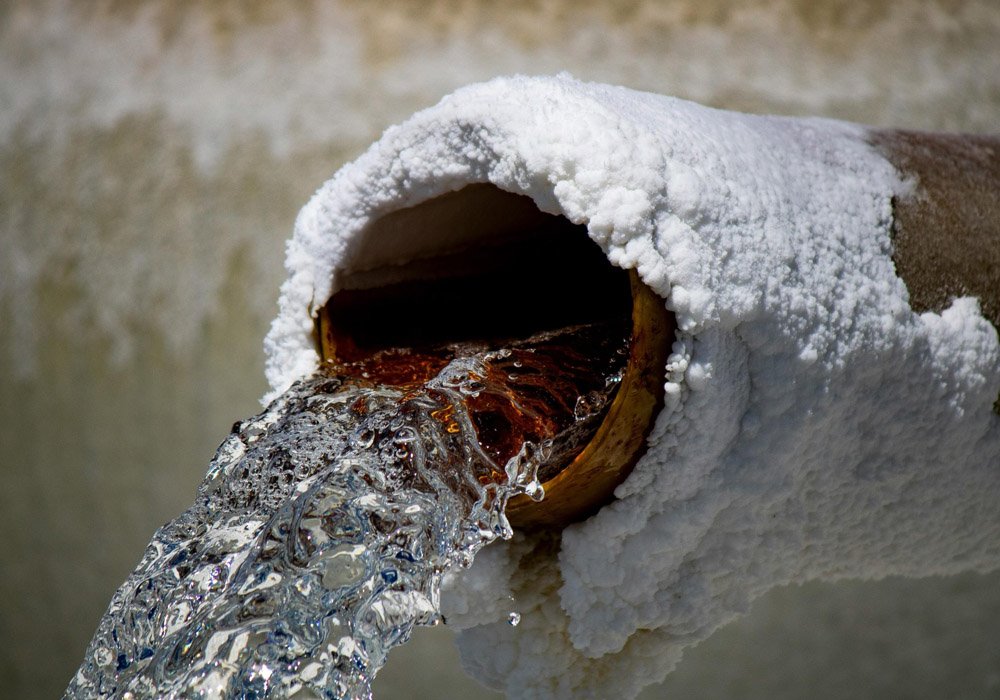
Inside a partially blocked stormwater pipe, debris narrows the path for water. Leaves and silt settle in low points. Tree roots create a net that catches more material. Cracked or collapsed sections slow the flow even further.
When rainfall increases, water cannot pass through quickly enough. It may push back through grates, overflow pits, or move toward low areas of the property.
Stormwater and Sewer Problems Can Feel Similar
Homeowners sometimes confuse stormwater and sewer problems because both can involve blocked drains and overflow. The difference matters. Stormwater carries rainwater. Sewer drains carry wastewater from toilets, sinks, showers, and laundries.
If sewage is involved, the health risk is higher. If stormwater is involved, the concern is usually flooding, property damage, and water pooling near the home. Either way, professional diagnosis is important.
Why Preventative Inspection Helps
Most homeowners wait until winter rainfall reveals the problem. A preventative inspection before the wettest months can identify blocked grates, root-affected pipes, silt buildup, damaged pits, or poor flow.
For Melbourne blocked drains caused by stormwater restrictions, early cleaning and repairs may prevent flooding during heavy rain. A blocked drain plumber can also help determine whether the issue is local or part of a larger drainage fault.
Conclusion
Melbourne’s winter rainfall does not create every drainage problem, but it often reveals the ones already developing inside the pipes. If your property has older stormwater lines, mature trees, or a history of pooling water, do not wait for the next heavy downpour. A preventative drain check can help you stay ahead of winter drainage failures.