The Science of Energy-Efficient Home Comfort in Wet Climates
The Pacific Northwest’s distinct climate, characterized by persistent dampness and fluctuating temperatures, presents unique challenges for maintaining optimal home comfort and efficiency. Unlike drier regions, our HVAC systems here contend with a constant battle against moisture. Understanding the underlying scientific principles at play helps us appreciate why regular maintenance is not just beneficial, but essential.
One of the most significant factors is latent heat. In humid environments, air holds a substantial amount of moisture, and removing this moisture (dehumidification) requires more energy than simply changing the air temperature. HVAC systems must work twice as hard to condense water vapor out of the air, a process that consumes a considerable portion of their energy output. This constant struggle against latent heat contributes to increased run times and higher energy consumption. When systems are forced to work harder to both cool/heat and dehumidify, they experience greater thermal stress. This can lead to short-cycling, where the system turns on and off frequently without completing a full cycle, further reducing efficiency and accelerating wear. The Washington marine climate, with its mild but consistently wet conditions, exacerbates these issues year-round, making every component of your HVAC system susceptible to moisture-related strain.
How High Humidity Impacts Energy-Efficient Home Comfort
The pervasive humidity in the Pacific Northwest directly translates into reduced HVAC efficiency and higher utility bills. From October through May, humidity levels often remain above 75%, forcing heating and cooling systems to operate under strenuous conditions. This persistent dampness can lead to efficiency losses of 15-20% during the wettest months, as the system struggles to perform adequate moisture removal.
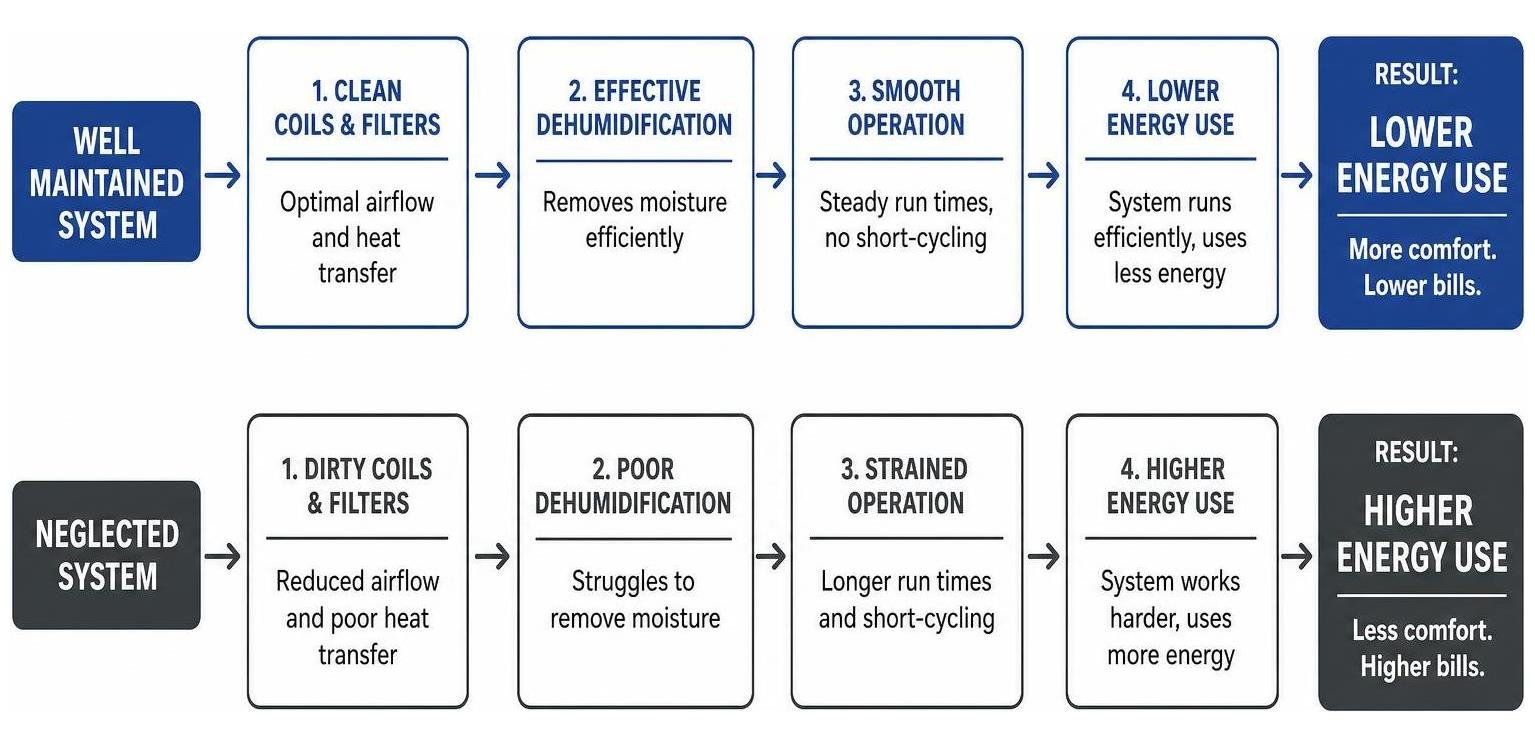
When coils are dirty or components are worn, the system’s ability to extract humidity diminishes significantly. This not only makes your home feel clammy and uncomfortable but also forces the unit to run longer to achieve the desired temperature, consuming more energy in the process. A critical component affected is the blower motor. Neglecting maintenance can increase energy consumption by up to 25% due to blower motor strain, as it works harder to push air through restricted or damp coils.
Regular maintenance ensures that your system can efficiently handle the latent heat load, effectively removing moisture and maintaining comfortable indoor humidity levels. This proactive approach directly translates into tangible savings on your utility bills.
The Role of Heat Pumps in Year-Round Energy-Efficient Home Comfort
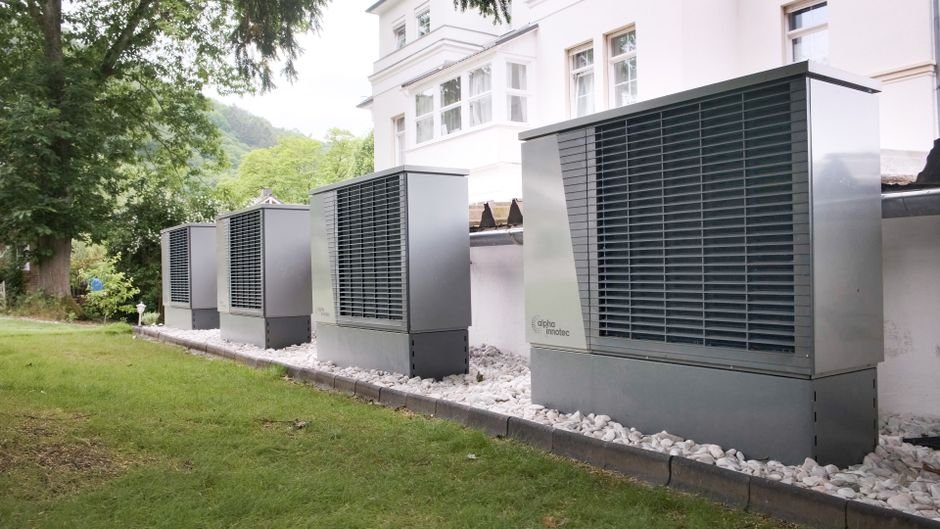
Heat pumps are a popular choice in the Pacific Northwest due to their ability to provide both heating and cooling efficiently. However, this year-round operation also means they are continuously exposed to the region’s challenging climate, making them particularly vulnerable. Unlike traditional furnaces or AC units that might have seasonal breaks, heat pumps in our region often operate without a season off, constantly battling the elements.
In coastal environments, the presence of salt-laced air introduces an additional layer of challenge. Salt particles can accelerate corrosion on outdoor coils up to 10 times faster than in dry inland areas. This rapid corrosion can lead to coil pitting and eventually refrigerant leaks, significantly impacting the system’s efficiency and lifespan. Even subtle refrigerant leaks force the heat pump to work harder, consuming more energy and increasing the risk of a complete system breakdown. Regular professional inspections are crucial to detect and address these issues early, preserving the integrity and performance of your heat pump against the relentless damp and salty air.
Overcoming Pacific Northwest Climate Challenges Through Regular Maintenance
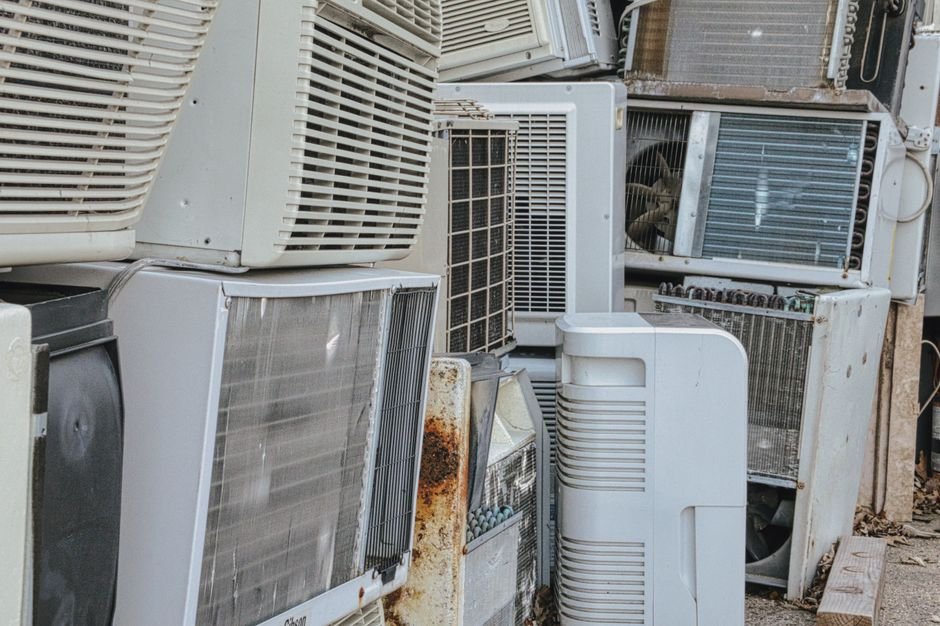
The constant dampness and abundant organic matter in the Pacific Northwest create a perfect storm for HVAC system degradation. Outdoor units are particularly susceptible, often becoming encrusted with organic debris like moss, pine needles, and leaves. This debris, when wet, traps moisture against metal components, accelerating rust and corrosion. It can also restrict airflow, forcing the system to work harder and less efficiently. Furthermore, poor site drainage can lead to standing water around the unit, creating an ideal environment for further corrosion and biological growth. Regular maintenance directly addresses these environmental stressors, safeguarding your system from premature wear and tear.
Extending Equipment Lifespan and Preventing System Failures
One of the most compelling benefits of regular HVAC maintenance in wet climates is the significant extension of your equipment’s lifespan. While the average HVAC system might last 10-15 years, routine care can extend this to 20+ years. This is particularly important in the Pacific Northwest, where systems face continuous strain.
Our region experiences extreme temperature swings, sometimes as much as 30°F in a single day, which causes HVAC systems to cycle frequently between heating and cooling modes. This constant switching and the associated startups place immense component fatigue on motors, compressors, and electrical parts. Without regular check-ups, these stresses accumulate, leading to unexpected failures during critical times—like a sudden summer heatwave or a cold, damp winter snap. Proactive maintenance allows technicians to identify and address minor issues, such as worn belts, loose connections, or refrigerant imbalances, before they escalate into costly repairs or complete system breakdowns. This foresight not only saves you money but also ensures your home remains comfortable when you need it most.
Protecting Indoor Air Quality and Preventing Safety Hazards
The pervasive dampness of the Pacific Northwest creates ideal conditions for the growth of mold and mildew within HVAC systems and ductwork. These airborne contaminants can significantly degrade indoor air quality, leading to respiratory issues, allergies, and an overall unhealthy living environment. Regular maintenance includes cleaning coils, drain pans, and ductwork, effectively removing these biological hazards and preventing their circulation throughout your home.
Beyond biological pollutants, our region also faces seasonal challenges like wildfire smoke. These microscopic particulates can easily bypass standard filters, accumulating within your system and impacting air quality. Maintenance ensures filters are changed frequently and that the system is clean to effectively capture these pollutants.
Crucially, regular HVAC servicing also plays a vital role in preventing serious safety hazards. Gas furnaces, for instance, can develop carbon monoxide leaks if the heat exchanger cracks or the flue is blocked. Technicians are trained to inspect for these dangers, including cracked heat exchangers and potential gas leaks, ensuring your system operates safely. This proactive safety check protects your family from invisible, odorless threats, providing peace of mind alongside improved comfort.
Practical Maintenance Strategies for Washington Homeowners
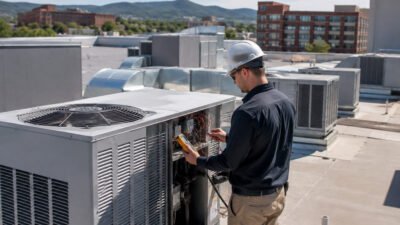
For homeowners in the Pacific Northwest, a strategic approach to HVAC maintenance is paramount. The unique climate of areas like Kitsap County, Pierce County, Mason County, Clallam County, and Jefferson County demands more than just occasional attention. We recommend biannual professional servicing as a cornerstone of your home comfort strategy. These spring and fall tune-ups are timed to prepare your system for the extreme demands of the upcoming seasons. A spring service ensures your AC is ready for summer heatwaves, checking refrigerant levels, cleaning coils, and inspecting electrical components. A fall service prepares your heating system for the long, damp winter, focusing on furnace safety, heat pump efficiency, and overall system integrity.
Investing in these regular check-ups is a smart way to ensure Energy-efficient HVAC comfort year-round. This proactive care can significantly reduce your energy consumption and prevent unexpected breakdowns. For more insights on how consistent care can transform your home’s energy profile, you can explore the comprehensive benefits of regular HVAC maintenance in wet climates.
Essential DIY Tasks to Protect Your System Year-Round
While professional biannual maintenance is non-negotiable, there are several essential DIY tasks you can perform to protect your system and enhance its performance throughout the year.
- Monthly Filter Changes:This is perhaps the simplest yet most impactful task. Dirty filters restrict airflow, reduce efficiency, and strain your system. In areas prone to wildfire smoke, you may need to change filters every three weeks instead of three months.
- Clearing Outdoor Unit:Regularly inspect and clear away leaves, moss, pine needles, and other organic debris from around your outdoor condenser or heat pump unit. Ensure at least two feet of clear space around the unit for optimal airflow. This prevents moisture from being trapped against coils and reduces corrosion.
- Checking Condensate Drains:The condensate drain line removes moisture from your indoor unit. In humid climates, these lines can become clogged with algae and mold, leading to water leaks and potential damage. Regularly inspect the drain pan and line for blockages and clear them as needed.
- Algae Prevention:Consider adding algaecide tablets to your condensate pan to prevent biological growth, especially during humid months.
These simple steps, when performed consistently, can significantly reduce strain on your system and complement professional servicing.
Safeguarding Manufacturer Warranties and Regulatory Compliance
Beyond the immediate benefits of efficiency and comfort, regular HVAC maintenance plays a critical role in safeguarding manufacturer warranties and ensuring regulatory compliance. Most HVAC manufacturers explicitly state in their warranty terms that proof of regular professional maintenance is required to honor claims. Without a documented history of servicing, a costly repair that would otherwise be covered might fall entirely on your shoulders. This makes routine tune-ups not just a good practice, but a financial necessity.
Furthermore, proper HVAC operation often falls under local building codes and safety regulations. Regular inspections by certified technicians ensure that your system adheres to these standards, preventing potential fines or legal issues. For instance, checks for proper ventilation, flue integrity, and electrical connections are part of routine maintenance and contribute to overall home safety. By maintaining your system diligently, you not only protect your investment but also ensure your home meets all necessary safety and operational guidelines.
Frequently Asked Questions About HVAC Maintenance in Wet Climates
How often should homeowners in the Pacific Northwest schedule professional HVAC maintenance?
For homeowners in the Pacific Northwest, we strongly recommend biannual professional HVAC maintenance. This means scheduling service at least twice a year. The optimal seasonal timing is typically in the spring for an AC tune-up (often referred to as spring AC prep) and in the fall for your heating system (or fall heating prep). This schedule ensures your system is thoroughly inspected and prepared for the unique demands of the upcoming season, whether it’s the sudden heat waves of summer or the long, damp cold of winter. This proactive approach helps catch minor issues before they become major problems, optimizing efficiency and preventing unexpected breakdowns.
How does neglecting HVAC maintenance lead to higher repair costs?
Neglecting regular HVAC maintenance is a common pathway to significantly higher repair costs and inconvenient breakdowns. Statistics show that skipped maintenance can lead to four times the cost in repairs compared to the expense of routine servicing. When systems are not regularly checked, small issues—like a worn belt, dirty coils, or low refrigerant—go unnoticed and escalate. For instance, a neglected blower motor strain can lead to increased energy consumption (up to 25% more) and premature motor failure.
Without maintenance, components work harder and wear out faster. This often results in unexpected breakdowns during periods of peak demand, such as a summer heatwave or a winter cold snap. During these times, you might face emergency service delays as technicians are swamped with calls, and emergency repairs typically come with higher labor costs. Proactive maintenance helps identify and fix these potential problems when they are small and inexpensive, preventing costly emergency repairs and ensuring your system runs reliably.
Why are heat pumps particularly vulnerable in damp marine environments?
Heat pumps face unique vulnerabilities in the Pacific Northwest’s damp marine environments primarily due to their continuous operation and constant exposure to the elements. Unlike traditional furnaces or air conditioners that might have distinct off-seasons, heat pumps in our region work year-round, providing both heating and cooling. This relentless usage means their outdoor units are perpetually exposed to high humidity, frequent rain, and in coastal areas, corrosive salt air.
This constant exposure accelerates wear and tear. The salt air corrosion can cause outdoor coils to degrade much faster, leading to efficiency losses and refrigerant leaks. Additionally, in cold, damp conditions, heat pumps undergo frequent defrost cycles to prevent ice buildup on the outdoor coil. While essential, these cycles add defrost cycle strain to the system. The combination of persistent moisture, corrosive elements, and continuous operation makes the heat pump’s outdoor coil exposure a critical factor, demanding more frequent and specialized maintenance to ensure its longevity and efficiency.
Conclusion
In the unique and challenging climate of the Pacific Northwest, regular HVAC maintenance is far more than a suggestion—it’s an imperative for maintaining a comfortable, healthy, and energy-efficient home. We’ve explored how the constant battle against latent heat, the corrosive effects of dampness and salt air, and the strain of fluctuating temperatures all contribute to accelerated wear and tear on your systems.
By embracing proactive care, homeowners can unlock significant long-term savings through reduced energy bills and extended equipment lifespan. Beyond the financial benefits, regular maintenance ensures consistent indoor comfort, safeguards indoor air quality by preventing mold and filtering pollutants, and protects your family from potential safety hazards. It also preserves manufacturer warranties and ensures regulatory compliance.
Don’t wait for a breakdown to realize the value of a well-maintained HVAC system. Investing in regular professional servicing and performing simple DIY tasks throughout the year is the smartest way to protect your home, your health, and your wallet in our distinctive wet climate.