Key Takeaways
- Protecting people at the scene and obtaining medical care come before discussing fault or insurance.
- Photographs, witness information, reports, and treatment records can preserve facts that may otherwise disappear.
- New Jersey uses Personal Injury Protection, often called PIP or no-fault coverage, for certain accident-related medical expenses.
- A well-organized claim file helps document medical treatment, lost income, vehicle costs, and daily limitations.
- Serious injuries, disputed fault, commercial vehicles, and settlement requests often require extra care.
After an accident, the choices made in the first hours and days can affect your health, finances, and ability to pursue a personal injury claim. While resources such as chamlinlaw.com may help people understand their options, the immediate priority should always be safety and appropriate medical care.
This guide focuses on common steps after a New Jersey motor vehicle accident, including evidence preservation, insurance issues, reporting duties, and claim organization. Every accident is different, so this information is general and should not replace advice tailored to your circumstances.
What To Do In The First Few Minutes
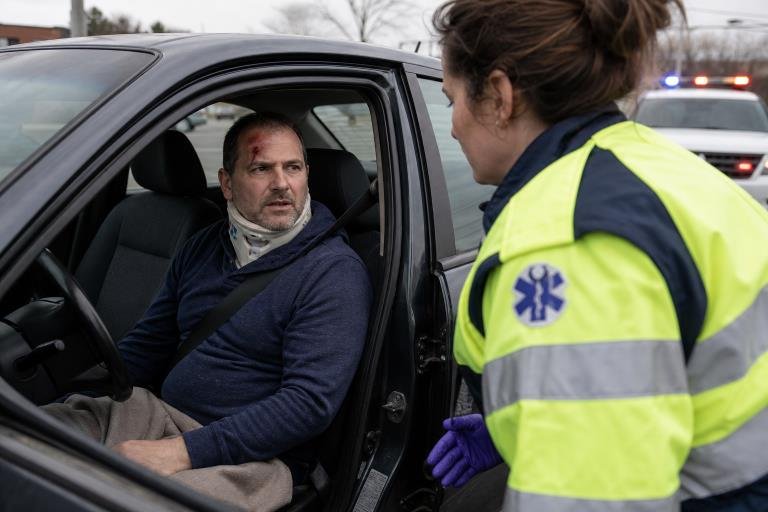
First, check yourself, passengers, and others for injuries. Call 911 when someone needs emergency help, traffic creates a danger, or the collision is serious. If it is safe to do so, move out of active traffic, turn on hazard lights, and wait for help. Exchange names, contact details, driver’s license information, vehicle registration, and insurance information with the other driver.
Keep the conversation calm and factual. Do not argue, accuse anyone, or make guesses about speed, distance, or fault. A crash scene is stressful, and investigators, insurers, and witnesses may later provide details that were not immediately clear.
Why Medical Care Should Come Early
Some injuries are obvious immediately, while others are delayed. Adrenaline can temporarily mask pain, and symptoms involving the neck, back, head, nerves, or soft tissue may become more noticeable over the next day or two. Seek urgent care for severe pain, breathing difficulty, confusion, loss of consciousness, weakness, worsening headaches, or other concerning symptoms.
For less urgent symptoms, arrange a prompt medical evaluation and clearly explain that the symptoms began after a collision. Follow the treatment plan, attend appointments when possible, and ask questions if a referral, test, medication, or work restriction is unclear. Medical records serve a health purpose first, but they can also document the timing and progression of an injury.
How To Gather Useful Evidence
If conditions are safe, take photographs or short videos of the vehicles, damage, road surface, traffic signals, lane markings, weather, lighting, debris, and visible injuries. Note the precise location, date, approximate time, and direction each vehicle was traveling. These details can be difficult to reconstruct later.
Useful Information To Collect
- Names and contact information for drivers, passengers, and independent witnesses.
- License plate numbers, insurance details, and vehicle descriptions.
- Names of responding officers and the incident or report number.
- Photographs of damage from multiple angles before repairs begin.
- Information about nearby cameras, dashcams, or businesses that may have footage.
Act promptly when a video may exist. A nearby business may overwrite surveillance footage quickly, and a witness may become hard to locate after leaving the scene. Write a short account of what happened while your memory is fresh, using facts rather than assumptions.
When To Call The Police And Report The Crash
New Jersey law requires prompt notice to police for a crash involving injury, death, or property damage exceeding $500 to any one person. The state’s accident reporting statute also addresses a written report within 10 days when no police report is filed.
Call law enforcement if another driver refuses to provide information, leaves the scene, appears impaired, or if there is any uncertainty about injuries or damage. Ask how to obtain the crash report, then review it carefully for basic errors such as a wrong vehicle description, date, or location.
How New Jersey Insurance Coverage Works
New Jersey’s auto insurance system can be confusing because medical benefits and fault-based claims are not the same thing. As the state’s insurance requirements explain, PIP can pay covered medical expenses for insured people hurt in an auto accident, regardless of who caused it, subject to policy terms and limits.
Plain-Language Insurance Terms
- PIP:Coverage that may pay qualifying accident-related medical expenses and, depending on the policy, certain additional losses.
- Liability coverage:Coverage that may apply when an insured driver is responsible for harm to another person.
- Uninsured or underinsured motorist coverage:Coverage that may help when the at-fault driver lacks adequate insurance.
- Deductible:The amount a policyholder may be responsible for before certain benefits apply.
Notify the appropriate insurer promptly, provide accurate information, and keep the claim number. Before giving a recorded statement, signing a broad medical release, or accepting a settlement, make sure you understand what the request covers and whether your condition is fully known.
How To Build A Strong Claim File
Create one digital folder and one paper file for accident-related records. Save police reports, insurance correspondence, photographs, repair estimates, towing and rental receipts, medical bills, prescriptions, test results, work restrictions, and proof of missed income.
A simple daily journal can also be valuable. Record pain levels, sleep disruption, medication effects, appointments, missed activities, and problems with work, driving, childcare, or household tasks. Be specific and honest. A concise record is generally more useful than a vague description written weeks later.
Common Mistakes That Can Weaken A Claim
- Waiting too long to seek care for symptoms that need evaluation.
- Posting detailed statements, photos, or injury updates on social media.
- Discarding damaged property before it can be inspected or photographed.
- Failing to save emails, texts, receipts, or communications with insurers.
- Exaggerating symptoms or providing inconsistent accounts of the accident.
- Accepting a fast settlement before medical treatment and future needs are understood.
When Professional Legal Guidance May Help
Not every collision requires legal representation or a lawsuit. However, professional guidance may be particularly useful after a serious injury, fatal crash, disputed liability, multi-vehicle collision, commercial truck accident, uninsured-driver claim, or accident involving a pedestrian, cyclist, child, or motorcyclist.
It may also help to ask questions when medical bills are mounting, work is no longer possible, an insurer seeks a recorded statement, or a release is presented for signature. Clear advice about deadlines, evidence, policy language, and potential liens can help an injured person make informed decisions.
A Simple 24-Hour Checklist
- Make sure everyone is safe and call 911 when needed.
- Exchange required information and identify witnesses.
- Take photographs and preserve potential video evidence.
- Seek medical attention for concerning symptoms.
- Notify the relevant insurance carrier and save the claim number.
- Write down what happened while the details are fresh.
- Start a folder for reports, bills, records, photos, and messages.
- Avoid detailed social media posts and read documents carefully before signing.
Conclusion
A personal injury claim begins with practical steps, not legal arguments. Focus on safety, timely medical care, accurate reporting, preserved evidence, and organized records. Taking a steady, informed approach after an accident can reduce uncertainty and better protect your health and your ability to address accident-related losses.