Key Takeaways
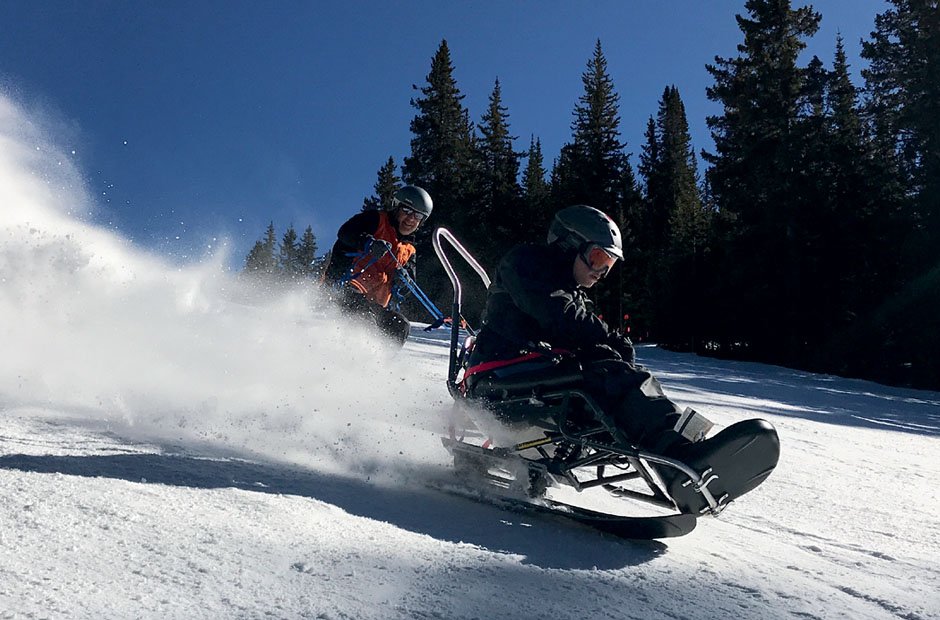
- Adaptive outdoor gear is designed to support and empower individuals with disabilities, enabling full participation in outdoor activities.
- Recent innovations include modified clothing, advanced all-terrain mobility devices, and technological solutions for enhanced safety.
- Collaboration between organizations, outdoor brands, and the public sector is creating more accessible outdoor spaces nationwide.
Spending time outdoors brings adventure, challenge, and rejuvenation. Yet for many people with disabilities, the quest to find equipment that fits their specific needs creates barriers that can dull the thrill of exploration. The landscape is changing rapidly as innovative designs, inclusive initiatives, and technology merge to equalize access to nature. Discovering the best backpack for rucking or other adaptive gear options has never been easier, as the outdoor industry pivots to support everyone’s right to explore.
Adaptive outdoor gear serves a transformative purpose: it makes outdoor fun and adventure accessible to all, regardless of mobility challenges or unique requirements. Increased awareness, active advocacy, and technical advancements are resulting in outdoor programs, activities, and retail options that reflect a deep commitment to inclusivity. This momentum means individuals with disabilities can no longer be sidelined—they can participate equally and experience the great outdoors with confidence.
Whether embarking on a solitary mountain trek, joining a group kayaking trip, or setting out on a family camping trip, accessible products can reshape these adventures. Custom apparatus, smart devices, and universal design principles increase independence and enjoyment. Organizations, outdoor manufacturers, and local government entities are championing adaptive initiatives across national parks and wilderness areas. With accessible equipment and passionate communities, outdoor spaces are quickly becoming more inviting and accommodating than ever before.
For those who want even greater versatility in their expeditions, investing in a MOLLE assault pack can provide extra adaptability for a wide range of outdoor pursuits and environments.
Innovations in Adaptive Outdoor Gear
Product innovation is central to making adventures accessible, as demonstrated by companies like Berghaus. Their Berghaus Adapts program allows for personalized alterations of clothing and gear for disabled explorers, enhancing dexterity, comfort, and fit. In the mobility sector, all-terrain wheelchairs and adaptive mountain bikes from brands like GRIT and Bowhead enable navigation of challenging environments through features like shock absorption and customizable seating. This growth in adaptive outdoor gear marks a cultural shift towards greater accessibility within the industry.
Inclusive Initiatives in National Parks
National efforts to expand outdoor access for people with disabilities are rapidly gaining momentum. The National Park Service and leading nonprofits actively collaborate to bring adaptive activities to iconic locations. Great Smoky Mountains National Park stands out for its vibrant program offering adapted hiking, biking, and kayaking, allowing visitors to use specialized devices for free. These opportunities are driven by community partnerships and grant programs that prioritize inclusion and engagement.
Across the United States, parks are removing historical barriers by adding accessible trails, tactile maps, and adaptive rental programs. By doing so, these public spaces are fulfilling their mission to inspire all Americans through shared wilderness experiences. Robust staff training and continual investment in adaptive technologies further raise the bar for inclusive recreation.
Smart Technology Integration
As digital capabilities advance, smart technology significantly benefits users of adaptive gear in outdoor activities. Wearables like GPS-enabled watches and health trackers enhance safety and connectivity, while real-time monitoring assists with hydration and temperature regulation. IoT devices, such as walking poles and tents, adapt to user needs and changing weather, enabling longer, safer trips regardless of physical ability. This data-driven innovation is poised to enhance accessibility and autonomy in the outdoor gear landscape.
Customization and Inclusive Design
Customization is the cornerstone of effective adaptive gear. Brands are now co-designing products with community members to ensure functional, real-world usability. JanSport’s Adaptive Collection, for example, integrates feedback from wheelchair users to deliver backpacks with tailored features, such as adjustable straps and single-handed openers. Inclusive design acknowledges the diversity of disabilities and reframes gear development as rooted in collaboration, empathy, and ingenuity.
Universal design principles benefit everyone. Gear that is easier to use, lighter to carry, or more intuitive makes outdoor time more enjoyable for all. Rethinking closures, fasteners, texture variations, and pack structure allows individuals with a range of abilities to participate in outdoor adventures, reinforcing the belief that the wilds belong to everyone.
Conclusion
The outdoor industry’s evolution toward inclusivity is reshaping what it means to explore nature. Through a commitment to innovation, smart technology, and design partnerships, brands and organizations are addressing traditional access gaps. Adaptive programs and gear make it possible for people with disabilities to approach every trip into the wild with confidence, knowing the right resources are finally within reach. With continued support and focus on accessibility, everyone can enjoy a richer, safer, and more inspiring connection to the natural world.