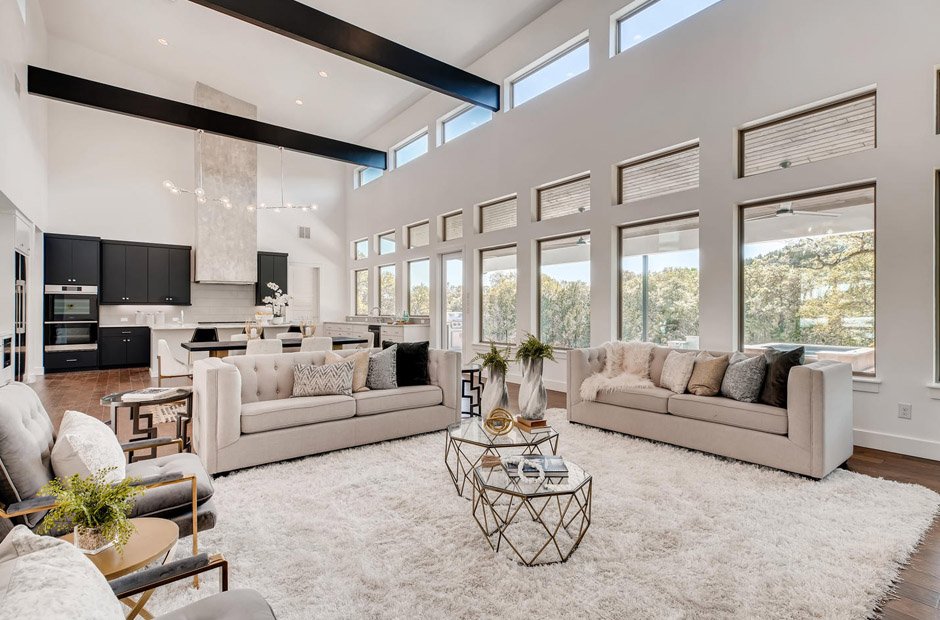
Designing a home today goes beyond simply providing shelter; it’s about creating a space that reflects your lifestyle, values, and personal taste. Contemporary living emphasizes open layouts, functional spaces, and thoughtful integration of natural light and technology, offering both comfort and efficiency. Homeowners increasingly seek residences that balance aesthetic appeal with practical living, resulting in designs that are as versatile as they are visually engaging. From flexible workspaces to sustainable features, each detail contributes to a home that feels both modern and timeless.
Crafting such personalized spaces often involves collaboration with a home builder, who can translate individual visions into reality while navigating the technical and structural complexities of construction. By working closely with professionals, homeowners can ensure that every aspect, from floor plans to finishing touches, is tailored to their specific needs. This approach allows for homes that are not only stylish but also functional, adaptable, and designed to support contemporary lifestyles.
Why Choose a Custom Home?
Choosing a custom home offers a unique opportunity to create a living space that truly reflects your personality, lifestyle, and priorities. Unlike pre-designed homes, custom residences allow for flexible layouts, personalized finishes, and the integration of modern amenities that suit daily life. This approach ensures that each room serves a specific purpose while maintaining aesthetic harmony and functionality. Collaborating with a building contractor can help translate these ideas into a practical, structurally sound design, guiding decisions on materials, timelines, and construction techniques. Ultimately, opting for a custom home empowers homeowners to craft a space that aligns with both current needs and future aspirations, resulting in a residence that is both comfortable and uniquely their own.
Key Features of Modern Custom Homes
Modern custom homes blend thoughtful design with efficiency. There are several features that help differentiate these houses from typical builds:
- Open Floor Plans:Blurring the lines between living, dining, and kitchen spaces, these layouts encourage connection and make homes feel more expansive.
- Natural Light:Generous windows, sliding doors, and skylights help minimize reliance on artificial lighting and create welcoming interiors.
- Minimalist Aesthetics:Simplicity in design with clean lines and uncluttered spaces enhances tranquility and order.
- Integration with Nature:Indoor gardens, covered patios, or glass doors can marry the interior with the outdoors, making nature part of daily living.
Each of these design choices contributes to a home that is both beautiful and highly practical, fostering a sense of calm while making everyday tasks easier.
Designing for Multi-Generational Living
More families are sharing homes across generations, whether caring for aging parents, hosting adult children, or planning for long-term flexibility. Custom homes can support these arrangements with solutions such as secondary suites, private bathrooms, or bonus kitchens for independent living. Separate entrances or dedicated quiet zones allow people to enjoy togetherness while maintaining privacy when needed.
According to the Pew Research Center, multigenerational homes are beneficial for shared expenses and emotional support. A well-designed custom house can make this transition smoother and more comfortable for everyone involved.
Sustainability and Energy Efficiency
Environmental responsibility is now a core consideration in homebuilding. Modern custom homes frequently incorporate recycled or renewable materials, smart insulation, and high-performance windows. Installing energy-efficient appliances and solar panels can substantially cut energy bills and reduce the home’s carbon footprint. Builders are adopting green methods and technologies to meet homeowners’ growing demand for eco-friendly living.
Many homebuyers also opt for water-saving fixtures, native landscaping, and upcycled decor, making sustainability a holistic practice throughout the property.
The Role of Technology in Custom Homes
The latest smart home innovations are now an integral part of custom home design. Automated lighting and climate controls make it easy to manage comfort and efficiency. Security features like smart doorbells and surveillance cameras increase peace of mind. Remote access to entertainment systems, thermostats, and alarm controls extends convenience beyond the front door. Integrating technology from the ground up ensures that it supports your lifestyle rather than feeling like an afterthought.
Navigating the Custom Home Building Process
- Defining Your Vision:Start by jotting down your must-haves, deal-breakers, and the budget for your dream home.
- Assembling a Team:Seek out qualified architects, reputable builders, and experienced designers who understand your goals.
- Design and Planning:Collaborate closely with your team to refine the plans, secure permits, and select quality materials.
- Construction:Monitoring progress and maintaining regular communication with the crew ensures quality and keeps the timeline on track.
- Final Touches:Complete your project with thoughtful landscaping and personalized interior details to make the house uniquely yours.
Each phase requires strong communication and oversight to make sure your vision comes to life as planned. Working with dedicated professionals significantly reduces stress and the risk of setbacks.
Conclusion
Building a custom home offers unmatched personalization, greater day-to-day comfort, and better alignment with evolving family needs. Homeowners can create a one-of-a-kind living space that incorporates sustainable design and the latest technology, making the house a true reflection of their identity. Careful planning and the right professional support are essential to unlock the full potential of custom homebuilding and set the stage for years of enjoyment and utility.