Key Takeaways
- Dental implants provide a permanent, natural-looking solution but require a higher upfront investment and surgical placement.
- Dental bridges and dentures are budget-friendly alternatives but may need more frequent service or replacement over time.
- Your jawbone health, lifestyle, and financial considerations are all important factors in determining the ideal replacement method.
Understanding the full spectrum of tooth replacement solutions is essential for restoring your dental health and confidence. With various options available, such as bridges, dentures, and dental implants, evaluating the benefits and trade-offs of each method empowers you to select the right fit for your needs and lifestyle. Some patients with severe bone loss may also be candidates for specialized implant solutions, such as zygomatic implants, which expand the range of options for restoring a natural smile.
Choosing a tooth replacement method affects not only your appearance but also your diet, oral comfort, and long-term dental well-being. Every individual’s health, jawbone condition, preferences, and budget will influence this decision. Comprehensive knowledge of how dental implants, bridges, and dentures function helps ensure your journey to tooth replacement begins with insight and confidence.
While weighing your options, speaking with your dental care provider can help you clarify which treatments are suitable given your oral health status. Factors like healing time, maintenance needs, overall costs, and how natural the result feels all play key roles in your satisfaction with the outcome.
Understanding Dental Implants
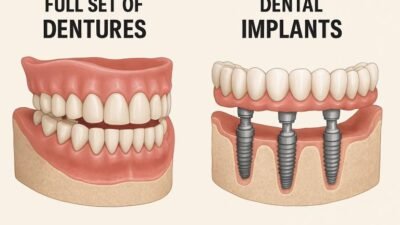
Dental implants serve as artificial roots, placed directly into the jawbone, to anchor one or more prosthetic teeth. Typically crafted from biocompatible titanium, these implants fuse with the bone, ensuring excellent stability and strength. Compared to older methods, implants closely mimic the look, function, and feel of natural teeth, making them a leading choice for those seeking long-term tooth replacement.
Pros of Dental Implants
- Longevity:When properly cared for, dental implants can often last for several decades, and sometimes for life.
- Bone Health:Implants stimulate the jawbone, which preserves bone volume and helps maintain your facial structure.
- Aesthetic Appeal:Modern implants are crafted to match the color, shape, and size of your surrounding teeth, creating a seamless, natural smile.
Cons of Dental Implants
- Price:The typical cost for one implant ranges from $3,000 to $6,000, which can be significant for those without dental insurance.
- Surgical Risks:Placement involves a surgical procedure and a healing period, and all surgeries carry a risk of complications.
- Suitability:Sufficient bone density is essential. Patients who have experienced significant bone resorption may require additional grafting or specialized techniques.
Exploring Dental Bridges
Dental bridges present a reliable, fixed method for replacing missing teeth. Spanning the gap left by one or several absent teeth, bridges are cemented onto adjacent natural teeth or supported by implants. The result is a functional and visually consistent dental restoration that does not require removal for cleaning.
Pros of Dental Bridges
- No Surgery Needed:The placement of a bridge is comparatively less invasive, making it appropriate for those avoiding surgery.
- Quick Solution:Bridge procedures are often completed within two to three dental visits, streamlining the pathway to a restored smile.
- Lower Cost:Bridges usually cost less than implants, typically ranging from $2,000 to $5,000, depending on the type and number of teeth involved.
Cons of Dental Bridges
- Effect on Adjacent Teeth:The healthy teeth adjacent to the gap are often filed down to support the bridge, potentially weakening them over time.
- Replacement Cycle:Bridges tend to last between 5 and 15 years before requiring replacement or maintenance.
- No Bone Stimulation:Since bridges rest only on the gums and adjacent teeth, they do not support jawbone health in the same way implants do.
Considering Dentures
Dentures are custom-made, removable appliances designed for those missing several teeth or an entire arch. Available in partial or full sets, dentures can restore function and appearance, particularly for patients who may not be candidates for invasive procedures or who seek affordable care.
Pros of Dentures
- Cost Savings:Dentures remain the most affordable option for tooth replacement, with a full set usually costing between $1,000 and $3,000 per arch.
- No Surgery:Fitting dentures does not involve any surgical procedure, making them accessible to a broad patient demographic.
- Adaptability:Dentures can be tailored for those who have advanced bone loss or sensitive gums.
Cons of Dentures
- Potential Movement:Removable dentures may slip while eating or speaking, affecting daily comfort and confidence.
- Maintenance:Regular cleaning and occasional adjustments or relining are necessary to ensure ongoing comfort and hygiene.
- Jaw Changes:Because dentures do not stimulate the jawbone, bone resorption over time may alter the fit and facial structure.
Factors to Consider When Choosing a Tooth Replacement Option
- Oral Condition:Assess your gum health and the condition of any remaining teeth, as these factors will help determine which restorative solution is best.
- Jawbone Health:If you are considering implants, ensure your jaw can support them without additional procedures.
- Financial Commitment:Consider upfront costs and the lifetime value of each method, including future maintenance or replacement costs.
- Lifestyle Preferences:Consider how each option will affect your eating habits, daily care routines, and overall quality of life.
Final Thoughts
Making the right choice for tooth replacement is a personal decision that a dental professional should always guide. By thoroughly comparing dental implants, bridges, and dentures, considering their unique benefits and potential limitations, you can confidently choose a solution that aligns with your oral health goals, lifestyle, and financial plan.