Key Takeaways
- Eco-friendly flooring materials combine sustainability, beauty, and resilience for the modern home.
- Practical options such as bamboo, reclaimed wood, cork, recycled materials, and natural stone offer diverse aesthetic and functional benefits.
- Sustainable flooring helps preserve resources, supports healthier indoor environments, and can reflect your personal style.
With environmental responsibility becoming a guiding principle for modern homeowners, sustainable flooring solutions have taken center stage in today’s design trends. More than ever, people are seeking flooring choices that are eco-friendly, long-lasting, and distinctive, elevating the value they add to both the home and the planet. When evaluating your options, consider working with flooring specialists who can guide you toward truly green decisions, such as the experts at Silver State Flooring.
Adopting eco-friendly flooring does more than lower your carbon footprint. Thoughtful selections can boost your home’s air quality, enhance comfort, and create beautiful, distinctive interiors, demonstrating that style and sustainability can go hand in hand. Navigating the choices can be overwhelming, but with the growing availability of green materials, finding the right fit for your space has never been more attainable.
Bamboo Flooring: A Rapidly Renewable Resource
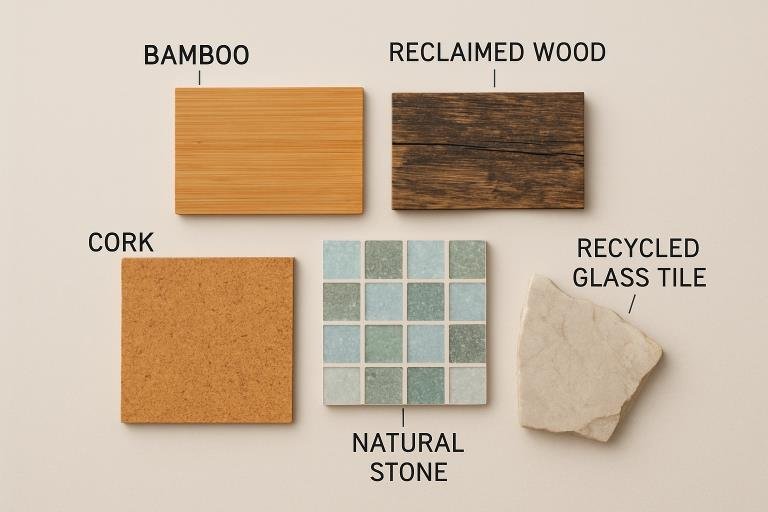
Renowned for its fast growth and low environmental impact, bamboo is quickly climbing the ranks as an eco-conscious flooring material. Unlike traditional hardwoods, bamboo is a grass that matures in a fraction of the time, taking as little as five years to reach full harvest height. This rapid renewability makes it an excellent alternative to slower-growing wood species. Strand-woven bamboo floors are engineered for enhanced hardness, offering impressive resistance to scratches and dents and making them a reliable choice for hallways and busy living areas.
Reclaimed Wood: Adding Character and History
Choosing reclaimed wood flooring is not just an environmentally sound decision, but also a way to introduce a sense of story and character into your home. Salvaged from historic barns, factories, or warehouses, reclaimed planks flaunt natural age marks, weathered textures, and patinas that enhance the unique character of your space. By reusing existing timber, you’re reducing the demand for newly felled trees and contributing to waste reduction. For more on the benefits of reclaimed wood, see this guide from Architectural Digest.
Cork Flooring: Comfort and Sustainability
Cork stands out as a comfortable, environmentally conscious flooring solution. Harvested from the bark of the cork oak, this process allows the tree to continue thriving and replenishing its bark. As a result, cork is both renewable and biodegradable. It’s especially prized for its soft, cushioned feel underfoot and its natural insulating qualities, keeping spaces warmer in winter and cooler in summer. Cork’s antimicrobial and hypoallergenic properties make it a wise choice for nurseries, bedrooms, and family rooms.
Recycled Materials: Innovative and Eco-Friendly
Some of the most innovative sustainable flooring options come from recycled materials, think repurposed glass, rubber, and metal. Recycled glass tiles shimmer with unique patterns and colors, suitable for modern bathrooms and kitchen backsplashes. Meanwhile, recycled rubber floors, made from post-consumer tires, offer resilience, traction, and shock absorption. These solutions keep substantial waste out of landfills and meet performance standards for areas like home gyms or playrooms. For broader inspiration, see HGTV’s resources on eco-friendly renovations.
Linoleum: A Natural and Biodegradable Option
Made mainly from linseed oil, wood flour, and jute, linoleum is a far cry from the synthetic flooring materials that dominated the mid-20th century. This all-natural option is biodegradable and non-toxic, emitting only negligible levels of volatile organic compounds (VOCs) so indoor air stays fresher and healthier. Modern linoleum now offers a spectrum of colors and decorative patterns, all while requiring minimal cleaning or upkeep, making it a pragmatic choice for high-use areas like kitchens and bathrooms.
Natural Stone: Timeless and Durable
Natural stone flooring, such as slate, travertine, or limestone, has a classic, enduring beauty. Its impressive durability means you’re unlikely ever to replace it, which minimizes overall environmental impact, even though the material itself isn’t rapidly renewable. Consider sourcing stone locally to reduce transport-related emissions. Stone is also easily recyclable at the end of its lifespan, contributing to a lower-waste renovation process overall.
Choosing the Right Sustainable Flooring for Your Home
Finding your ideal eco-friendly flooring solution requires balancing several factors. Assess the room’s function, expected foot traffic, humidity levels, and your family’s sensitivities to allergens or chemicals. Beyond these practicalities, your flooring choice should reflect your style, whether you’re drawn to the warmth of wood, the sleekness of glass, or the comfort of cork. Consult with local professionals and research certifications like the Forest Stewardship Council (FSC) or GREENGUARD to ensure your material choices genuinely support sustainability.
Embracing sustainable flooring means investing in a home that’s beautiful, healthy, and future-ready. New eco-conscious materials and responsible manufacturing processes have made it accessible for everyone to create living spaces that respect the earth while delivering style and functionality for years to come.