Living in tropical Australia offers incredible lifestyle benefits, but it also means dealing with intense heat and high humidity for a significant portion of the year. From the muggy wet season in Far North Queensland to the blistering build-up in the Northern Territory, maintaining a comfortable home requires more than just leaving the ceiling fan on high. Historically, Australian tropical architecture relied heavily on elevated designs and wraparound verandas to capture breezes. Today, modern homeowners have access to advanced materials and technologies that take climate control to the next level. Instead of letting your energy bills skyrocket as you try to cool a poorly designed house, property owners can invest in strategic home upgrades tailored specifically for hot and humid climates. These targeted improvements not only keep your living spaces consistently cool but also protect your property from the harsh environmental conditions of the tropics. Implementing these upgrades early in the year will ensure you are fully prepared before the extreme weather arrives.
Optimising Your Cooling Systems
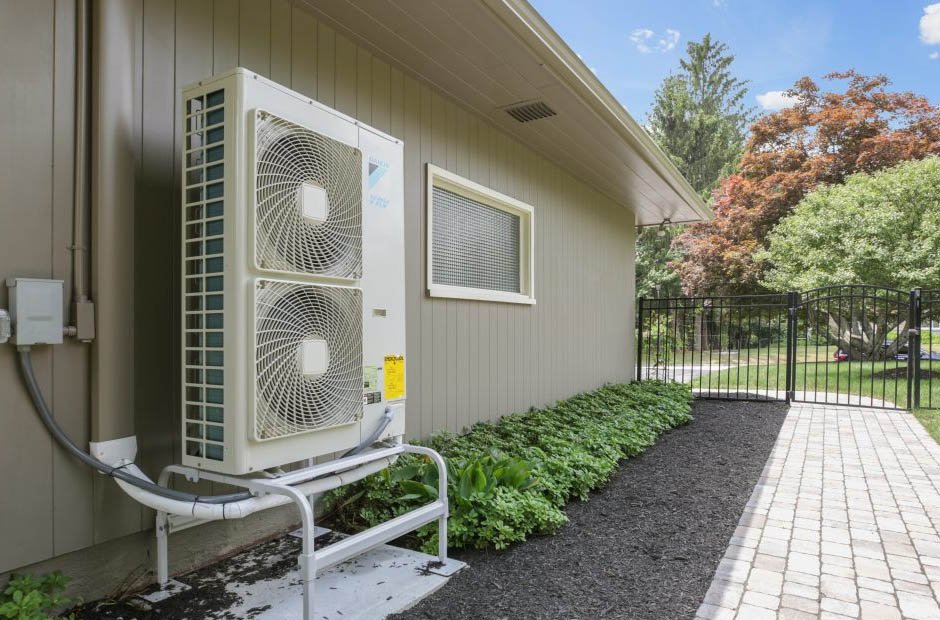
Your primary line of defence against extreme tropical weather is a well-maintained and efficient climate control system. While passive cooling methods are excellent for reducing overall heat loads, a reliable mechanical cooling system is absolutely essential during the peak of summer when the air is thick with moisture. Older air conditioning units often struggle to process high humidity, leading to excessive power consumption, poor air quality, and inadequate cooling throughout the home. It is vital to ensure your systems are serviced regularly before the wet season hits. For example, staying on top of air conditioning repairs in Darwin helps prevent catastrophic breakdowns during the hottest months, ensuring your system runs efficiently when you need it most. Furthermore, upgrading to a modern, energy-efficient inverter model can drastically cut running costs while managing indoor moisture levels much more effectively. Connecting these modern systems to smart home thermostats allows you to cool the house gradually before you return home from work, completely eliminating the need to blast the unit at full capacity upon your arrival.
Implementing Smart Shading and Roofing
Stopping heat before it even enters your home is one of the most effective ways to lower indoor temperatures and reduce the strain on your appliances. Traditional dark roofs absorb massive amounts of solar radiation, which then radiates down into your living spaces and turns your home into an oven. Upgrading to a light-coloured cool roof or applying specialised reflective roof coatings can make a world of difference in regulating the internal temperature of the property.
This proactive approach to exterior heat management is strongly recommended by national experts. According to Australian government energy guidelines, applying heat mitigation strategies like cool roofs and increased shading can significantly reduce local overheating and potentially decrease total household electricity demand over the summer period. Beyond the roof itself, planting large canopy trees to shade western-facing walls and installing external louvres or shade sails can effectively block direct sunlight. These exterior additions prevent the sun from heating up your windows and brickwork while still allowing natural breezes to flow freely through the property and into your living areas.
Strategic Ventilation and Insulation Upgrades
Insulation is frequently associated with keeping homes warm in colder, southern climates, but it is equally critical for keeping tropical homes cool. Installing high-quality reflective foil insulation in your roof cavity acts as a barrier, preventing radiant heat from baking your ceiling. When paired with the right bulk insulation batts, this creates a thermal shield that keeps the cooled air inside and the tropical heat outside, which immediately reduces the workload on your air conditioning units.
To maximise your home’s natural cooling potential and complement your insulation efforts, consider implementing these key ventilation and airflow upgrades:
- Install solar-powered roof ventilators or whirlybirds to continuously extract trapped hot air from the ceiling cavity.
- Position operable louvre windows strategically throughout the house to capture prevailing breezes and encourage natural cross-ventilation.
- Upgrade to large, high-volume ceiling fans in all living areas, bedrooms, and outdoor patios to create a constant wind-chill effect on your skin.
- Add high-quality stainless steel security screens to doors and windows so you can safely leave them open to catch the cooler evening air.
- Seal gaps around doors and windows with weather stripping to prevent your artificially cooled air from seeping out during the heat of the day.
Adapting your property to handle the extremes of tropical Australia is a smart, long-term investment that pays immediate dividends in daily comfort and reduced energy bills. By focusing on proactive appliance maintenance, reflective roofing materials, and intelligent ventilation strategies, you can create a relaxing sanctuary that remains cool and inviting all year round. Whether you are tackling a minor weekend update or planning a major structural renovation, these essential home upgrades will help you beat the heat, lower your environmental footprint, and enjoy the beautiful tropical lifestyle to its absolute fullest.