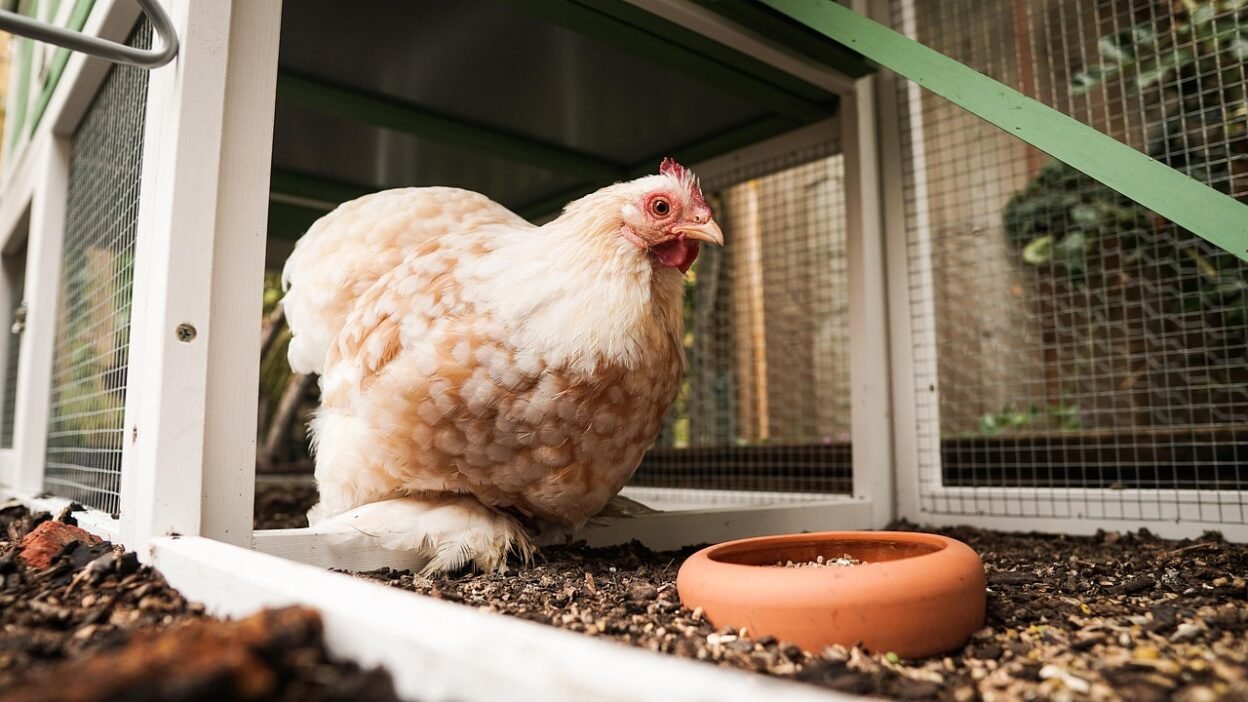
Healthy chickens thrive when given the right conditions, and most owners discover early on that simple habits create the biggest improvements. The goal is to build an environment that keeps birds comfortable, safe, and active each day.
Sound housing, good nutrition, and steady routines shape their overall well-being, and the early choices an owner makes influence behavior, growth, and long-term productivity. The following tips highlight practical guidance that helps create a strong foundation for any flock.
Proper Housing Setup
The structure itself sets the tone for flock comfort. Space plays a major role in how chickens behave, so choosing a coop that allows room to move brings clear benefits. Crowding encourages feather pecking, stress, and reduced egg production, so selecting a coop with enough room for the number of birds you plan to keep is a priority.
Owners who take time to compare different options usually find it easier to plan for future flock needs. If you’re planning to raise a healthy flock, exploring outdoor chicken coops for sale can help you find affordable housing that still offers daily comfort. Many designs provide simple access for cleaning and maintenance, which becomes essential as the flock grows. A suitable coop supports overall health by giving each bird the space it needs to act naturally.
Balanced Nutrition
Strong nutrition forms the backbone of chicken health. A balanced diet provides steady energy and supports immune strength, growth, and egg production. Complete feed made for the specific age group gives chickens the right mix of vitamins, minerals, and protein. Chicks, pullets, and adult layers each have unique requirements, so choosing the correct feed type prevents nutritional gaps that might appear later.
Supplemental treats can be enjoyable, although moderation keeps the diet balanced. Simple kitchen scraps or grains work well as occasional additions. Feed should stay clean and dry, so storage containers with tight lids help protect against pests. Regular feeding times give the flock rhythm and stability, and this consistency contributes to calmer behavior throughout the day.
Clean Water Availability
Clean water supports digestion, temperature regulation, and overall energy. Containers should stay full throughout the day, and fresh water helps chickens stay active and alert. Dirty or stagnant water exposes them to bacteria that can harm long-term health. Freshness matters because chickens often hesitate to drink if the water appears cloudy or tastes off.
Daily rinsing of drinkers keeps everything sanitary. Many keepers find it useful to position containers slightly above ground level to limit bedding from falling in. Warm climates may require more frequent checks, since heat encourages faster contamination. Crisp, clean water creates a simple but powerful boost to flock vitality.
Safe Outdoor Access
Outdoor access encourages natural foraging, which improves digestion and reduces boredom. Chickens feel more satisfied when they can scratch soil, hunt for insects, and explore open space. These activities strengthen their bodies and improve their overall mood. Safe outdoor areas should include a secure fence that prevents predators from approaching and keeps the flock contained.
Shaded spots help birds cool off on warm days, and a few sheltered corners give timid chickens places to retreat. Owners who observe their flock outdoors often notice calmer interactions and more balanced behavior.
Routine Health Checks
Regular observation helps prevent small issues from turning into bigger problems. Chickens often hide discomfort, so steady attention makes a noticeable difference. Healthy birds stay alert, move with purpose, and show interest in their surroundings. Any change in appetite, posture, or feather condition deserves quick attention. Early recognition protects the entire flock because many concerns spread through close contact.
Simple weekly checks keep things manageable. Feet should stay clean and free of swelling. Eyes should look clear, and nostrils should stay open without discharge. Feathers should remain smooth and bright.
Stress Reduction Practices
Calm environments help chickens stay healthier and more productive. Sudden noise, crowded conditions, and unpredictable routines raise stress levels. Lower stress supports strong immune systems and reduces aggressive behavior. Owners can make small adjustments that have a meaningful effect. Soft bedding, steady lighting, and consistent feeding times all help shape a peaceful setting.
Handling practices matter as well. Gentle movements and quiet voices create trust, and the flock responds with more relaxed behavior. Space also influences stress levels, since overcrowding leads to competition and tension.
Steady care and thoughtful planning create the conditions chickens need to thrive. Each part of their daily environment influences comfort, behavior, and long-term health, so small improvements often deliver meaningful results. Proper housing, good nutrition, fresh water, safe outdoor access, and simple routines work together to support a strong, active flock.
Owners who stay observant and committed to clean, calm living spaces see happier birds and fewer health concerns. A well-cared-for flock rewards that attention with better growth, steady laying, and a more enjoyable chicken-keeping experience.