You might have noticed that caring for your teeth is not as simple as it used to be. Maybe you are dealing with dry mouth from new medications, a denture that never feels quite right, or bleeding gums that worry you at night. A NE Philadelphia dentist can help you understand these changes and find solutions that fit your needs. You might even feel a little guilty, wondering if you “let things go,” when in reality your body, your health conditions, and your teeth are all changing at the same time.end
If that sounds familiar, you are not alone. Many older adults feel caught between wanting to stay independent and healthy, and not wanting one more appointment, one more bill, or one more lecture about flossing. Because of this tension, you might wonder if a general dentist really understands what you are facing now, or if you need someone “more specialized.”
Here is the reassuring truth. Modern general dentistry for older adults is built around the idea that aging changes everything. A thoughtful general dentist can coordinate your care, adjust treatments to your medical history, and help you protect your comfort, appearance, and ability to eat well. In other words, your dentist can become a partner in aging well, not just someone who fills cavities.
So where does that leave you today. It means there are practical, respectful ways to handle dry mouth, gum disease, tooth loss, and oral pain, without feeling overwhelmed. It also means you do not have to know all the answers before you schedule a visit. You just need to understand your options and what good support should look like.
Why does aging change your dental needs so much?
It often starts quietly. A new blood pressure pill, then something for diabetes, then maybe treatment for arthritis. Each medication helps your overall health, but together they might cause dry mouth, taste changes, or even burning in your mouth. Saliva protects your teeth. When it is reduced, cavities can grow quickly along the gumline or around the edges of old fillings.
At the same time, your gums may pull back a bit, exposing root surfaces that are more vulnerable. You might notice cold sensitivity or dark areas near the gum. If you wear a partial or full denture, small changes in weight, bone, or muscle tone can cause rubbing, sore spots, and difficulty chewing. All of this affects how and what you eat, which can then affect your overall health.
Emotionally, this can feel heavy. Teeth are tied to confidence. If you are avoiding certain foods, covering your mouth when you smile, or worried about bad breath, it can affect your social life and even your mood. Some people delay care because they fear judgment about the condition of their mouth or the cost of treatment, which only increases the stress.
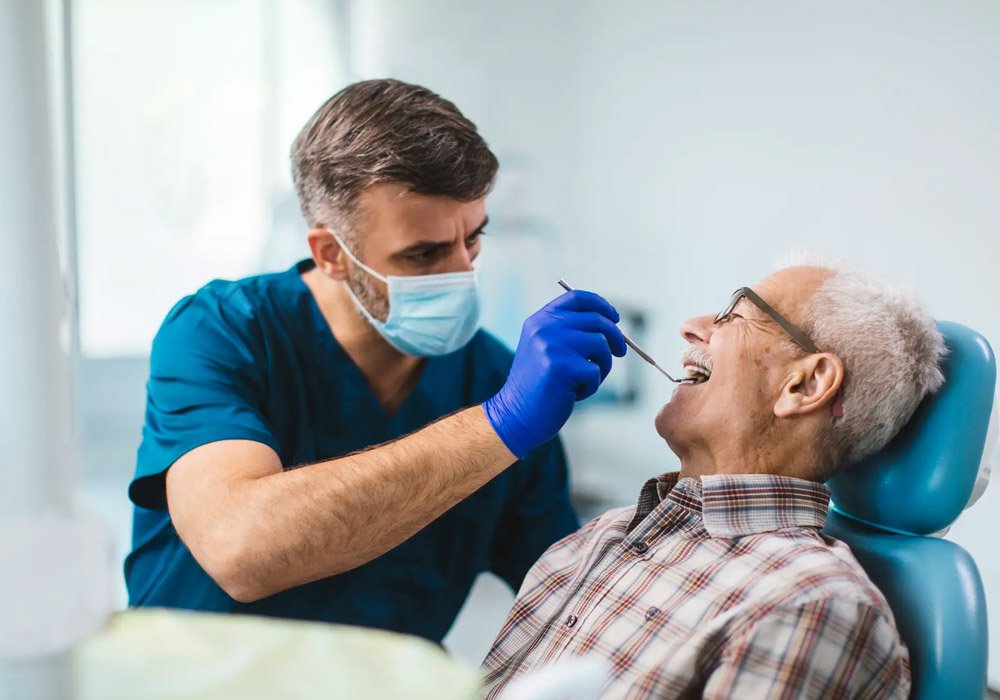
This is where a general dentist who understands aging comes in. They look at your mouth through the lens of your full medical picture. They ask about your medications, your dexterity, your vision, and your support system at home. They also help you understand which problems are urgent and which can be managed over time in a calm, planned way.
How does a general dentist tailor care for older adults?
Think of geriatric general dentistry as “ordinary” dental care done with extra attention to comfort, safety, and practicality. You are not a set of teeth. You are a whole person, and your care should reflect that.
A few examples can make this more concrete.
Imagine someone who has arthritis in their hands and struggles to brush well. A thoughtful general dentist will not just say “brush better.” They might recommend an electric toothbrush with a larger handle, show a caregiver how to help, and schedule slightly more frequent cleanings to compensate.
Or consider a person on several medications that cause dry mouth. Instead of watching cavity after cavity appear, a good dentist will talk about saliva substitutes, prescription fluoride, and changes in diet. They might coordinate with the physician to see whether any medication adjustments are possible, and they will monitor the mouth more closely.
For someone with memory issues, appointments might be scheduled at the time of day when they are most comfortable. Treatments may be broken into shorter visits. Instructions are given in writing for family members. The goal is to protect oral health while reducing confusion and fear.
If you would like more background about what typically changes in the mouth as you age, the National Institute of Dental and Craniofacial Research offers a helpful overview of oral health concerns in older adults that you may recognize in yourself or a loved one.
Is specialized care from a general dentist really worth it?
It is natural to wonder whether you can just “get by” with minimal care, especially if you are on a fixed income or juggling many appointments. You might ask yourself if it is really worth investing in careful dental care at this stage of life.
The research suggests that it is. Poor oral health is linked with difficulty eating, weight loss, and worsening control of conditions like diabetes. Painful or missing teeth can make it harder to speak clearly or enjoy social time with others. On the positive side, protecting your mouth can support better nutrition, clearer speech, and more confidence in everyday life.
The National Institute on Aging explains how taking care of your teeth and mouth helps you stay healthier and more comfortable as you get older. It is not just about appearance. It is about your ability to live the way you want.
Your general dentist can often provide this specialized support without sending you to multiple providers. They may still refer you to a specialist when needed, for example for complex surgery, but they remain your central point of contact who understands your history and your priorities.
What should you compare when planning dental care as you age?
When you think about your options, it helps to compare “getting by” with proactive, age aware care. The difference is not only in cost. It is also in comfort, function, and peace of mind.
| Approach | Short term experience | Long term impact | Typical role of a general dentist |
| Ignoring minor issues | No immediate cost. Possible ongoing discomfort or worry. | Higher risk of infections, tooth loss, emergency visits, and difficulty eating. | Often only involved in urgent situations, with fewer choices and more rushed decisions. |
| Basic, symptom only care | Problems treated one by one when they become painful. | Patchwork results. Repeated repairs. Possible higher total cost over time. | Provides fillings or extractions without a clear long term plan tailored to aging needs. |
| Proactive, age aware care | Issues caught early. Visits planned. Comfort and function prioritized. | Better ability to chew, speak, and smile. Fewer surprises. More control over choices and timing. | Acts as a partner. Adjusts care to medications, mobility, cognition, and personal goals. |
For a deeper look at how oral health changes across the years, including in older adulthood, you may find the NIDCR’s report on oral health across the lifespan for older adults helpful when thinking about your own plan.
Three steps you can take now to protect your oral health as you age
- Share your full medical story with your general dentist
Make a list of all your medications, including over the counter items and supplements, and bring it to your next visit. Include any recent hospital stays or new diagnoses. Mention dry mouth, burning, changes in taste, or trouble swallowing, even if you think they are “just part of getting older.” This information helps your dentist adjust treatments, choose safer medications, and focus on prevention where you need it most.
- Ask for a simple, written home care plan
Brushing and flossing can become harder with limited vision, memory changes, or hand pain. Ask your dentist or hygienist to create a short written plan that fits your abilities. This might include suggestions like an electric toothbrush, floss holders, fluoride rinses, or special brushes for dentures and implants. If a family member or caregiver helps you, bring them to the appointment so they can hear the instructions directly.
- Schedule regular checkups, even if nothing hurts
Pain is often the last sign of a problem, not the first. Regular visits allow your dentist to spot early signs of gum disease, oral cancer, infections, or denture issues before they become emergencies. If cost is a concern, be open about it. Many practices can space treatments out, focus on the most important issues first, or help you understand insurance and discount options. This kind of planning is a key part of thoughtful general dental care for older adults.
Moving forward with confidence in your general dentist
Aging brings real changes to your mouth, your body, and your daily life. Feeling frustrated or worried about your teeth does not mean you have failed. It simply means your needs have shifted, and your care should shift with them.
A good general dentist for seniors will listen without judgment, explain options in clear language, and respect your priorities, whether that is staying pain free, keeping certain teeth, improving chewing, or feeling more confident about your smile. You do not have to solve everything at once. You only need to take the next small step and find a dentist who understands that older adults deserve thoughtful, specialized care within general practice.
Your mouth is part of how you speak, eat, laugh, and connect with others. With the right support, you can protect that part of your life, even as your health and circumstances change.