Key Takeaways
- The timeline for personal injury cases varies from a few months to several years.
- Factors such as case complexity, medical treatment, and negotiations play major roles.
- Many cases settle before trial, but some require litigation and even appeals.
- Early legal guidance helps streamline the process and protect your interests.
Personal injury cases can be complex and emotionally taxing, especially when you are dealing with injuries, missed work, and mounting expenses. Understanding how long the process might take and what factors influence the timeline can help you set realistic expectations and approach your case more strategically. If you want to learn more about how legal professionals handle cases like yours, it is beneficial to have sound guidance every step of the way.
Timelines for personal injury lawsuits can range from a few months to several years, depending on several variables such as the severity of the injury, clarity of liability, negotiation process, and the court’s caseload. Sometimes, insurance companies play a significant role in how quickly or slowly a claim is settled.
The process of seeking compensation involves careful documentation, ongoing medical treatment, and negotiations with opposing parties. Every unique case progresses differently, with some reaching settlements quickly and others requiring a trial to resolve disputed issues. Knowing what to expect can relieve much of the uncertainty you might feel as you move forward.
Seeking legal representation early in the process is often crucial for protecting your rights and achieving a fair outcome. A knowledgeable attorney can explain the steps ahead, help you avoid common pitfalls, and maximize your chances of a favorable resolution. Various factors come into play throughout a personal injury case, each impacting how long the case will take to resolve.
Personal Injury Case Overview
Personal injury claims arise from various circumstances, including car accidents, slip and falls, workplace incidents, and defective products. The primary aim is to recover compensation for damages such as medical expenses, lost wages, pain and suffering, and property damage. Every case begins with investigation, communication with insurance companies, and attempting to resolve the dispute outside of court. However, some matters proceed to litigation if parties cannot reach an agreement.
Stages of a Personal Injury Case
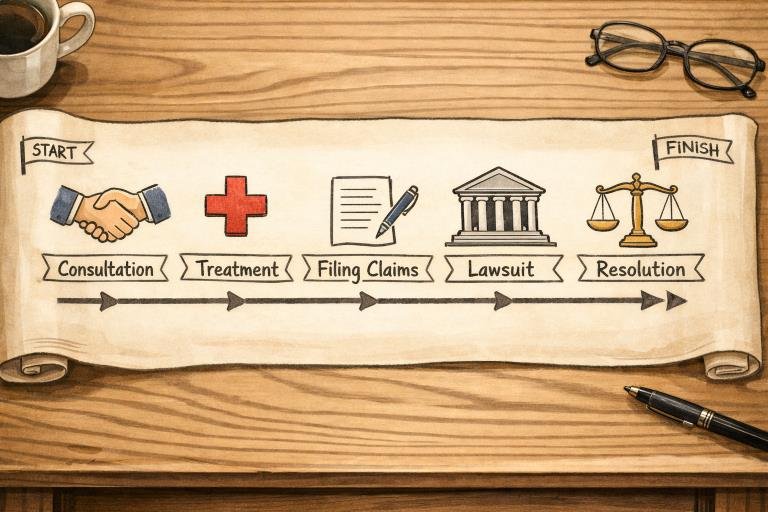
- Initial Consultation and Investigation:The process starts with meeting an attorney and gathering evidence, which usually takes days to weeks.
- Medical Treatment and Assessment:Injured parties must complete or reach maximum medical improvement, as this often determines the claim’s value. Ongoing care can extend this phase to several months or even years in severe cases.
- Filing Insurance Claims:Once medical treatment stabilizes, claims are filed, and negotiations commence, often requiring multiple exchanges of information and counteroffers.
- Filing a Lawsuit:If a settlement cannot be reached, the attorney files a formal complaint, which starts the litigation process. This stage involves discovery, depositions, and pretrial motions, spanning several months up to a year or longer.
- Resolution:The case concludes through a pretrial settlement, trial verdict, or, less commonly, appeal.
Key Factors Affecting the Timeline
Severity and Duration of Medical Treatment
The nature and extent of your injuries directly affect how promptly a case moves forward. More severe injuries with ongoing care needs can delay settlement, since the full scope of financial loss must be known before finalizing any agreement. Insurance adjusters and courts require comprehensive documentation, including physician opinions and projected future costs.
Disputed Liability
When the fault is clear, cases can be resolved much faster. However, if responsibility is unclear or if multiple parties are involved, insurers and opposing counsel may conduct extensive investigations that add months to the process.
Insurance Company Response
Insurers are known for using various strategies to delay or dispute claims. Negotiating with insurance companies can lengthen the timeline, as tactics like prolonged document review, stalling in settlement offers, and challenging your medical records are common. Forbes and similar reputable sites provide valuable insights into these insurer practices.
Litigation and Court Scheduling
If your case enters the court system, expect delays due to crowded dockets and legal procedures. Depositions, expert consultations, and pretrial motions can extend the case for months or even years. Appeals following a verdict add another layer of potential delay.
Settlement vs Trial Timelines
Most personal injury claims are resolved before reaching trial. Pretrial settlements usually occur within a year, provided liability is clear and injuries are well-documented. If the case proceeds to litigation, the process can extend to 18 months or longer. Rarely, cases may push past two years, particularly in jurisdictions with congested court calendars or highly contested matters.
Cases that advance to trial become subject to the court’s pace. Trial preparation, scheduling, and unexpected continuances impact how long it takes for the case to conclude. Even after a trial, post-trial motions or appeals are possible, adding more time to the final resolution. According to the American Bar Association resource, most cases settle out of court, but exceptions exist.
Tips to Help Move Your Case Forward
- Seek prompt medical care and follow all treatment recommendations.
- Keep detailed records of every visit, prescription, and conversation related to your case.
- Be proactive in gathering evidence, photos, and witness statements early, but let your attorney manage formal discovery.
- Respond quickly to your attorney’s requests for information or documentation to prevent delays.
- Be patient and realistic about settlement expectations. Sometimes, waiting ensures you are fairly compensated for the true extent of your injuries.
Conclusion
The length of a personal injury case hinges on key factors, including medical treatment, disputed liability, insurance tactics, and the court’s schedule. With the guidance of an experienced attorney and ongoing communication, you can better navigate the process, protect your interests, and work towards a successful resolution. Stay informed, follow your legal team’s advice, and prepare for a process that sometimes takes longer than expected to ensure your best outcome.