

Key Takeaways
- Regular maintenance and proper installation are essential for the safety of gas fireplaces.
- Understanding the different types of gas fireplaces can help in making informed decisions.
- Implementing safety measures can prevent potential hazards.
- Enhancing efficiency can lead to energy savings and environmental benefits.
Gas fireplaces have become a preferred solution for many homeowners seeking to combine comfort, ambiance, and energy efficiency in their living spaces. Their convenience and heating potential make them an attractive choice, but operating them safely and efficiently is essential to maximize these benefits while minimizing risks. Whether you are new to gas fireplaces or looking to improve your current setup, seeking expert advice can help to keep your family warm and secure. For professional maintenance or repair needs, visit https://southernchimneys.com/gas-fireplace-service/ to find certified service providers in your area.
Understanding proper installation, maintenance, and operation is critical in order to avoid hazards associated with gas appliances. Accidents can occur if recommended safety protocols are not followed, and inefficiencies could lead to wasted energy or increased costs. By learning the best practices for use and care, you can enjoy peace of mind when gathering around your fireplace.
Paying attention to the type of unit you own, routine inspections, and safety measures protects both your loved ones and your investment. With growing concerns around indoor air quality and energy conservation, responsible fireplace ownership supports a safe home and a healthier environment. Choosing the right model will also affect heat output, efficiency, and overall satisfaction for years to come.
To understand how these factors apply to your fireplace, and to help you make informed decisions, this comprehensive guide covers the key areas you should focus on. Each section below will detail essential tips for choosing, maintaining, and optimizing your gas fireplace experience.
Types of Gas Fireplaces
Gas fireplaces come in a variety of models to suit different heating needs, living spaces, and aesthetic preferences. Understanding these types will help you select the best option for your home and ensure you are equipped to maintain safe operation.
- Direct Vent Fireplaces:These fireplaces are among the safest and most efficient options. They draw combustion air from outside and vent exhaust gases directly outside through a sealed system. This prevents the release of byproducts into the living area, protecting indoor air quality and maintaining high heating efficiency. For an in-depth explanation of direct vent systems, you can read more at Bob Vila’s guide to fireplace types.
- Vent-Free Fireplaces:Vent-free models do not require a chimney or external vent. Instead, they release combustion gases into the room. While they offer high heating efficiency and flexibility in placement, they must be used in accordance with local regulations and require vigilant monitoring to ensure air quality remains safe.
- Insert Fireplaces:Gas inserts are designed to retrofit into existing wood-burning fireplaces. They improve energy efficiency by minimizing heat loss up the chimney and can transform an old, drafty fireplace into a convenient, modern heat source.
Installation and Maintenance
Investing in professional installation and ongoing maintenance is critical to getting the most from your gas fireplace while protecting your home and loved ones.
- Professional Installation:Certified specialists ensure that your unit is installed to code, with secure venting, proper gas line connections, and adequate clearances from combustibles. DIY installation is discouraged because a minor mistake can put your safety at risk or void your manufacturer’s warranty.
- Annual Inspections:Schedule yearly inspections by a qualified technician to check for common issues like vent blockages, pilot light problems, or faulty seals. These routine checkups can identify potential hazards and fix them before they escalate.
- Routine Cleaning:Dust, pet dander, and debris can accumulate in your fireplace, impairing its performance. Regularly clean the glass, burn area, and surrounding surfaces. Use a soft brush or vacuum attachment to prevent lint or fluff from becoming a fire risk.
Safety Measures
Implementing practical safety protocols protects your family and property from the most common gas fireplace hazards.
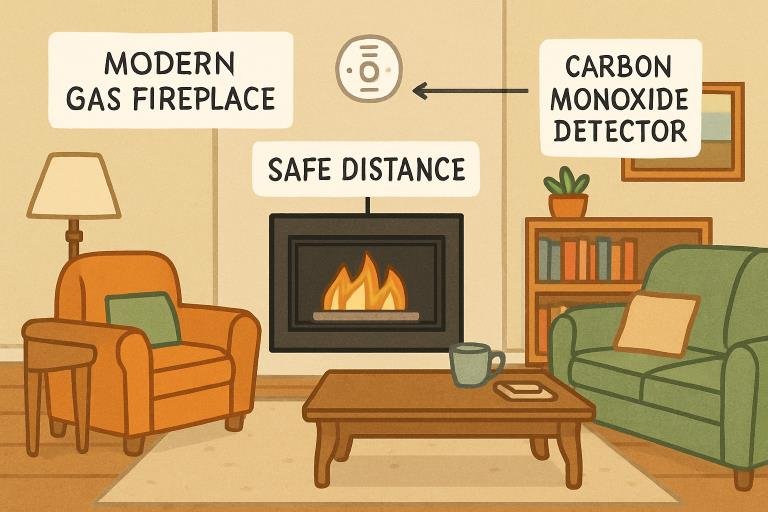
- Install Carbon Monoxide Detectors:Given that improper combustion or blocked vents can release dangerous gases, install carbon monoxide detectors near the fireplace and in sleeping areas. These devices offer critical early warning in the event of a malfunction.
- Maintain Clearance Zones:Keep furniture, curtains, and decor at least three feet away from your fireplace. Many local building codes specify clearances to reduce the risk of house fires or accidental burns.
- Exercise Vigilance:Never leave your gas fireplace running unattended. Always supervise children and pets around the appliance, and turn it off if you need to leave the room for an extended period.
Enhancing Efficiency
Optimizing the efficiency of your gas fireplace does more than reduce your monthly heating bills. It also supports eco-friendly living by minimizing wasted energy and harmful emissions.
- Utilize Programmable Thermostats:Integrate a thermostat to allow for automated temperature control. This helps maintain a comfortable room environment without overusing gas or wasting heat.
- Seal Leaks and Check Insulation:Drafts around chimney flues or inserts can contribute to heat loss. Ensure all joints are tightly sealed, and consider additional insulation in the surrounding walls if your unit is not delivering adequate warmth.
- Consider Upgrades:If your fireplace is older, upgrading to a modern, high-efficiency model can reduce your energy use and carbon footprint. Many new units meet stringent federal energy standards and can be equipped with remote controls for added convenience.
Conclusion
Gas fireplaces can be a safe, stylish, and energy-smart addition to any home when operated responsibly. By understanding the distinctions between fireplace types, ensuring correct installation and ongoing maintenance, and following proven safety guidelines, you can enjoy both warmth and peace of mind. Enhanced efficiency supports lower utility costs and a more sustainable home environment. For continued safety and performance, it is always wise to partner with certified professionals for installation and annual service checks.


