Driving today is about staying alert and reaching your destination safely. Modern cars now feature smart systems that help prevent accidents and manage unexpected moments with ease. From sensors to alerts, technology has reshaped how we experience safety behind the wheel. These innovations give drivers more control, reduce blind spots, and boost confidence in every situation. This article explores key safety essentials that make daily drives smoother, more secure, and better equipped for today’s busy roads.
Upgrade Visibility with a Back-Up Camera
Seeing clearly behind your vehicle can make a huge difference in preventing minor accidents. A back up camera gives a full view of the area behind your car, displaying real-time footage on your dashboard screen. It eliminates blind spots that mirrors can’t always cover, which is especially useful in crowded parking lots or when reversing near pedestrians.
Modern systems even include sensors and night vision features for better clarity. The installation is simple and can fit most vehicles. This small addition boosts your reaction time, improves awareness, and makes daily driving safer for you and others around you.
Collision Warning Systems
A collision warning system is one of the most useful safety features for drivers today. It uses sensors and radar to spot vehicles or objects in your way. When it senses danger, it alerts you right away. That gives you a few seconds to react before an accident happens.
Benefits include:
- Real-time alerts for slowing or stopped traffic ahead.
- Faster reaction time when things get risky.
- Extra safety for both city and highway drives.
Some systems also work with automatic braking to reduce the chances of a crash. It’s like having another pair of eyes always watching the road ahead for you.
Blind Spot Detection
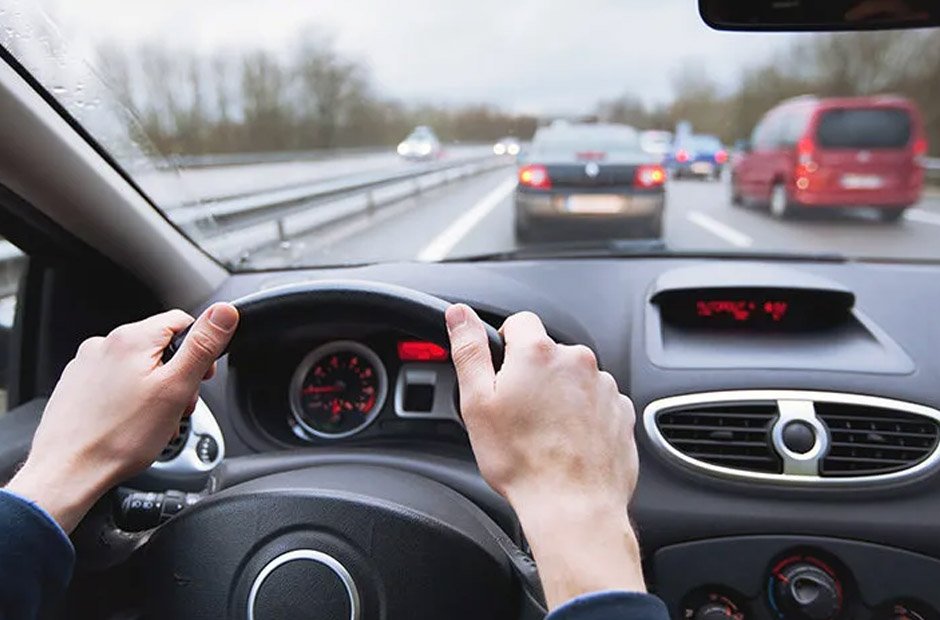
Changing lanes on a busy highway can make anyone tense. Blind spot detection helps by keeping an eye on areas you can’t easily see. It warns you when another car moves into that hidden zone beside you. That makes switching lanes smoother and safer.
How it helps:
- Visual or sound alerts when a car is close.
- Fewer chances of side-impact collisions.
- More confidence while changing lanes or merging.
These alerts don’t replace using your mirrors, but they do add another safety layer. When awareness meets smart tech, driving feels a lot more secure.
Tire Pressure Monitoring System
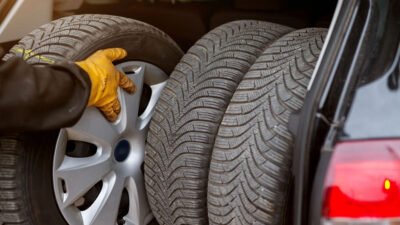
Tires connect your car directly to the road, so their condition matters a lot. A tire pressure monitoring system (TPMS) keeps an eye on air levels and warns you if pressure drops too low. Low pressure can lead to poor handling, longer braking, or even a blowout.
Key advantages of TPMS:
- Quick alerts when tire pressure gets unsafe.
- Better fuel economy with properly inflated tires.
- Longer tire life and better road grip.
Adaptive Headlights
Night driving or foggy roads can test your focus. Adaptive headlights help by turning the light beam in the direction your car moves. They follow your steering and adjust to your speed.
This makes corners clearer, reduces glare for others, and helps you spot hazards early. Along with fog lights and a clean windshield, it keeps night driving safe. Bright, focused light gives you confidence and helps you stay in control, even when the road turns dark.
Parking Sensors
Parking sensors take the stress out of maneuvering into tight spots. They use ultrasonic waves to detect nearby obstacles and alert you with beeps or visual signals. As the vehicle approaches an object, the beeps quicken, helping you park precisely without bumps or scratches.
Ideal places to use sensors:
- Crowded parking areas.
- Parallel parking zones.
- Narrow driveways or garages.
Together with a camera system, parking sensors create a clear picture of your surroundings. This combination reduces damage and makes parking more controlled and stress-free.
Build Safer Habits Behind the Wheel
Technology enhances safety, but your habits define how effective it can be. Smart systems work best when paired with alert, responsible driving. Consistent awareness behind the wheel makes every safety feature more reliable. Here are a few habits that help you stay safe:
- Keep your eyes on the road, avoiding distractions.
- Maintain safe following distances.
- Use turn signals consistently.
- Perform regular maintenance checks.
Safety on the road is no longer limited to seatbelts and airbags. Features like blind spot detection, tire monitoring, and a backup camera work together to create a smarter, safer driving experience. These essentials keep your vehicle safe and help protect lives, too. With a combination of reliable habits and modern tools, you can drive with greater awareness and peace of mind every day. Smart safety reflects responsibility, not luxury, and every modern driver can value that choice.