Key Takeaways
- Tooth sensitivity is a common and usually short-term whitening side effect.
- Healthy teeth and gums should come before cosmetic treatment.
- Whitening toothpaste, strips, trays, and professional care each suit different needs.
- Natural enamel may whiten, but crowns, veneers, fillings, and bonding do not.
- Gentle habits can help maintain results and limit new stains.
- Severe, lasting, or one-sided tooth pain is a reason to stop whitening and contact a dentist.
A Brighter Smile Should Not Feel Like a Trade-Off
Wanting a brighter smile is understandable, but nobody wants to trade it for sharp jolts of pain every time they drink cold water. Whether you are considering whitening strips at home or a teeth whitening session in Virginia Beach, the most comfortable approach is usually the one that matches your teeth, gums, timeline, and goals.
Whitening can be an effective cosmetic option, but it is not a one-size-fits-all process. The cause of discoloration, the condition of your enamel, existing dental work, and a history of sensitivity all affect which method makes the most sense. Starting slowly and setting realistic expectations can help you improve your smile without overdoing it.
What Causes Teeth to Look Darker?
Not all discoloration is the same. Surface stains collect on the outside of enamel, while deeper discoloration begins within the tooth. Knowing the difference matters because a product that lifts coffee stains may not significantly change a tooth that darkened after an injury or medication exposure.
- Surface stains: Coffee, tea, cola, red wine, tobacco, and plaque buildup can leave color on enamel.
- Internal discoloration: Aging, thinning enamel, certain childhood medications, tooth trauma, and changes inside a tooth can create a darker appearance.
- Restoration color: Crowns, veneers, fillings, implants, and bonding keep their existing shade during whitening.
As enamel becomes thinner over time, more of the naturally yellow dentin beneath it becomes visible. That is one reason teeth can appear darker with age, even when they are clean. A dental exam can help identify whether the issue is ordinary staining or something that calls for a different treatment plan.
Why Whitening Can Cause Sensitivity
Most bleaching products use hydrogen peroxide or carbamide peroxide. These ingredients work by breaking apart colored compounds in teeth, but they can also temporarily irritate the inner tooth tissue. The result may be a quick “zing” triggered by cold, heat, sweets, or acidic foods.
The temporary sensitivity and gum irritation associated with whitening are common, especially early in treatment, and they often improve after a short break or once treatment ends. Stronger products, longer wear times, and poorly fitting trays can increase the chance of discomfort.
Compare the Main Whitening Options
There is no universally best whitening method. Consider the amount of change you want, how quickly you want it, and how easily your teeth become sensitive.
- Whitening toothpaste: Best for mild surface stains. These products rely mainly on polishing ingredients and typically produce subtle changes rather than dramatic whitening.
- Whitening strips: Convenient, accessible, and often effective for natural teeth. Follow the instructions closely because overuse can irritate teeth and gums.
- Over-the-counter trays: These can cover more tooth surface, but generic trays may allow gel to reach the gums or fit unevenly.
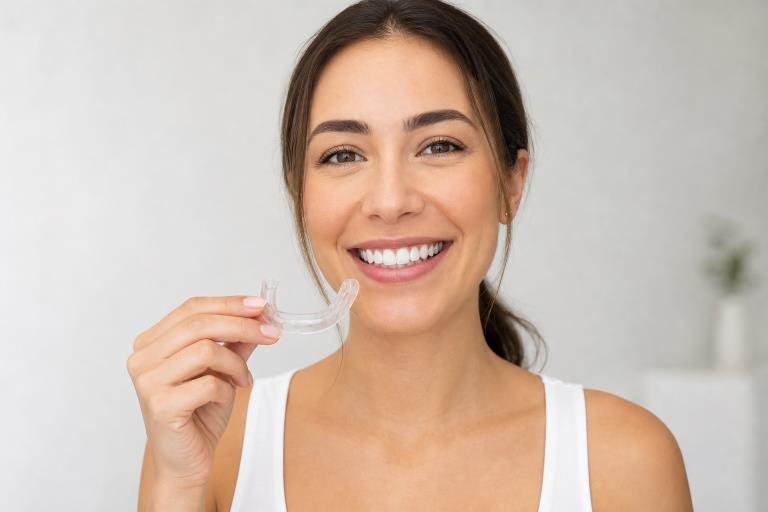
- Dentist-supervised trays: Custom trays and professional guidance can make gradual whitening more precise and comfortable.
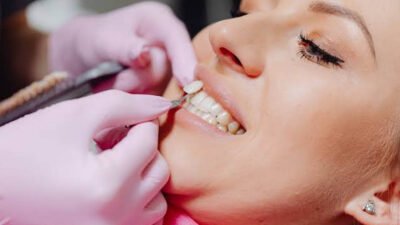
- In-office whitening: This option can provide faster visible results, although some people experience temporary sensitivity afterward.
How to Prepare Before Whitening
Whitening is not a substitute for dental treatment. If you have bleeding gums, swelling, decay, a cracked tooth, exposed roots, or ongoing pain, address that issue first. Whitening an unhealthy tooth can make discomfort worse and may delay the care you actually need.
- Schedule a checkup if you have tooth pain, gum bleeding, swelling, or broken dental work.
- Ask about cavities, gum recession, enamel wear, and visible restorations.
- Use a soft-bristled toothbrush and gentle pressure rather than scrubbing aggressively.
- Consider using toothpaste formulated for sensitive teeth before you start whitening.
- Read every product instruction and use only the recommended amount of gel or strips.
Ways to Reduce Whitening Sensitivity
If your teeth have reacted to whitening before, a gradual plan may be much easier to tolerate. Reducing intensity does not necessarily mean giving up on results. It may simply mean allowing more time for the change you want.
- Choose a lower-strength product or shorten the recommended wear time if your dentist advises it.
- Space out sessions instead of whitening on consecutive days.
- Use a toothpaste designed for sensitive teeth consistently.
- Avoid very hot, cold, sweet, or acidic foods soon after treatment if they trigger discomfort.
- Wipe away excess gel and never place whitening gel directly on the gums.
- Stop treatment if pain is severe, constant, or clearly isolated to one tooth.
When Whitening Is Not the Best First Step
Tooth pain is not something to whiten through. Cavities, gum disease, cracked teeth, worn enamel, and recession can all contribute to sensitivity. As explained in guidance about common causes of sensitive teeth, discomfort can stem from several dental conditions that need targeted care rather than cosmetic treatment.
It is also wise to pause if you have recently had dental work or if the color change affects just one tooth. A single dark tooth can sometimes signal an old injury or an internal tooth problem, so it deserves a professional evaluation.
What Whitening Can and Cannot Change
Whitening can improve the shade of natural teeth, particularly yellow or surface-related discoloration. It cannot repair chips, reshape teeth, close gaps, or change the shade of restorations. Gray, brown, uneven, or trauma-related stains can respond differently and may require more time or another cosmetic approach.
If a front crown or filling is visible when you smile, consider the order of treatment carefully. Whitening natural teeth first may mean that an older restoration needs replacement later to match the new shade.
Common Whitening Mistakes to Avoid
- Combining strips, trays, toothpaste, and other whitening products all at once.
- Leaving gel or strips on longer than directed.
- Whitening daily for weeks without breaks.
- Using lemon juice, charcoal powder, vinegar, or other household products on teeth.
- Brushing harder in an attempt to remove stains.
- Ignoring gum burns, severe sensitivity, or persistent pain.
How to Keep Teeth Looking Brighter
Maintenance is less dramatic than whitening, but it has a bigger long-term effect. Brush twice daily with fluoride toothpaste, clean between teeth every day, drink water after coffee or tea, and keep regular dental visits. Tobacco use and frequent exposure to dark drinks can restain teeth over time, regardless of the whitening method used.
A Simple Decision Guide `
- If you have pain or gum problems: Get the cause checked before whitening.
- If stains are mild: Focus on daily hygiene and a gentle whitening toothpaste.
- If you want a more noticeable change: Compare strips, trays, and professional options.
- If sensitivity is common: Choose a slower approach and ask a dental professional about comfort measures.
- If restorations show when you smile: Discuss color matching before whitening natural teeth.
Conclusion
A brighter smile should support confidence, comfort, and oral health. The safest whitening plan is rarely the most aggressive one. By treating dental concerns first, choosing a method that fits your needs, and giving your teeth time to adjust, you can pursue a fresher-looking smile while reducing unnecessary sensitivity.