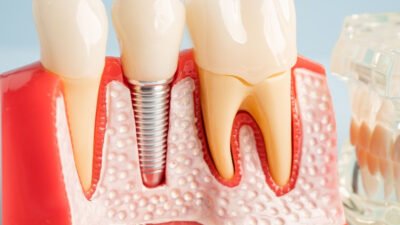
Healthy teeth do not come from rare big changes. They come from small repeated actions at home. You brush, you floss, you rinse. Then you do it again tomorrow. When your home care matches what your dentist teaches, your mouth stays steady. Your gums bleed less. Your breath smells clean. Your checkups stay calm and short. That is the power of consistency in care. It turns confusing advice into simple habits you follow without effort. It also supports other treatment you receive, such as Grand Rapids dental implants, fillings, or crowns. Regular routines protect the money and time you already spent on your mouth. They also lower your chance of pain and urgent visits. This blog explains how steady care at home works with regular dental visits. It shows you how to build strong habits that last.
Why your daily routine matters more than rare fixes
You cannot “catch up” on oral care with one long brushing session. Plaque forms every day. Then it hardens into tartar that only a dental team can remove. Steady home care breaks this cycle.
When you stay consistent, three things happen.
- You remove fresh plaque before it hardens.
- You keep gums from staying swollen or sore.
- You stop small problems from turning into deep decay.
The Centers for Disease Control and Prevention explains that tooth decay is one of the most common chronic problems in children and adults. Yet it is preventable. Your routine is your main shield.
What “consistent care” at home looks like
Consistent care is simple. It is the same core steps, every day, without long gaps.
- Brush twice a day for two minutes with fluoride toothpaste.
- Floss once a day to clean between teeth.
- Use a fluoride mouth rinse if your dentist suggests it.
- Drink water often, especially after meals and snacks.
- Limit sugary drinks and sticky snacks.
You do not need special tools. You do need a clear plan and the will to repeat it.
How consistency helps children and adults
Every age group gains something different from steady habits.
| Age group | Main goal | Key home habit
|
| Young children | Learn routine and trust | Parent brushes and flosses with the child every night |
| Teens | Protect new permanent teeth | Set phone reminders for brushing and flossing |
| Adults | Prevent decay and gum disease | Brush and floss before bed without skipping |
| Older adults | Protect restorations and comfort | Use soft brushes and cleaning aids for bridges or implants |
When the whole family follows the same pattern, children see oral care as normal. Not as a punishment. Not as a rare event.
Why steady home care protects dental work
Fillings, crowns, and implants last longer in a clean mouth. Plaque that collects around these spots can cause decay at the edges or gum loss around implant posts.
Consistent home care helps you:
- Keep the gum line tight and strong around crowns and implants.
- Avoid decay under old fillings.
- Lower the risk of infection after treatment.
The National Institute of Dental and Craniofacial Research notes that adults keep teeth longer when they control plaque and visit the dentist on a regular schedule. Your daily routine is the base that supports every treatment you receive.
Daily habits compared to “catch up” care
The table below shows how steady habits stack up against a “once in a while” approach.
| Pattern | Short term effect | Long term effect
|
| Brush and floss daily | Mouth feels clean each day | Fewer cavities and less gum bleeding |
| Brush hard only before visits | Gums feel sore and may bleed more | Higher risk of decay and deep cleanings |
| Use floss most days | Food does not stay stuck | Lower risk of gum disease |
| Skip floss, rely on mouthwash | Breath may smell better for a short time | Plaque stays between teeth and causes damage |
Short bursts of effort cannot undo weeks of buildup. Your mouth remembers what you do every day, not what you do once in a while.
Simple ways to build steady habits at home
You can turn small steps into strong routines.
- Place your toothbrush, floss, and rinse in one open spot near the sink.
- Set two fixed times each day, such as after breakfast and before bed.
- Use a two-minute timer or a song while you brush.
- Keep a small chart for children and let them mark each completed routine.
- Pack a travel brush and floss so you stay on track on busy days.
You do not need perfection. You need steady effort most days of the week.
Working with your dental team
Home habits work best when they match the plan you set with your dentist or hygienist. During visits, ask clear questions.
- Which spots in your mouth need extra time?
- Which brush and floss type do they suggest for you?
- How often you should return for cleanings.
Then follow that plan at home. Keep notes on what feels hard. Bring those notes to your next visit so the team can adjust the plan with you.
Turning today’s effort into tomorrow’s comfort
Every time you brush and floss, you make your next dental visit easier. You cut the chance of sharp pain. You protect your savings. You keep your smile steady for your family and for yourself.
You do not need big promises. You need the same simple steps, day after day. Start tonight. Brush with care. Floss with care. Rinse with care. Then repeat tomorrow. Your future self will thank you in quiet, pain-free moments.