You might be feeling a bit guilty every time you see your toothbrush on the counter. Maybe you brush most days, but you rush through it. Maybe you floss the week before a dental checkup, then stop again. Or maybe you have a sore tooth or bleeding gums and you are worried it is already “too late” to fix things—fortunately, options like Livermore cosmetic dentistry can help you start fresh and restore your smile.
If that sounds familiar, you are not alone. Life is busy, money can be tight, and oral health often slides to the bottom of the list. Then one small cavity turns into a root canal, or a little bleeding turns into gum disease. It is easy to feel overwhelmed and wonder where to even start.
The good news is that general dentists are not asking you to overhaul your entire life. A handful of simple, everyday habits can protect your teeth and gums, reduce painful emergencies, and cut down on expensive treatment later. This guide walks through five habits that general dentists quietly wish every patient would follow, with practical tips you can start using today.
Why Do Small Daily Habits Matter So Much For Oral Health?
You might be thinking, “I already brush, so why am I still getting cavities or gum issues?” That question makes sense. The truth is that oral health is about consistency and technique, not just effort.
Here is the core problem. Throughout the day, a sticky film called plaque builds up on your teeth. It is full of bacteria that feed on sugars and starches from your food. As they feed, they produce acids that attack your enamel. Over time, this leads to cavities, gum inflammation, and even bone loss around your teeth.
Because of this constant cycle, skipping good habits even for a few days can let plaque harden into tartar, which you cannot remove at home. That is when you start to see red, swollen gums, bad breath that does not go away, and sensitivity to hot or cold.
So where does that leave you? It means small daily choices are more powerful than the occasional “big effort.” A rushed brushing before bed will never beat a calm, consistent routine done twice a day. A once-a-year cleaning cannot undo years of plaque buildup. The upside is that the same rule works in your favor. Tiny, sustainable changes add up to a healthy mouth.
Habit 1: Are You Really Brushing The Way General Dentists Recommend?
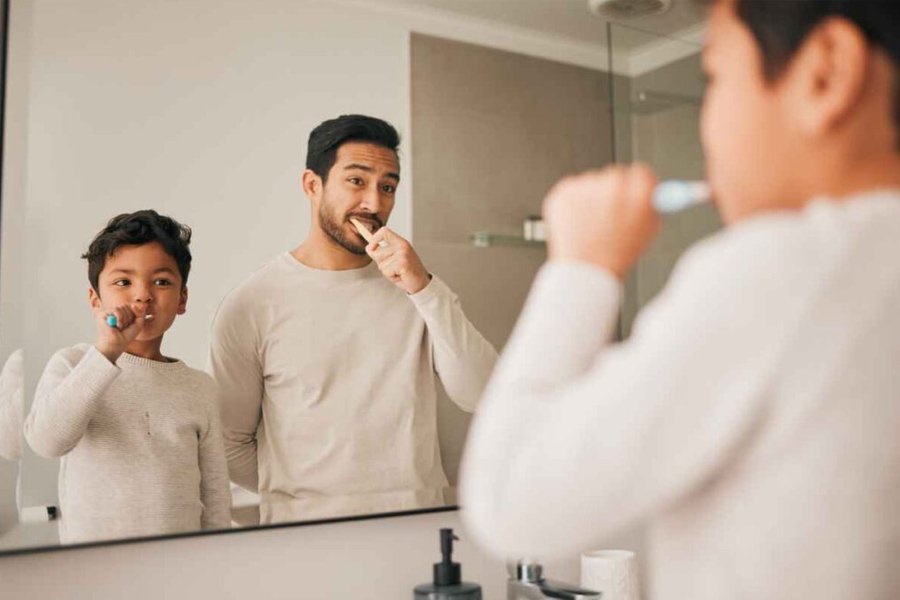
Most people say they brush their teeth. General dentists see the results and know that many are not brushing well enough or long enough. Effective brushing is the foundation of good daily oral hygiene, so it is worth slowing down and doing it right.
Here is what dentists recommend.
- Brush twice a day for a full two minutes each time.
- Use a soft bristle toothbrush to avoid damaging your gums.
- Hold the brush at a slight angle toward the gumline and use gentle, short strokes.
- Brush all surfaces. Outer, inner, and chewing surfaces of every tooth.
- Replace your toothbrush every 3 to 4 months or sooner if the bristles fray.
If two minutes feels long, set a timer or play a short song. Many people also find that an electric toothbrush makes it easier to clean thoroughly with less effort. For more brushing basics and science-backed tips, you can read the National Institute of Dental and Craniofacial Research guidance on proper oral hygiene.
Habit 2: What Happens When You Skip Flossing?
Flossing tends to be the first habit to go when you are tired. You might tell yourself that brushing is “good enough.” General dentists see the hidden damage between teeth and know that is not true.
Food and plaque get trapped where your toothbrush cannot reach. If they stay there, the bacteria irritate your gums, which can lead to bleeding, bad breath, and gum disease. Gum disease is one of the main reasons adults lose teeth, and it often starts quietly between teeth.
You do not need to floss perfectly to get benefits. Here is a simple, dentist approved approach.
- Floss once a day, at any time that fits your routine.
- Gently slide the floss between each tooth, then curve it in a C shape against the side of the tooth.
- Move the floss up and down under the gumline a little, without snapping or forcing it.
- If traditional floss is hard for you, try floss picks or a water flosser.
Think of flossing as cleaning the “hidden half” of your teeth. Even if your gums bleed a little at first, staying consistent usually makes them healthier and less sensitive within a week or two.
Habit 3: How Does Your Diet Quietly Shape Your Oral Health?
You might already know that sugar can cause cavities. What many people do not realize is that it is not just about the amount of sugar. It is about how often your teeth are exposed to it.
Every sip of soda or bite of candy gives mouth bacteria new fuel to produce acid. If you snack or sip sugary drinks throughout the day, your teeth stay under almost constant acid attack. Even “healthy” snacks like dried fruit or flavored yogurt can be sticky and sugary enough to cause trouble.
General dentists often recommend focusing on these eating habits.
- Limit sugary foods and drinks, especially between meals.
- Choose water as your main drink. It helps wash away food and neutralize acids.
- Include crunchy fruits and vegetables like apples and carrots, which can help clean surfaces as you chew.
- Be careful with acidic drinks like soda and sports drinks, which can erode enamel over time.
When you do have sweets, try to have them with a meal instead of as a series of small snacks. Your mouth produces more saliva during meals, which helps protect your teeth.
Habit 4: Are You Seeing A General Dentist Often Enough?
Many people wait to see a general dental provider until something hurts. By then, a small problem may have turned into a big one. Regular checkups help catch issues early, when they are easier and less expensive to treat.
Most adults do well with a checkup and professional cleaning every six months. Some people with a history of gum disease, dry mouth, or lots of previous dental work may need to go more often. During these visits, your dentist and hygienist can remove hardened tartar, check for cavities, screen for oral cancer, and answer questions about your daily routine.
If cost or access is a concern, it may help to know that many communities and health departments offer lower cost options. For example, the Oregon Health Authority shares resources on preventive dental care and community programs on its page about oral health care and prevention. Similar programs often exist in other states through public health departments, dental schools, or nonprofit clinics.
Habit 5: Are You Protecting Your Mouth Between Brushings?
Brushing, flossing, and regular dental visits are the core habits. General dentists also see big benefits when patients add a few simple protective steps during the day.
Consider these small but powerful habits.
- Use a fluoride toothpaste and, if recommended by your dentist, a fluoride mouthwash to strengthen enamel.
- Rinse your mouth with water after eating if you cannot brush.
- Do not use your teeth as tools to open packages or bite hard objects like ice or pens.
- If you grind your teeth at night, talk to your dentist about a night guard.
- If you play contact sports, wear a mouthguard to prevent broken or knocked out teeth.
These habits do not take much time, but they can prevent chips, cracks, and wear that often lead to bigger treatment later.
How Do At Home Habits Compare To Professional Dental Care?
You might be wondering how much of this you can handle at home and when you truly need a dental visit. Both at home care and professional care matter. They simply play different roles. The table below gives a simple comparison to help clarify.
| Aspect | Daily At Home Habits | Professional Dental Care
|
| Main purpose | Prevent plaque buildup and protect teeth and gums every day | Remove hardened tartar, diagnose problems, and provide treatment |
| What it can do | Reduce risk of cavities, freshen breath, keep gums healthy | Find hidden decay, treat gum disease, repair damaged teeth |
| What it cannot do | Remove tartar or fix deep decay or infections | Replace the need for regular brushing, flossing, and smart diet choices |
| Cost over time | Low cost. Mainly toothbrushes, floss, and toothpaste | Higher per visit, but often prevents much more expensive procedures later |
| Best approach | Do consistently every day | Schedule on a regular schedule, usually every 6 to 12 months |
When you combine strong daily habits with regular visits to a general dentist, you give yourself the best chance at a healthy, comfortable smile for many years.
Three Simple Steps You Can Take Today
It is easy to feel like you have to fix everything at once. You do not. Start with a few clear steps and build from there.
- Reset your brushing and flossing routine
Tonight, give yourself a relaxed, unhurried two minutes to brush, then floss once, even if you have not flossed in months. Pick a regular time that fits your life. For example, after breakfast and before bed. Put your toothbrush and floss somewhere you will see them, such as next to your phone charger or coffee maker. The goal is not perfection. It is consistency.
- Make one small change to what you drink
Choose one sugary or acidic drink you have often, such as soda, sweet tea, or sports drinks, and swap at least one serving a day for plain water. Keep a refillable water bottle nearby as a visual reminder. This single change reduces acid attacks on your teeth and supports your overall health too.
- Schedule your next dental checkup
If it has been more than a year since you saw a dentist, or you are worried about a specific problem, choose a clinic and make an appointment. If you are nervous or embarrassed, remember that general dentists are used to seeing all kinds of situations. Their goal is to help, not judge. If you are unsure what to ask, you can review the CDC’s simple guidance on oral health tips for adults and bring your questions with you.
Moving Forward With More Confidence About Your Oral Health
You do not need a perfect past to build a healthier future for your mouth. Even if you have cavities, gum problems, or missing teeth, the habits you choose today still matter. They can protect the teeth you have, support any dental work you receive, and reduce pain and surprise bills down the road.
Start small. Commit to better brushing, honest flossing, smarter drinks, a bit more protection during the day, and regular visits to a trusted general dentist. Over time, these everyday habits will do more for your oral health than any one procedure ever could.
Your smile does not need perfection. It needs steady care. You have the power to give it that, one simple habit at a time.