You might be staring at your smile in the mirror, noticing that one chipped tooth, that stubborn discoloration, or those small gaps that never quite went away. Maybe you have a big event coming up, or you are simply tired of feeling self-conscious every time you see a photo of yourself. You have heard that cosmetic bonding and veneers can both “fix” your smile, but the more you read, the more confusing it becomes. When you start searching for an affordable dentist in Van Nuys, CA, the range of options and opinions can make the decision feel even more overwhelming.end
You are not wrong to feel torn. Both options promise a better smile, yet they come with very different costs, lifespans, and levels of commitment. In simple terms, bonding is usually quicker and cheaper. Veneers are usually stronger and last longer. The tradeoff is that veneers involve more of a permanent change to your teeth.
So where does that leave you? It helps to slow things down. Once you understand how bonding vs. veneers longevity really compares, how they are done, and what they mean for your day to day life, the “right” choice starts to feel a lot clearer and far less overwhelming.
What actually happens to your teeth with bonding and veneers?
Before thinking about which cosmetic fix holds up better over time, it helps to understand what each one really is. That way you know what you are signing up for, both today and years from now.
Cosmetic bonding uses a tooth colored resin material that is shaped directly on your tooth, then hardened with a curing light. It can repair chips, reshape a tooth, close small gaps, or cover discoloration. The material is similar to what dentists use for tooth colored fillings. The American Dental Association explains more about these direct restoration materials if you want to see the science behind it.
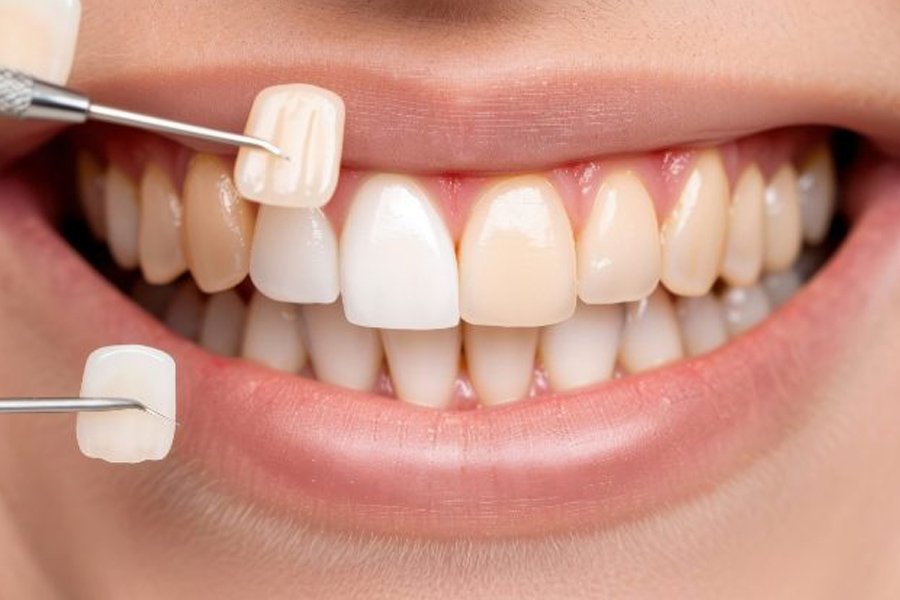
Porcelain veneers are thin shells that cover the front surface of your teeth. Your dentist usually removes a very small amount of enamel, takes impressions, and a lab creates custom porcelain veneers that are then bonded to your teeth. The American Dental Association’s consumer site describes how veneers work and what to expect in more detail.
Both treatments are offered by many cosmetic dentists and orthodontists, and both can look natural and beautiful. The main difference is this. Bonding is added to your existing tooth with little or no drilling. Veneers slightly reshape the tooth and then cover it with porcelain.
Why does bonding wear out faster than veneers for many people?
This is where frustration often starts. You might be drawn to bonding because it is more affordable and can sometimes be done in a single visit. Then you read that it might stain, chip, or need to be redone sooner than veneers. It can feel like choosing between your wallet now and your peace of mind later.
The “problem” with bonding is not that it is bad. It is that resin is softer than porcelain. Everyday habits like biting your nails, chewing on pens, or using your teeth to open packages put stress on that material. Over time the bonding can chip, wear, or absorb stains from coffee, tea, red wine, or smoking. Many people are happy with bonding for several years, but they also accept that it is not a forever fix.
Veneers, especially porcelain ones, are harder and more stain resistant. They often keep their color and shape much longer. That is why many people see them as a long term investment. The tradeoff is that once enamel is removed to place a veneer, you usually cannot go back to your original teeth. If a veneer ever fails, it needs to be replaced with another veneer or a similar restoration.
So the agitation here is real. With bonding, you risk touch ups and replacements sooner. With veneers, you commit more money and irreversible changes to your teeth. There is no perfect, risk free option. There is only what fits your goals, your habits, and your budget.
How do cost, durability, and maintenance compare over time?
To make sense of composite bonding vs. porcelain veneers durability, it helps to see the tradeoffs in one place. Keep in mind these are general patterns. Your own situation can be different based on your bite, grinding habits, and the skill of your cosmetic dentist or orthodontist.
| Factor | Bonding | Veneers |
| Typical lifespan | About 3 to 7 years, sometimes longer with great care | About 10 to 15 years, often longer with great care |
| Resistance to stains | Can stain from coffee, tea, wine, smoking | More stain resistant, color stays stable over time |
| Strength against chips | More likely to chip or wear, especially on front teeth | Stronger and more chip resistant, but not unbreakable |
| Cost per tooth (general trend) | Lower initial cost | Higher initial cost |
| Tooth preparation | Little or no enamel removal | Usually requires removal of a thin layer of enamel |
| Reversibility | Often reversible, bonding can be removed or replaced | Not reversible. Teeth usually need a veneer or crown if removed |
| Appointment time | Usually one visit | Typically two or more visits |
| Best for | Small chips, minor gaps, single tooth issues on a budget | Full smile makeovers, color changes, shape and alignment improvement |
Imagine two different people. One person has a small chip on a front tooth from a fork mishap. They do not grind their teeth and they want a quick, affordable fix. Bonding can be a smart, conservative choice. If it wears or chips in a few years, it can be repaired without much trouble.
The other person has several discolored, worn front teeth and feels uncomfortable smiling at work or in photos. They want a long lasting, more dramatic change. Veneers might cost more now, but they could save this person from repeating treatment every few years. For them, veneers may be the more stable, long term solution.
Three practical steps before you choose bonding or veneers
Once you understand the tradeoffs between bonding and veneers, the next question is simple. What should you do first, right now, to move toward a decision that feels right and not rushed.
- Get a thorough cosmetic and bite evaluation
Ask for a consultation focused on your smile goals, not just a quick “yes, we can fix that.” A good cosmetic dentist or orthodontist will
- Examine your teeth, gums, and bite alignment
- Ask about habits like grinding, clenching, or nail biting
- Review your medical and dental history
- Take photos and sometimes digital scans
If you grind your teeth at night, for example, bonding might wear down very quickly. Veneers may still work, but only if protected with a night guard. These details change which option will truly hold up over time.
- Be honest about your budget and your timeline
You do not have to choose the most expensive option to have a smile you love. Talk openly about what you can realistically invest now and what kind of maintenance you are comfortable with in the future. Some people choose bonding now on a few key teeth, then plan for veneers later when they are ready financially. Others decide to wait a bit longer, save, and do veneers once, especially for a full smile makeover.
Ask your dentist to explain the “total cost of ownership.” That means not just what you pay today, but what you might expect to pay over 10 to 15 years for repairs or replacements with each option.
- Protect your smile so whichever option you choose lasts longer
Whether you choose bonding or veneers, your daily habits will affect how long your new smile holds up. You can
- Use a soft toothbrush and non abrasive toothpaste
- Wear a night guard if you grind or clench
- Avoid using your teeth as tools to open packages
- Limit staining drinks, or at least rinse with water after
- Keep up with regular cleanings and checkups
These simple steps can stretch the lifespan of bonding and veneers, protect your natural teeth, and lower the chances of sudden chips or breaks.
Finding peace with your choice and moving forward
Standing at this crossroads between bonding and veneers can feel heavier than you expected. You are not just choosing a cosmetic treatment. You are choosing how you will feel about your smile every day, how much you invest now versus later, and how committed you are to long term upkeep.
The good news is that there is no single “right” answer, only the answer that fits your teeth, your habits, and your life. Bonding can be a gentle, flexible way to ease into cosmetic changes. Veneers can be a powerful, long lasting option when you are ready for a more permanent transformation. Both can be done safely and beautifully by an experienced cosmetic dentist and orthodontist.
As you take your next step, bring your questions, your budget, and your worries into the conversation. A thoughtful professional should help you weigh bonding vs. veneers longevity, show you example cases, and guide you toward the option that leaves you not only with a better smile, but with confidence that you made the right choice for you.