You might be brushing every day, buying the “right” toothpaste, and doing what you were taught as a kid, yet something still feels off with your mouth. Maybe your gums bleed a little, your breath is not as fresh as you would like, or you keep needing fillings even though you are trying. Seeing a dentist in Downtown Toronto can help you understand what’s going on and how to fix it. It can feel frustrating and a bit unfair.end
Over time, what worked “well enough” in your teens or twenties can quietly stop working. Habits get rushed, stress changes your body, and suddenly your usual routine is no longer protecting you the way you thought it was. You might start wondering whether you are missing something important, or whether it is already too late to prevent bigger problems.
The good news is that an upgrade does not have to be complicated or expensive. There are clear signs your oral care needs a refresh, and once you see them, you can make small, focused changes that protect your teeth, gums, and overall health. This guide walks through six of those signs, explains what they really mean, and shows you simple steps to build a stronger, more modern oral hygiene routine.
Are these everyday warning signs telling you to improve your oral care?
Problems in your mouth rarely appear out of nowhere. They build slowly, and at first they are easy to explain away. Because of that, many people ignore the early warnings until pain or a dental emergency forces action.
So where does that leave you right now? Start by noticing whether any of these signs sound familiar.
Sign 1: Your gums bleed when you brush or floss
A little pink in the sink can feel normal, especially if you have seen it for years. It is not. Bleeding gums usually mean inflammation, often from plaque and bacteria sitting along the gumline. Over time, this can lead to gum disease, bone loss, and even tooth loss.
People often react in the exact wrong way. They stop flossing because it “makes my gums bleed.” In reality, gentle, regular cleaning plus better technique usually helps the bleeding ease within a week or two. If it continues or gets worse, it is a sign your routine and possibly your professional care schedule both need to change.
Sign 2: You have lingering bad breath
Everyone has morning breath. That is different from odor that sticks around even after brushing or chewing gum. Persistent bad breath often means bacteria are thriving in places your current routine is missing, such as the tongue, between teeth, and under the gums.
This is not just a social issue. It can be a sign of gum disease, dry mouth, or other health conditions. If you find yourself avoiding close conversations or constantly reaching for mints, it is time to look more closely at how you are cleaning your mouth and how often.
Sign 3: You keep getting cavities despite trying to be careful
It can be discouraging to hear “You have another cavity” when you feel you are doing everything right. Often, the problem is not effort but strategy. Maybe you brush only once a day, brush too quickly, or skip flossing. Maybe you sip sweet drinks through the day, or snack often, which constantly feeds cavity-causing bacteria.
If your dentist keeps finding new decay, that is a strong signal that your current habits are not matching your actual risk level. You may need added protection like fluoride mouthwash, different brushing tools, or a closer look at your diet and medications.
Sign 4: Your teeth feel fuzzy or coated even after brushing
Your tongue and fingertips are good “sensors.” If your teeth feel smooth right after brushing but quickly feel sticky or rough, plaque is building up fast. This can happen if you brush less than two minutes, miss certain areas, or use a worn-out toothbrush.
Sometimes people think this is just how their teeth feel. It is not. That fuzzy feeling is a living film of bacteria. An upgraded routine focuses on time, technique, and the right tools to keep that buildup under control.
Sign 5: You have sensitivity to cold, sweet, or brushing
Sharp zings of pain with cold water, ice cream, or even air can be easy to ignore at first. Many tell themselves, “It is just sensitivity.” In truth, it can signal worn enamel, gum recession, small cracks, or cavities. All of these are influenced by how you clean, what you eat and drink, and how often you see a general dentist.
An improved routine can protect weakened areas and slow down further damage. Waiting often means the problem grows until it needs more complex treatment.
Sign 6: You have not updated your routine in years
If you are still brushing the way you did in high school, you are not alone. Oral health guidance has changed. We now understand more about how often to brush and floss, the role of fluoride, and how oral health connects to heart disease, diabetes, and other conditions.
If your life, stress level, or health has changed, your oral hygiene should evolve too. Think of it like updating your phone or computer. The basics stay the same, but the tools and best practices get smarter over time.
What happens if you ignore these signs, and what changes if you respond?
It can feel tempting to postpone change. Maybe dental care feels expensive or you are anxious about what your dentist might say. Maybe you are juggling family, work, and health issues, and your teeth feel like “one more thing.” That is understandable.
The problem is that small oral health issues tend to grow quietly. Mild bleeding can turn into gum disease. A tiny cavity can become a root canal. Occasional sensitivity can end up as a cracked tooth. The emotional toll grows too. You may start to feel embarrassed about your smile or nervous about every dental visit.
On the other hand, upgrading your routine often brings quick wins. Bleeding can improve within days. Breath can feel fresher. Cleanings at the office can become easier and shorter. You may even save money long term by preventing major work.
If you want simple, science-based guidance on good daily care, resources like the CDC’s oral health tips for adults and the NIDCR oral hygiene overview are helpful starting points.
Is a DIY routine enough, or do you need professional support?
Once you notice these signs, you might wonder whether better brushing at home is all you need, or whether it is time to involve a general dentist more actively. Both matter, and they work best together.
| Approach | What It Involves | What It Helps With | Limitations |
| DIY routine upgrade at home | Brushing twice daily for 2 minutes, daily flossing, cleaning your tongue, using fluoride toothpaste or rinse, adjusting diet and snacking habits | Fresh breath, less plaque, fewer early cavities, less gum bleeding, better daily comfort | Cannot remove hardened tartar, cannot diagnose hidden problems, may miss disease if technique is poor |
| Regular professional care | Checkups, professional cleanings, X-rays as needed, personalized advice, early treatment of issues | Detects problems early, removes tartar, treats gum disease, repairs damage, tailors advice to your health | Requires time and cost, usually every 6 to 12 months, still relies on your daily habits in between visits |
| Combined approach | Consistent home care plus routine visits and follow-up on recommendations | Best chance to prevent disease, protect your smile, and avoid emergency treatment | Needs commitment to both habits and appointments |
The American Dental Association also offers guidance on brushing, flossing, and home tools in its home oral care recommendations, which can help you decide what to adjust first.
What 3 steps can you take right now to strengthen your oral hygiene?
- Reset your daily routine with a simple checklist
For the next two weeks, commit to a “reset” version of your routine.
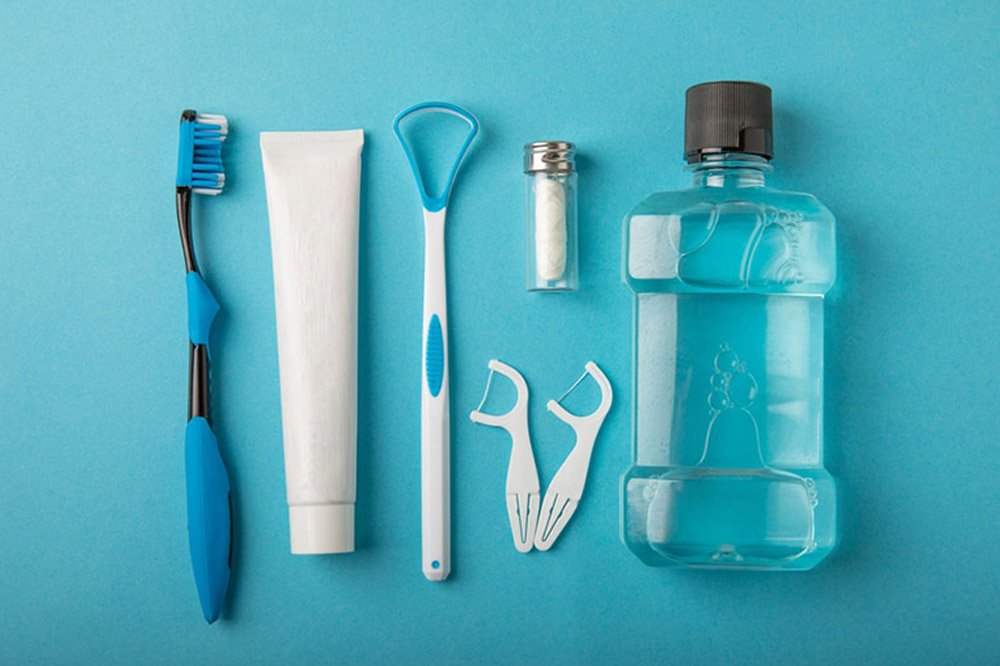
- Brush twice a day for a full 2 minutes with fluoride toothpaste. Use a soft-bristled brush and small, gentle circles along the gumline.
- Floss once a day. Move the floss in a C-shape around each tooth, sliding under the gumline.
- Clean your tongue from back to front with a scraper or your toothbrush.
- Limit frequent sipping on sugary drinks and constant snacking, especially in the evening.
Notice whether bleeding, breath, or that “fuzzy” feeling start to improve. Often, even this basic reset makes a real difference.
- Match your tools to your needs
If you are seeing several of the 6 signs it is time to upgrade your oral hygiene routine, consider whether your tools fit your situation.
- If you struggle with technique or have limited hand strength, an electric toothbrush can help you clean more thoroughly.
- If flossing is difficult, try floss picks, interdental brushes, or a water flosser.
- If you get frequent cavities, ask your dentist about higher fluoride toothpaste or rinses.
Think of this as tuning your routine instead of starting from scratch.
- Schedule a check-in with a dentist and bring your questions
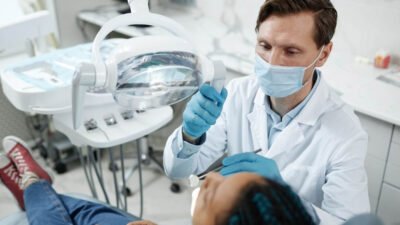
Even the best home routine benefits from a professional eye. If it has been more than a year since your last exam, or if you see multiple warning signs, schedule a visit with a general dental care provider.
At that visit, you can:
- Ask whether your bleeding, sensitivity, or bad breath suggest gum disease or other issues.
- Review your brushing and flossing technique. Many offices are happy to coach you for a few minutes.
- Discuss how your medications, medical conditions, or dry mouth might affect your oral health.
One honest conversation can clear up a lot of guesswork and help you focus on what matters most.
Moving forward with confidence and a stronger routine
If you recognize yourself in any of these signs, you are not alone, and you are not late. Oral health is not about perfection. It is about noticing when your current habits are no longer enough and being willing to make small, steady changes.
By upgrading your routine, choosing the right tools, and partnering with a general dentist, you give yourself a better chance at keeping your teeth, your comfort, and your confidence for many years. You deserve a mouth that feels clean, comfortable, and worry free when you smile, talk, or share a meal.
The next step is simple. Choose one change to make today, and if you need support, reach out to a trusted dental office to discuss your concerns and goals. Your future self will be grateful you did.