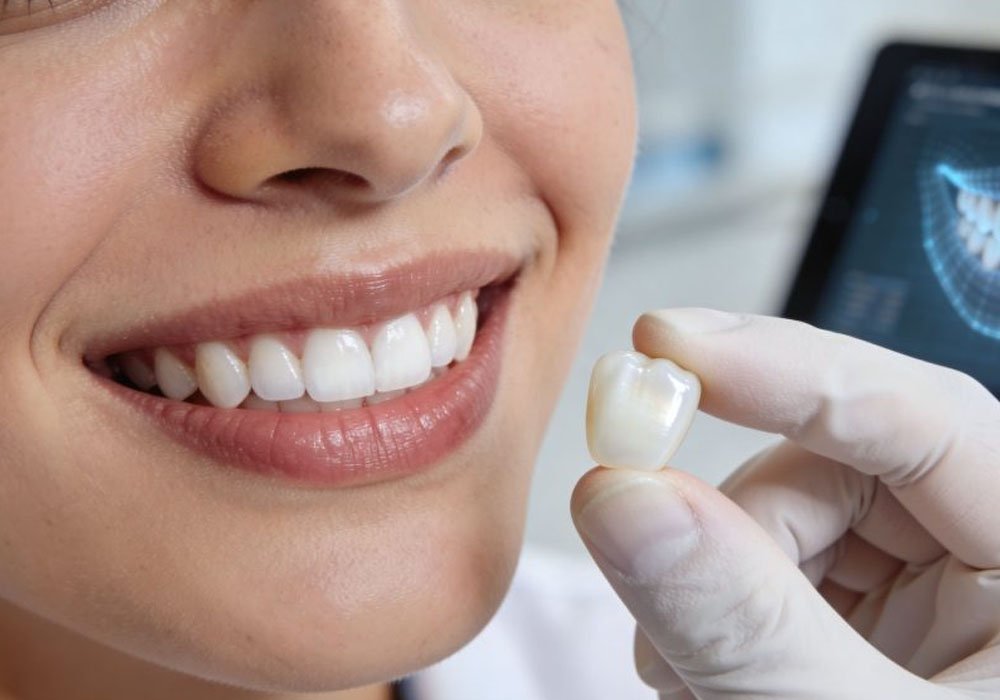
You might be feeling a mix of pride and worry right now. You finally invested in your smile, maybe with veneers, whitening, crowns, bonding, or even implants, or Richmond Hill teeth whitening, and for the first time in a long time you like what you see in the mirror. At the same time, a quiet question keeps popping up in your mind. How long is this actually going to last, and what if I mess it up?end
That tension is very common. You spent real money and emotional energy on cosmetic dentistry, and the last thing you want is to see stains return, edges chip, or gums recede around your new work. You might even catch yourself brushing too hard or avoiding certain foods, not because anyone told you to, but because you are scared of damaging your new smile.
The good news is that with a thoughtful approach, you can create long term maintenance plans that make cosmetic dentistry last. This is less about complicated routines and more about consistent, simple habits and honest checkups. You do not need to live in fear. You just need a clear plan and a dentist who works with you, not on you.
Why does a “new smile” feel so fragile, and is that feeling accurate?
Think about what changed. Before treatment, you may have hidden your teeth in photos, avoided social events, or covered your mouth when you laughed. After treatment, people start noticing your smile, complimenting you, and you begin to relax a little. That shift alone can feel almost unreal, which is why any small chip or stain suddenly feels like a big threat.
On top of that, cosmetic work can be expensive. If you paid for veneers or implants on a payment plan, you might feel pressure to protect every millimeter of enamel. The fear is that one bad habit or one forgotten checkup will undo everything.
So where does that leave you. Are you walking on eggshells forever. Not at all. Most cosmetic treatments are designed to be durable, but they still live in a real mouth, with real forces, habits, and health issues. Understanding those realities helps you stop worrying and start caring for your smile in a way that actually works.
What really wears down cosmetic dentistry over time?
Every smile is different, yet there are a few common patterns that quietly shorten the life of cosmetic work like veneers, crowns, bonding, whitening, and implants.
First, there is everyday wear. Teeth are tools. If you chew ice, bite pens, crack nutshells, or open packages with your teeth, you put extra stress on porcelain and composite materials. They are strong, but they are not unbreakable.
Second, there is grinding and clenching. Many people clench at night and do not know it. Over time this can chip edges of veneers, wear down crowns, and even loosen implant components. You might wake up with tight jaw muscles or headaches and not connect it to your dental work at all.
Third, there are staining habits. Coffee, tea, red wine, soda, and tobacco all leave their mark. Natural teeth and some cosmetic materials pick up color with repeated exposure. That does not mean you must give up everything you enjoy. It does mean you should understand what those choices do over ten or fifteen years, not just ten months.
Finally, there is gum and bone health. For implants in particular, long term success has a lot to do with how healthy the supporting bone and tissue stay. The FDA shares helpful information on what patients should know about dental implants, their risks, and long term considerations. Even the best cosmetic work fails if the foundation is not stable.
Because of all this, the question is not “Will my cosmetic dentistry fail.” The better question is “What can I do, consistently, to help it last as long as possible.”
How do long term maintenance plans actually protect your investment?
A strong maintenance plan does not need to be complicated. It simply brings together your daily habits at home, your regular visits with a family and cosmetic dentist, and a few protective tools like night guards or specific cleaning methods.
For example, if you have implants, you will want a clear plan for how to keep the tissue around them healthy. Academic centers such as the University of Pittsburgh and Creighton University share useful education on long term implant care and follow up and on daily cleaning and maintenance of dental implants. Even if you are not a clinical patient there, the core ideas apply to you too.
The same thinking applies to veneers or crowns. You do not need special skills. You need clear guidance. How to brush. What kind of floss or interdental cleaner to use. Whether a night guard makes sense. How often to schedule professional cleanings. When those pieces come together, your cosmetic dental work longevity improves dramatically.
What choices really matter over 10 years vs 1 year?
Some choices feel small but add up over the long term. To make that clearer, it helps to see how different approaches affect how long your smile stays bright, healthy, and comfortable.
| Approach | Short Term (1 year) | Long Term (10+ years) | What usually happens |
| Regular care with a family and cosmetic dentist | Smile stays clean and polished. Small issues caught early. | Most veneers, crowns, and implants last closer to their full expected lifespan. | Fewer emergencies. Lower overall cost because problems stay small. |
| “As needed” visits only when something hurts | Smile may still look good at first. Hidden problems begin. | More sudden fractures, gum problems, or staining that requires retreatment. | Higher cost all at once. More stress and time in the chair. |
| Strong home care but no protective tools (no night guard, etc.) | Teeth and restorations look good day to day. | Grinding and bite forces can shorten the life of cosmetic work. | Chips, cracks, or loose work show up earlier than expected. |
| Weak home care plus frequent staining habits | Stains return quickly. Gums may get tender or bleed. | Higher risk of decay at the edges of restorations. Possible implant problems. | Retreatment or replacement needed sooner. Results feel disappointing. |
Seeing it laid out this way, you can probably sense that your daily choices and your follow up schedule matter more than any single product. Your smile does not need perfection. It needs consistency.
Three practical steps to keep your cosmetic dentistry beautiful longer
- Build a gentle, consistent home routine
Use a soft bristle toothbrush and non abrasive fluoride toothpaste. Scrubbing hard does not clean better. It simply wears away enamel and can irritate gums and the edges of veneers or crowns. Aim for two minutes, twice a day. Add floss or interdental brushes once a day to clean where your brush cannot reach. For implants, ask your dentist which tools are safest around the metal or ceramic components.
If you drink coffee, tea, or red wine, try to rinse with water afterward. If you smoke, know that quitting is one of the biggest gifts you can give your long term oral health, not just your cosmetic work.
- Partner with a dentist who understands cosmetic maintenance
Not every office puts the same emphasis on long term follow up for cosmetic work. Look for a practice that offers both general care and cosmetic options, because they are more likely to think about your whole mouth, not just one procedure. Regular checkups allow your dentist to spot small changes in bite, early chips, or gum irritation around restorations.
Ask specific questions. How often should I come in with the work I have. Do you recommend a night guard. What signs should I watch for at home. When you and your dentist are on the same page about your cosmetic dentistry care plan, you are much more likely to protect your investment.
- Use protective tools and be honest about your habits
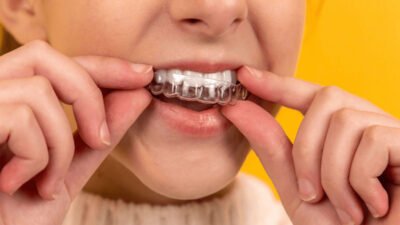
If you clench or grind, a custom night guard can dramatically extend the life of veneers, crowns, and natural teeth. It absorbs some of the force that would otherwise go straight into your smile. If you play sports, a mouthguard is just as important. One elbow or ball to the face can undo years of careful work in a second.
Be open about habits like nail biting, chewing ice, or using your teeth on objects. Your dentist is not there to judge you. The goal is to find practical workarounds. Even simple changes, like keeping a small tool for opening packages or switching from ice chewing to chilled water, can add years to how long your cosmetic work looks and feels good.
Holding on to your new smile without living in fear
Your smile is more than porcelain, composite, or implants. It is how you show up in the world. It is the way you laugh with people you care about. Feeling worried about protecting it is completely understandable, especially if you have gone a long way to get here.
With steady habits at home, honest conversations with a trusted dentist, and a few smart protective choices, you can make your cosmetic dentistry last far longer than you might think right now. You do not have to be perfect. You just have to be intentional.
If you are unsure where to start, schedule a visit with a family and cosmetic dentist and ask for a personalized long term maintenance plan. Bring your questions. Bring your worries. A good partner will walk through your options with you, so your smile stays strong, comfortable, and confident for many years to come.