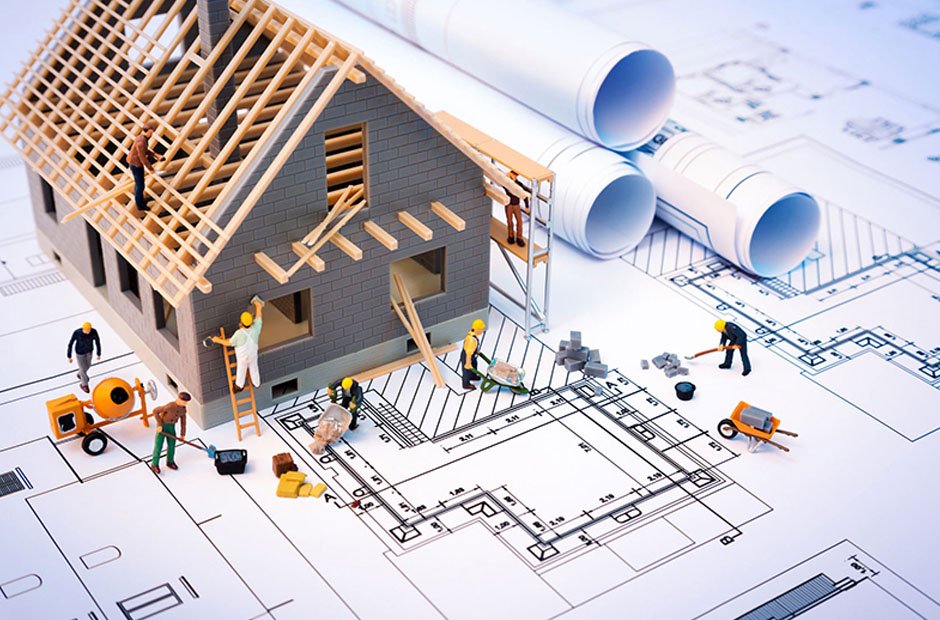
It’s not on the construction site that the most costly mistakes are made. It’s in the months or weeks before construction begins, and any task is even broken. Getting these seven elements right early doesn’t just shield your budget, it is dictating the performance of the building’s completion just as it was intended to perform.
1. Site Analysis Before Anything Else
Begin with the soil, not the plans. An adequate site analysis includes the soil bearing capacity, drainage tendencies, incline, and natural elements such as prevailing winds, coastal salt, or seismic conditions. These considerations will influence your foundation and construction material details. Neglecting them during this phase will lead to costly adjustments post-construction.
For instance, if you’re building near the coast with high salt exposure, you will need to use corrosion-resistant elements and mechanically sealed openings all over the structure, not a design choice but a necessity.
2. Regulatory Compliance From Day One
Zoning laws, setback requirements, height restrictions, and building codes aren’t things to try to work around. They’re the edge of your building. The further you design outside that edge, the more rework you’ll have, and it grows exponentially.
Fire safety compliance is a specific area to focus on in commercial and high-rise work. Non-combustibility requirements for exterior materials are increasingly strict around the world, and a mandatory requirement in almost all cases. Fireboard protection will no longer work for insulation products in rainscreen designs in many countries so you need to make sure your design insulation (and particularly the fixings into the building’s structure) meets the toughest requirements on the table and is tested to local standards at the beginning of the design process, not a month before construction starts.
3. The Building Envelope and Material Selection
The building envelope, which acts as a separation between the conditioned interior and the outside environment, will likely impact long-term operational expenses more than any other element of design. A “fabric first” outlook regards the envelope as a performance-lead, not a final decision.
This is when the building facades and cladding choices start to matter. They not only establish the aesthetic signature of the building but determine the work the HVAC system will do for its entire life. High-performance cladding systems with suitable thermal breaks and weather sealing help to reduce heat gain, limit moisture penetration, and reduce the mechanical load on HVAC systems year after year.
Make the choice correctly during pre-construction, with final material selections in place, and there will be no need to shave costs and performance levels from the envelope during construction.
4. Multi-Disciplinary Collaboration Through BIM
Design coordination during the BIM process has made a difference in the kind of pre-work that can be done.
But design-stage coordination can only achieve so much, design labor hours are precious, and you can’t explore every viable construction scenario when you’re still deciding on the build. The more detailed you get during design, the more the construction phase will reflect that detail; that’s the whole pay-me-now or pay-me-later story in a nutshell. You save on rework during construction, but with all that added detail, you add cost.
5. Life Cycle Cost Analysis Over Purchase Price
The wrong measure is how much it costs to get through the door. The real measure is how much you’ll pay over the time you’re in the building.
Typically, the cost of getting through the door is about tenfold your annual occupancy costs. The purchase of proprietary leathers, finishes, or surface treatments would show up in the tenfold figure. These more expensive materials can increase the aesthetic appeal and improve the performance and appearance retention of finishes; however, when evaluated against their performance-based or commodity-based counterparts, they can also drive up the actual cost of the building.
As for Life Cycle Costing, it’s important not to confuse the concept with assessing a 30- or 40-year time horizon when calculating whether an investment was appropriate. Loads of investments in a home or office expire or are sold within much less than 30 or 40 years, and an appropriate economic window can probably be substantially less than 20 years. Assets that owners expect to retain for many decades, on the other hand, are the ones that warrant the most investment in durability and technologies.
6. Feasibility and Value Engineering in Parallel
Optimizing the cost as you go removes unnecessary cost elements from the design before it becomes too fixed. It’s no surprise the most successful projects are adopting this as best practice.
7. Stakeholder Alignment Before Design is Locked
One of the most frequent causes of late-stage design changes is misalignment between the developer, the architect, and the end-user. The developer’s leasing requirements, the architect’s structural assumptions, and the engineer’s services layout all have to be reconciled before the design is frozen, not negotiated during construction documentation.
Stakeholder reviews facilitated at each key milestone in the design process establish shared accountability and significantly reduce the likelihood that somebody’s “showstopping” critical requirement comes to light too late to incorporate without generating rework.
Pre-construction design is not overhead. It is simply that phase in the project lifecycle when the cost to change your mind is lowest and the value of an optimal decision is highest. Every hour spent working out a conflict on paper is a day never lost on the construction site.