Key Takeaways
- Understanding the different classes of fire extinguishers is crucial for effective fire safety.
- Proper placement and installation of fire extinguishers can significantly enhance their effectiveness.
- Regular maintenance and adherence to safety guidelines ensure fire extinguishers function correctly during emergencies.
Effective fire safety starts with a solid understanding of the types of extinguishers available and the best practices for their installation. Whether you are managing fire safety in a commercial building or your own home, knowledge is a powerful tool that can protect property and save lives. To keep fire extinguishers in optimal working order, it’s also important to know when a fire extinguisher replacement may be necessary. In this guide, you’ll learn how to match extinguishers to hazards, ensure they are installed correctly, and implement a maintenance plan that keeps everyone safe.
Extinguishers play a key role in the first response to a fire emergency. However, their effectiveness depends only on the surrounding safety protocols and the understanding of those who use them. Making informed decisions isn’t simply a matter of code compliance but about preserving lives and minimizing damage. Not only should you have the correct type of extinguisher for each potential fire source, but you must also know how to store, inspect, and operate them under stress.
Understanding Fire Extinguisher Classes
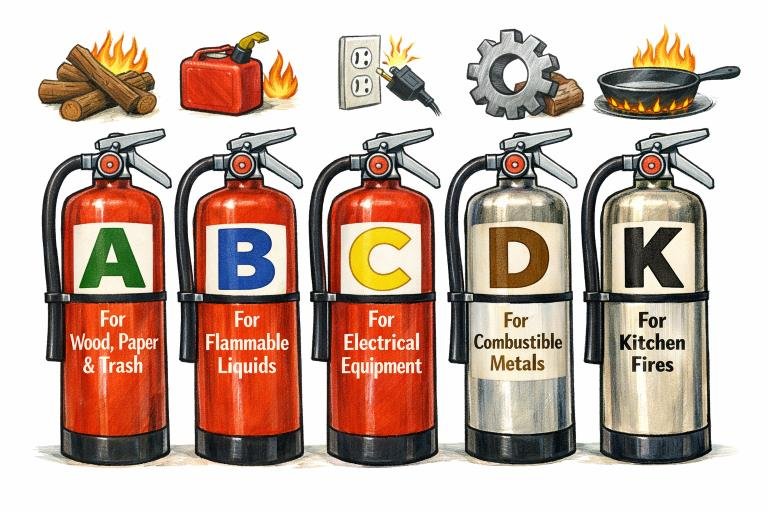
Fire extinguishers are classified by the type of fire they are designed to extinguish. Knowing the differences can be the difference between extinguishing a fire quickly and unintentionally making it worse:
- Class A:For ordinary combustibles like wood, paper, and cloth.
- Class B:Suitable for flammable liquids such as gasoline, oil, and grease.
- Class C:For electrical equipment fires where non-conductivity is crucial.
- Class D:For flames involving combustible metals such as magnesium or aluminum.
- Class K:Specially designed for kitchens, these handle high-temperature grease and cooking oil fires.
It’s essential to assess the risks in different environments to determine the appropriate extinguisher. For example, offices and workshops may require a mix of Class A, B, and C units, while a commercial kitchen must always have a Class K device on hand.
Strategic Placement and Installation
The placement of fire extinguishers can affect their accessibility and effectiveness in an emergency. Install extinguishers along expected paths of travel and close to exits. This way, anyone escaping a fire can easily grab a unit as they leave, increasing the chances of containing a blaze without blocking escape routes.
Visibility is another factor. Extinguishers should be mounted on walls in conspicuous spots, with signage indicating their location. The mounting height matters: extinguishers weighing up to 40 pounds should have their tops no higher than five feet above the floor. Heavier units should be mounted with the top no higher than 3.5 feet, and the bottom of any extinguisher should be at least 4 inches above the floor. More details on safe placement can be found on the National Fire Protection Association (NFPA) website.
Proper installation also means avoiding hidden or obstructed locations. Avoid placing extinguishers behind doors, in closets, or behind furniture to avoid delays during an emergency. Each unit should be easily accessible within 75 feet, or closer if required by local codes for high-risk areas.
Regular Maintenance and Inspection
Without regular care, even the best extinguisher will fail when needed most. Monthly visual inspections help ensure each unit remains in good condition and ready for use. Check that each extinguisher is in its designated spot, easily accessible, and shows no signs of physical damage. The tamper seal and pin should be intact, and the pressure gauge, if present, must be within the operational range.
In addition to monthly checks, extinguishers require annual maintenance by a certified technician, who will examine the mechanical parts, the extinguishing agent, and the expelling means. Depending on the type and manufacturer’s recommendations, hydrostatic testing (a pressure test for the extinguisher’s cylinder) may be required every 5 to 12 years to verify its structural integrity.
Training and Proper Usage
Having extinguishers on-site is only part of the solution. Ensuring everyone knows how to use them is just as important. The PASS technique serves as a universal method for operation:
- Pullthe pin to release the tamper seal.
- Aimlow, pointing the nozzle at the base of the fire.
- Squeezethe handle to discharge the agent.
- Sweepfrom side to side at the base until the flames are extinguished.
Regular safety drills and hands-on training should be part of every workplace or household preparedness plan. For additional resources on fire safety education, consider reading guidance provided by the Occupational Safety and Health Administration (OSHA).
Compliance with Regulations
Businesses and homeowners must comply with all local fire codes, which govern the type, placement, and maintenance of fire extinguishers. OSHA offers detailed requirements for workplaces, but it’s important to check with local fire authorities to ensure your setup meets or exceeds baseline standards. Regular reviews and inspections help maintain compliance and provide peace of mind, knowing your fire safety strategies are up to date.
Environmental Considerations
Some traditional extinguishing agents can negatively impact the environment if discharged. Clean-agent and water-mist extinguishers are safer alternatives that suppress fires effectively while minimizing environmental impact. When selecting new extinguishers, look for eco-friendly certifications and proper disposal options for old units to ensure responsible fire safety management.
Conclusion
Modern fire safety depends on a combination of the right products, smart installation, ongoing maintenance, and regular training. By choosing the right extinguisher for each area, ensuring prompt replacement when needed, and staying up to date on education and local regulations, you create safer environments for everyone. Diligence in these areas reduces future risks, protects property, and saves lives.