You know your pet’s rhythm better than anyone. You notice the slower rise from bed, the pause before the stairs, the shorter walks that used to feel easy. You may also be wondering whether this is normal aging or the start of something that needs medical attention. That uncertainty wears on people. At Langley animal hospital, you do not want to overreact, and you do not want to miss something your pet is quietly living with every day.
Senior pet checkups give you a clearer picture of what has changed, what can be managed, and how to keep daily life comfortable. For many older dogs and cats, the goal is not chasing a younger version of them. The goal is steady comfort, safe movement, good appetite, restful sleep, and routines that still feel familiar and calm.
Comfortable walks and daily routines often reveal the first signs of change
Aging pets do not always show pain in obvious ways. They adapt. A dog that used to trot to the door may hesitate, then keep going. A cat may stop jumping onto the couch and choose the floor instead. You might see a pet who still wants the walk, but tires halfway through, lags behind, or seems stiff later that night. Those details matter because they often point to arthritis, weight changes, heart issues, dental pain, sensory decline, or cognitive changes.
The harder part is that many of these signs build slowly. A shorter walk does not always look alarming on day one. After a few months, your pet’s world can become smaller without you fully realizing it. That is where regular exams help. A senior wellness exam for pets can uncover patterns that are easy to miss at home, especially when bloodwork, weight trends, mobility checks, and behavior changes are reviewed together. The University of Georgia outlines how senior wellness services often focus on early detection and quality of life.
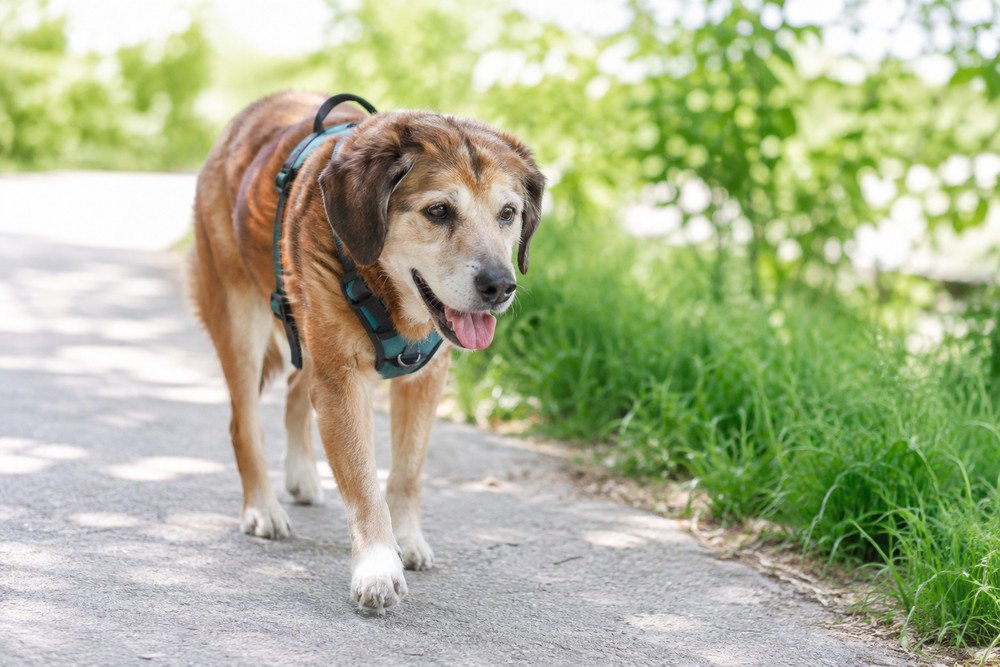
Walks are one of the best daily check-ins you have. A comfortable walk for an older dog is often slower, shorter, and more predictable. That does not mean less meaningful. It means matching the pace to your pet’s body. If your dog is pulling less, stopping more, or struggling after the walk, pushing for the old routine can leave them sore for the rest of the day. The same idea applies indoors for cats and dogs. Daily routines should support comfort, not test endurance.
General veterinarian visits help separate normal aging from treatable problems
People often assume slowing down is just age. Sometimes it is. Sometimes it is pain, high blood pressure, thyroid disease, kidney disease, vision loss, or cognitive decline. A general veterinarian visit helps sort that out before a small issue becomes a harder one.
Cognitive changes can be especially confusing because they do not always look dramatic at first. A pet may pace at night, seem lost in familiar rooms, stare at walls, forget house training, or act withdrawn. Cornell’s overview of senior dog dementia describes how these behavior shifts can affect sleep, interaction, and orientation. Texas A&M also explains how aging pets with cognitive decline may need more support, more consistency, and a home setup that reduces stress.
That can hit people hard. A pet who has always known the house suddenly seems unsure, and the change feels personal even when it is medical. The right response is not guilt. It is observation, documentation, and a medical conversation. Senior exams create a place for that conversation, and they often lead to practical changes that make home life easier.
The AVMA’s senior pets guide also notes that older pets benefit from more frequent monitoring because age related conditions can progress quickly between annual visits. For many pets, twice yearly checkups make more sense than waiting a full year.
Small routine changes can protect comfort and independence
Once a pet starts aging, daily routines matter more than people expect. The right routine lowers strain on joints, supports digestion, reduces anxiety, and gives you a better sense of what is normal for your pet. The wrong routine can leave an older pet overstimulated, overtired, sore, or disoriented.
| Daily area | Less helpful approach | More supportive approach |
|---|---|---|
| Walks | One long walk with uneven pace | Two or three shorter walks on a steady route |
| Exercise | Weekend bursts of activity | Gentle movement every day |
| Sleeping area | Slippery floors and hard to reach spots | Padded bedding in an easy access area |
| Meals | Irregular feeding times | Consistent schedule with monitored appetite and water intake |
| Behavior changes | Waiting for symptoms to become obvious | Tracking sleep, pacing, accidents, confusion, and stiffness |
This is the heart of comfortable walks for older pets. You are not removing activity. You are shaping it so your pet can recover well and stay engaged. A senior dog may do better on grass than pavement. A senior cat may need steps to reach a favorite window instead of repeated jumping. Routine changes like these can preserve confidence because your pet is still doing the things they enjoy, just with less strain.
Three steps you can take before the next senior pet exam
Track the changes you see. Write down how long your pet walks before slowing, whether they limp after rest, any changes in appetite, thirst, sleep, confusion, accidents, or restlessness at night. Patterns tell a clearer story than memory alone.
Adjust the routine before your pet is exhausted. Shorter walks, more traction at home, easier access to food and water, and a stable daily schedule can reduce discomfort right away. If your pet seems better with these changes, that is useful information to bring to the appointment.
Schedule regular senior pet care, not just sick visits. Older pets often need proactive care, not only treatment once something becomes urgent. Routine exams, lab work, weight checks, and mobility discussions give you a better chance of catching problems early.
Steady care supports better days for senior pets
Older pets rarely ask for less love. They ask for a little more understanding. When comfortable walks become shorter and daily routines need adjusting, that is not failure. It is care that matches the stage of life your pet is in now. With regular pet wellness visits for seniors, good observation at home, and a routine built around comfort, many aging pets stay connected, curious, and content for a long time.
If your pet is moving differently, sleeping differently, or just seems a little less like themselves, schedule a senior checkup with a general veterinarian and bring your notes. Clear answers often start with the small changes you have already noticed.