

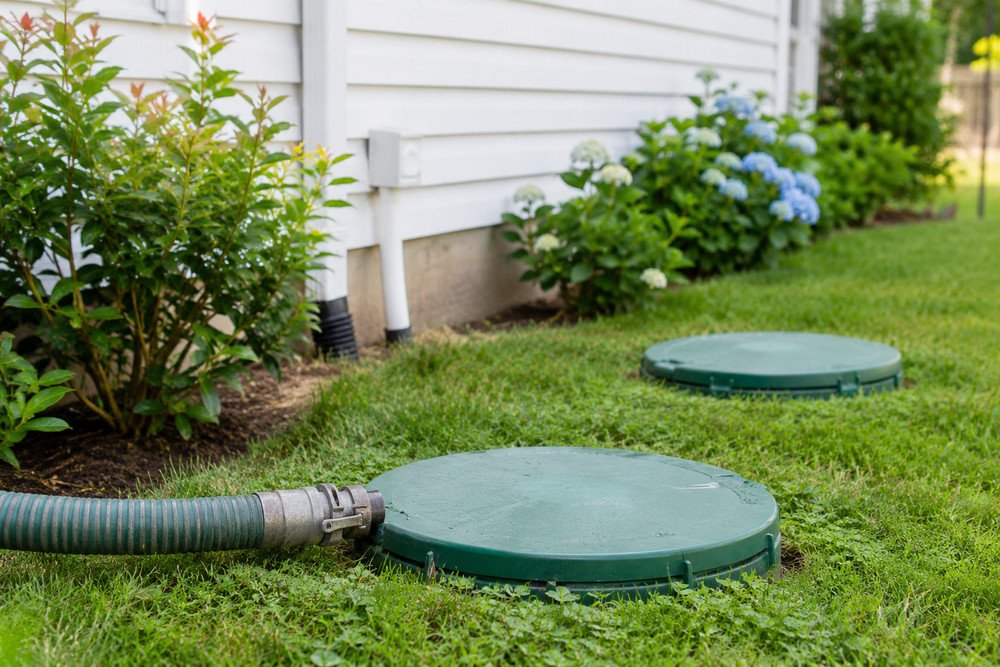
Septic systems can develop problems long before wastewater starts backing up into the house. Years of household waste, grease, and other materials collecting inside the tank can affect how well it separates solids from liquid wastewater. Regular pumping helps control that buildup and can prevent several common issues from turning into expensive repairs.
Too Much Sludge Leaves Less Room for Wastewater Treatment
Solid waste naturally settles at the bottom of a septic tank, forming a layer of sludge that grows with continued household use. Although bacteria break down part of this material, they cannot eliminate everything. Eventually, the accumulated sludge reduces the space available for wastewater to settle and separate properly.
As the layer thickens, incoming wastewater has less room to move through the tank without disturbing settled particles. Those particles may reach the outlet and travel toward the drain field. Professional septic tank pumping services remove accumulated solids before they interfere with the tank’s normal treatment process.
Grease and Scum Buildup Near the Tank Outlet
Cooking oils, fats, soap residue, and other floating materials collect near the wastewater surface. This upper layer, known as scum, serves a normal purpose by keeping floating waste separated from the liquid that leaves the tank.
Trouble develops when excessive scum approaches the bottom of the outlet baffle or sanitary tee. Greasy material can then escape into the outlet piping, increasing the risk of restrictions and clogged effluent filters.
Removing the accumulated scum during scheduled pumping helps maintain the separation needed for proper wastewater treatment. Technicians can also inspect the outlet components for signs of grease accumulation or damage.
Can Pumping Help With Persistent Sewage Odors?
Unpleasant smells around a septic tank may come from damaged access covers, poorly sealed risers, or wastewater reaching the ground surface. Excessive waste accumulation can contribute to maintenance problems, but odor alone does not prove the tank needs emptying.
A professional inspection helps determine whether pumping is appropriate. Technicians may find excessive sludge, leaking covers, or problems with the outlet system that require separate attention. Removing accumulated waste can address overdue maintenance, while damaged seals or other defects need repairs to stop odors from escaping.
Solids Escaping Into the Drain Field
The drain field receives liquid wastewater from the septic tank and allows surrounding soil to filter and treat it. Under normal conditions, outlet baffles prevent much of the floating and settled waste from leaving the tank.
Neglected pumping allows sludge and scum layers to grow closer to the outlet opening. Suspended particles may then enter the distribution pipes and contribute to clogging in the surrounding soil.
Routine waste removal lowers the risk of solids reaching the drain field. However, pumping cannot reverse severe soil clogging once the absorption system has already sustained significant damage.
Clogged Effluent Filters From Excessive Waste
Many septic tanks contain an effluent filter near the outlet to capture solids before they reach the drain field. Over time, trapped particles can collect on the filter and restrict wastewater flow.
Blocked filters may cause the liquid level inside the tank to rise above normal. A septic pumping company can inspect and clean accessible filters during scheduled maintenance, while removing accumulated tank waste helps reduce the amount of material reaching the filter.
Proper filter cleaning requires careful handling so trapped solids do not wash into the outlet pipe. Technicians also check whether damaged or missing components need replacement before returning the system to service.
Why Pumping Helps Prevent More Expensive Septic Problems
Delayed maintenance increases the chance of sludge accumulation interfering with wastewater separation. Once solids escape into underground pipes or the drain field, the resulting repairs can cost considerably more than routine tank cleaning.
Household size, tank capacity, and water consumption all influence how frequently pumping becomes necessary. Properties with several occupants or heavy laundry usage may need more frequent service than smaller households with similar tank sizes.
Rather than waiting for drainage problems, homeowners can have a technician measure accumulated sludge and scum to determine an appropriate pumping schedule.
Finding the Right Service Before Problems Get Worse
Searching for septic tank service near me is often the first step homeowners take after noticing slow drains, unusual odors, or overdue maintenance. A qualified provider should evaluate the tank’s condition and explain whether pumping, component cleaning, or additional repairs are needed.
For homeowners in Huntsville, Alabama, and nearby communities, Cora Environmental offers septic tank pumping and related maintenance services. Regular service can help remove accumulated waste, protect the tank’s internal components, and reduce the risk of preventable septic problems affecting the rest of the system.


