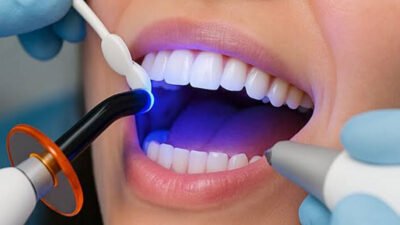
You might be doing your best to brush, floss, and avoid too much sugar, yet still worry every time you feel a twinge in a tooth or notice sensitivity with cold drinks. That kind of quiet stress is common. Dental problems often build slowly, and by the time you notice them, the fix can feel bigger, more painful, and more expensive than you expected. The good news is that a few steady habits and the right care can lower that risk. In simple terms, the strongest approach is to focus on daily cleaning, fluoride, sealants when they make sense, and regular visits with a general dentist before small issues turn into larger ones. For patients also interested in facial aesthetics, some practices may offer dermal filler injections in Hoffman Estates.
Why do stronger teeth often come down to prevention, not repair?
It is easy to think of dental care as something you deal with only when there is pain. But teeth usually do not fail all at once. Plaque collects along the gumline, enamel slowly weakens, and tiny areas of decay can grow without obvious symptoms. Because of that, waiting for a problem to announce itself often means you are already behind.
So, where does that leave you? It means prevention is not about perfection. It is about reducing the chances that everyday wear, bacteria, and missed spots turn into cavities, gum irritation, or cracked enamel. Preventive dentistry strategies work best when they are simple enough to repeat and strong enough to protect your teeth over time.
Think about a common example. You skip flossing for a few weeks because life gets busy. Nothing seems wrong at first. Then your gums bleed a little, food starts getting trapped, and a cleaning visit becomes more uncomfortable than usual. That is how many oral health problems begin, quietly and gradually.
What are the four preventive dental care habits that matter most?
The first strategy is consistent brushing and flossing. That sounds basic because it is, but it is also the foundation. Brushing twice a day with fluoride toothpaste helps remove plaque before it hardens into tartar, and flossing reaches the spaces your toothbrush cannot. The National Institute of Dental and Craniofacial Research offers a helpful guide to oral hygiene habits that support healthier teeth and gums.
The second strategy is fluoride. If enamel is your tooth’s outer shield, fluoride helps strengthen that shield and can even help reverse very early tooth decay. This matters for both children and adults, especially if you are prone to cavities or dry mouth. You can learn more about how fluoride protects teeth and why it remains one of the most trusted tools in cavity prevention.
The third strategy is dental sealants. Deep grooves on back teeth can trap food and bacteria even when brushing is fairly good. Sealants place a thin protective coating over those chewing surfaces, which helps block decay before it starts. They are often associated with children, but some adults may benefit too, depending on cavity risk and tooth anatomy. The CDC explains the value of dental sealants for prevention in a clear, practical way.
The fourth strategy is regular checkups and cleanings with a general dentist. Home care matters, but it cannot remove hardened tartar, and it cannot always catch early decay, gum changes, or bite issues. Routine visits give you a chance to spot problems early, when treatment is usually simpler and less costly.
How do these tooth decay prevention methods compare in real life?
When you are trying to protect your teeth, it helps to know what each step actually does. Some methods work every day at home, while others add a layer of professional protection. Together, they create a stronger plan than any one step alone.
| Strategy | What It Helps Prevent | Best Use | Why It Matters |
| Brushing and flossing | Plaque buildup, cavities, gum irritation | Every day, morning and night | Removes bacteria before it causes damage |
| Fluoride | Enamel weakening, early decay | Daily toothpaste, and sometimes rinses or treatments | Strengthens enamel and supports repair of early damage |
| Sealants | Decay in back teeth grooves | As recommended after an exam | Creates a barrier where brushing may miss |
| Dental checkups | Hidden decay, tartar, gum disease | Usually every six months, or as advised | Catches problems early and keeps buildup under control |
If you are wondering whether one step matters more than another, the honest answer is that they support each other. Brushing without fluoride leaves enamel with less support. Fluoride without flossing still leaves plaque between teeth. Checkups without daily care may lead to repeat problems. Stronger teeth prevention usually comes from layering these habits, not choosing just one.
What can you do today to protect your teeth before problems start?
- Tighten up your daily routine.
Brush twice a day for two minutes with fluoride toothpaste, and floss once a day. If you keep forgetting, attach the habit to something fixed, like brushing right after breakfast and right before bed. Small consistency beats occasional effort.
- Ask about your personal cavity risk.
Not everyone has the same risk level. Dry mouth, frequent snacking, past dental work, grinding, and gum recession can all change what your teeth need. During your next visit, ask whether you would benefit from added fluoride support or sealants on vulnerable teeth.
- Stop postponing routine visits.
If it has been a while, you are not alone. Many people put off cleanings because of time, cost, or anxiety. But routine care is often the point where small issues stay small. That is one of the most practical preventive oral health decisions you can make.
What does all this mean for your long term dental health?
You do not need a perfect mouth care routine to build stronger teeth. You just need a steady one. When you focus on the right habits early, you give yourself a better chance of avoiding pain, surprise treatment, and the stress that comes with both. A trusted general dentist can help you shape a plan that fits your risk level, your schedule, and your goals, so prevention feels manageable instead of overwhelming.
If you have been meaning to get back on track, now is a good time to schedule a visit and talk through which preventive steps make the most sense for you.