Key Takeaways
- Deep cleaning removes deeply embedded dust, allergens, and bacteria for better air quality.
- Mold growth in moisture-prone areas is reduced or eliminated with regular deep cleaning.
- Periodic deep cleaning preserves the quality and longevity of appliances and surfaces.
- A thoroughly cleaned and organized space supports mental well-being and productivity.
Maintaining a clean household goes beyond simple tidying and ensures both your comfort and overall health. A typical cleaning routine may tackle surface-level mess, but deep cleaning addresses the build-up of contaminants that can impact your enjoyment and even your safety at home. Engaging professional services like Deep Cleaning Services West Chester, PA can help you target these hidden trouble spots and ensure a healthy environment for your family.
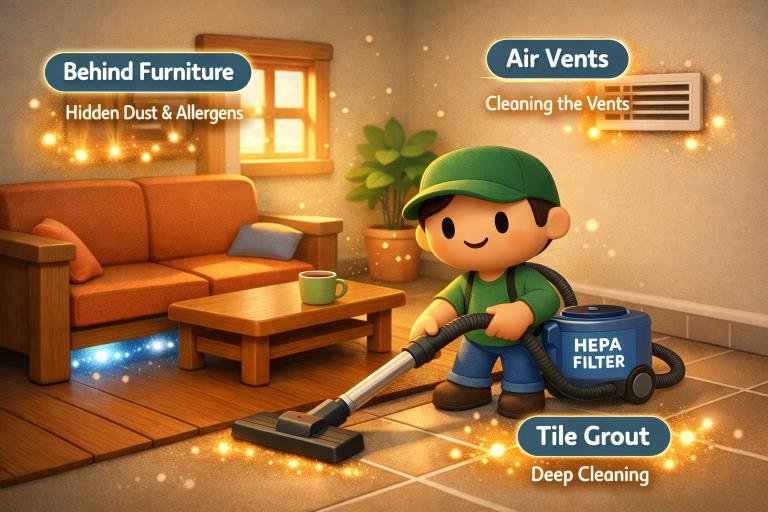
Deep cleaning differs from everyday chores by focusing on those spaces dust, allergens, and bacteria love to hide, such as behind kitchen appliances, inside air vents, and in the grout of bathroom tiles. By investing time and effort into a more comprehensive approach, you are actively reducing the risk of respiratory issues, fighting mold, and supporting your mental well-being.
Understanding Deep Cleaning
Deep cleaning is an intensive process that goes far beyond what you might accomplish with weekly chores. While regular cleaning keeps visible mess under control, deep cleaning targets the build-up that collects under furniture, behind heavy appliances, inside drawers, and along window sills. It tackles grime in hard-to-reach places, ensures hidden allergens are eliminated, and results in a living space that better supports health and comfort.
This methodical approach makes your home not only look clean but also feel and function as a more hygienic environment. For homeowners who care about indoor air quality, pest prevention, and asset longevity, deep cleaning is an essential practice.
One important aspect to note is that deep cleaning often involves specialized cleaning agents and equipment. Where general cleaning might involve all-purpose sprays and light dusting, deep cleaning may require steam cleaners, industrial-strength degreasers, or even HEPA-filter vacuums to address the hidden, stubborn buildup that accumulates in overlooked areas. Homeowners can reap the benefits of professional know-how, but many deep cleaning steps, such as moving furniture to vacuum beneath or tackling baseboards, can be incorporated into your own cleaning schedule every few months.
Improving Indoor Air Quality
Carpets, upholstery, HVAC vents, and drapes are magnets for invisible pollutants. Dust, dander, and pollen accumulate over time, leading to poor air quality that can trigger allergies and other respiratory concerns. Deep cleaning effectively removes these hidden contaminants from places traditional cleaning might miss, allowing your family to enjoy fresher air and reducing exposure to airborne bacteria and irritants.
According to the Environmental Protection Agency, improving indoor air quality can decrease the likelihood of certain chronic illnesses and enhance day-to-day comfort for residents, especially those with existing conditions like asthma or allergies. For more information on indoor air quality, you can visit the EPA’s guide to indoor air quality.
In addition, deep cleaning can help identify and reduce the sources of unpleasant odors that are sometimes masked by air fresheners. By thoroughly cleaning areas such as under beds, inside closets, and behind large furniture pieces, you further minimize allergens while promoting a more pleasant indoor environment. Homeowners with pets especially benefit from this approach, as pet hair and dander can easily become embedded in fabrics and hidden corners, impacting air quality and overall freshness.
Preventing Mold and Mildew
Bathrooms, basements, and kitchen sinks are frequent trouble spots when it comes to mold growth. These areas experience excess moisture, making them perfect breeding grounds for mold and mildew, which can have serious health consequences if left unchecked. Deep cleaning involves scrubbing away mold spores from tile grout, bathroom ceilings, and under sinks. It also means identifying (and fixing) sources of unwanted moisture that can contribute to future growth.
Regular attention in these high-risk locations helps preserve the structural integrity of your home and protects your family from respiratory conditions caused by long-term mold exposure. The Centers for Disease Control and Prevention offers a useful resource for homeowners on how to clean up mold safely and effectively.
Mold prevention also involves improving ventilation and controlling humidity levels throughout your home. Running bathroom fans, using dehumidifiers, and promptly addressing leaks all play critical roles. Deep cleaning scheduled at strategic intervals, such as with the changing of seasons, ensures you are inspecting vulnerable areas before issues escalate out of sight, leading to a healthier indoor environment and fewer costly repairs.
Extending the Lifespan of Home Surfaces
Every day wear and tear can be accelerated by the unnoticed accumulation of grime and debris. Floors, countertops, and major appliances are exposed to dirt and oil, which can erode finishes and obstruct moving parts. By routinely incorporating deep cleaning, you prevent these materials and surfaces from degrading faster than they should, ultimately lowering repair and replacement costs. Deep cleaning your appliances regularly can ward off inefficiencies and malfunctions, which translates to long-term savings.
Homeowners who proactively engage in deep cleaning often notice a marked difference in the performance of HVAC systems and kitchen equipment, as well-maintained systems are not forced to work as hard and are less likely to break down. By using specialized products designed for each surface type, you are not only enhancing appearance but also adding years to the life span of your investments. This practice also helps maintain higher property values and ensures your living spaces remain attractive and functional should you ever decide to move.
Enhancing Mental Well-being
Clutter and chaos at home can increase stress and decrease productivity. Deep cleaning is not just for physical health. There is a clear mental benefit to living in an organized, orderly environment. Reducing clutter and eliminating the stressors of unseen mess allows you to focus more clearly on your personal and professional life.
Multiple studies suggest that the process of cleaning itself can have therapeutic effects and that time spent in a cleaner space can result in reduced stress, better sleep, and a brighter mood overall. These improvements are key to enjoying your home as a sanctuary of comfort and peace.
Additionally, making deep cleaning a family or group activity can foster a sense of accomplishment and cooperation. Assigning tasks, setting goals, and working together toward a healthier environment encourages positive relationships and can teach valuable life skills to children and young adults. Maintaining a routine of cleanliness helps instill lifelong habits that contribute to well-being and satisfaction on both personal and collective levels.
Conclusion
Making deep cleaning a regular part of your home care routine is essential for a healthy, happy living space. You remove harmful contaminants, create a safer physical environment, and support your own peace of mind. Taking time to focus on the less visible aspects of cleanliness pays dividends over time, whether through fewer repairs, less illness, or simply enjoying a fresh, orderly home.
In summary, deep cleaning is an investment in your family’s long-term wellness, financial stability, and happiness. By addressing what you cannot always see, you create a healthier and more enjoyable environment that continuously pays off. Consider scheduling periodic deep cleans, either on your own or with professional services, to experience all of these benefits in your home throughout the year.