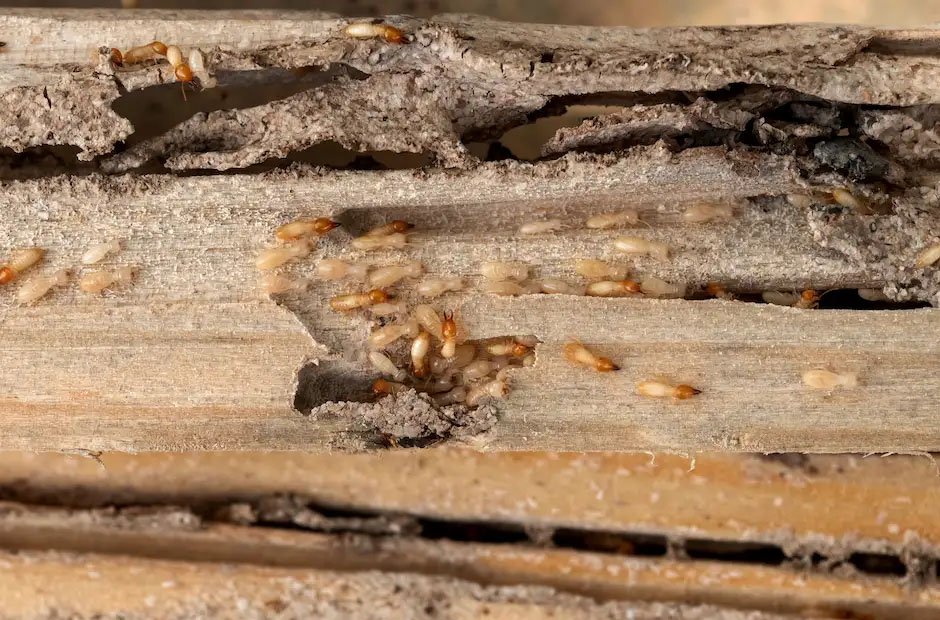
When people think of termites, they often associate them with warm weather, assuming these pests are only active in spring or summer. While it’s true that termite swarms are more visible in warmer months, the reality is that termites don’t simply disappear when temperatures drop. In fact, termites can remain active all year long, continuing to feed and expand their colonies regardless of the season.
Understanding why termites stay active year-round is essential for homeowners who want to protect their property. Being aware of the environments that termites favor can help you act early and avoid costly repairs. Because termites remain active year-round, scheduling a real estate termite inspection is essential to ensure properties are protected from infestations regardless of the season.
Termites Don’t Hibernate
Unlike some insects that go dormant in colder weather, termites do not hibernate. Instead, they adapt to their environment to survive. Many species, especially subterranean termites, live below ground where temperatures remain more stable. The soil acts as insulation, protecting them from extreme weather changes.
This means that even in the middle of winter, termites can continue feeding on wood structures without interruption. While you may not see them, they are often still active behind walls, under floors, or within your home’s foundation. Since termites are active year-round, investing in professional termite extermination is crucial to protect your home from continuous damage, no matter the season.
Indoor Environments Keep Them Active
Modern homes provide ideal conditions for termites year-round. Heating systems keep indoor temperatures warm even during the coldest months, creating an environment where termites can thrive. Once termites find their way inside, they are no longer dependent on outdoor weather conditions. They can move through walls, ceilings, and wooden structures where temperatures remain consistent. This lets them continue their activity year-round without interruption, causing damage.
Because of this, it’s common for homeowners to overlook termite activity until significant destruction has occurred.
Moisture Plays a Major Role
Moisture is one of the most important factors in termite survival. Termites need a certain level of humidity to prevent their bodies from drying out.
During colder months, moisture sources such as:
- Leaky pipes
- Condensation
- Poor ventilation
- Damp basements or crawl spaces
It can create the perfect environment for termite activity. Even if outdoor conditions are dry or cold, indoor moisture can support termite colonies and allow them to thrive.
In many cases, moisture problems actually increase during winter due to less ventilation and more indoor heating, which can create hidden condensation.
Subterranean Termites Stay Protected Underground
Subterranean termites are the most common type found in many areas, and their behavior plays a major role in year-round activity. These termites build their colonies underground, where they are protected from temperature extremes.
When the weather gets colder, they move deeper into the soil, where it stays warmer. From there, they continue to access food sources through mud tubes that connect their colony to your home.
This underground lifestyle allows them to remain active even when surface temperatures drop significantly.
Swarming May Slow Down, But Activity Continues
One reason people believe termites are only active in warm months is that they swarm during those months. Swarmers, winged termites that leave the colony to reproduce, are most visible in spring and early summer.
However, swarming is just one part of the termite life cycle. Even when swarms are not happening, worker termites continue feeding and maintaining the colony. This ongoing activity is the main cause of structural damage.
In other words, just because you don’t see swarmers doesn’t mean termites aren’t present.
Termites are not the only pests that stay active when the weather changes. Many other insects and rodents also seek shelter inside warm walls during these times. Homeowners often benefit from a broader approach to home maintenance that addresses multiple pests at once. Combining termite inspections with general pest control helps protect the entire property from various winter invaders. This combined strategy keeps your living spaces safe and clean throughout the year.
Hidden Activity Makes Them Hard to Detect
Another reason termite activity goes unnoticed in colder months is that it happens out of sight. Termites work from the inside out, often staying hidden within wood, walls, and foundations.
During winter, people tend to spend more time indoors, but termite activity remains subtle. There are usually no obvious signs unless you know what to look for, such as:
- Hollow-sounding wood
- Bubbling or peeling paint
- Mud tubes along walls or foundations
- Warped doors or floors
Because these signs can be easy to overlook, infestations can grow significantly before being discovered.
Why Year-Round Prevention Is Important
Since termites are active year-round, prevention should not be limited to a single season. Waiting until spring to think about termite control can give colonies months of uninterrupted activity.
Taking a proactive approach helps reduce the risk of long-term damage. This includes:
- Regular inspections to catch early signs
- Fixing moisture issues promptly
- Maintaining proper ventilation
- Keeping wood and soil separate around your home
- Sealing cracks and entry points
Consistent maintenance is key to keeping your home protected year-round.
The Cost of Ignoring Off-Season Activity
One of the biggest risks of assuming termites are inactive in winter is delayed action. While homeowners wait for warmer months, termites continue feeding and expanding their colonies.
Over time, this can lead to significant structural damage that is costly to repair. What begins as an overlooked problem can quickly grow into a major concern. Understanding that termites never truly “take a break” can help you stay vigilant and avoid unexpected repairs.
Final Thoughts
Termites are far more resilient than many people realize. While their activity may be more visible during warmer months, they remain active year-round by adapting to their environment. Whether it’s the warmth of your home, the insulation of soil, or the presence of moisture, termites can find ways to survive and continue damaging wood structures in every season.
By recognizing that termite activity is not limited to one time of year, homeowners can take a more proactive approach to prevention. Staying aware of the conditions that attract termites and addressing them early can make all the difference in protecting your home.
Year-round awareness, combined with regular maintenance and inspections, is the best defense against these persistent pests.