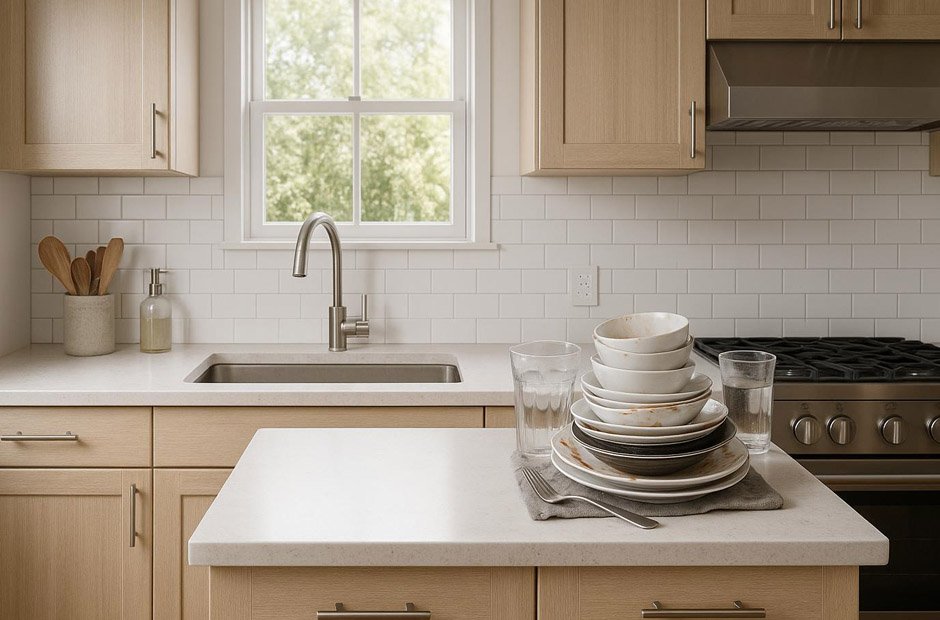
A kitchen can look completely clean at the end of the night and still attract pests before morning. Many homeowners assume that installing new natural stone benchtops automatically reduces the risk of infestations because the surface is smooth, sealed, and easy to clean. Yet it is common to wake up and notice ants near the sink, cockroaches around appliances, or signs of pest activity across the kitchen.
Fresh stone surfaces improve hygiene, but they do not remove the conditions pests rely on to survive. Kitchens remain one of the most attractive areas in any home because they provide food, moisture, warmth, and shelter in one place. Even modern food preparation areas can unintentionally encourage overnight pest activity if small problems go unnoticed.
Why Pests Are Drawn to Kitchens at Night
Most household pests become active after dark because the environment is quieter and safer for feeding. Kitchens offer everything they need once cooking and cleaning are finished. Tiny crumbs, grease residue, sugary spills, and moisture near sinks can attract insects within hours. Pest control experts often identify kitchens as high-risk areas because they provide easy access to food and water. The benchtop itself is usually not the issue. The problem is what remains around it.
Even microscopic food traces left behind during meal preparation can attract ants and cockroaches overnight. Sticky residue from sauces, fruit juice, oils, or coffee is often invisible but still enough to encourage pests to return repeatedly.
Moisture Around Stone Benchtops Attracts Pests
Although stone benchtops are durable and hygienic, kitchens still contain multiple moisture sources that pests depend on. Cockroaches and ants are particularly attracted to damp areas around sinks, dishwashers, and plumbing connections. Moisture beneath sinks or behind appliances creates ideal hiding places during the day.
Even small amounts of standing water can become a reliable hydration source overnight. Condensation from cold drinks or unnoticed leaks often contributes to the problem. Many homeowners focus heavily on wiping surfaces while missing hidden moisture issues beneath cabinetry or behind appliances. Once pests find a consistent water source, they usually continue returning.
Hidden Food Debris Is a Major Problem
A polished stone benchtop may appear spotless, but pests rarely stay only on visible surfaces. Food particles often collect beneath toasters, behind microwaves, under fridges, or along cabinet edges. Grease splatter near cooktops and crumbs trapped between appliances are common attractants that are easily overlooked.
Ants are especially sensitive to food residue. Once a scout ant discovers a food source, it leaves a chemical trail that guides the colony back to the same area. This is why kitchens can appear clean in the evening but show visible pest activity the next morning.
Kitchen Appliances Create Shelter
Modern kitchens contain multiple heat-producing appliances that increase pest activity. Dishwashers, coffee machines, ovens, and refrigerators create warm, dark spaces where pests can hide safely. Cockroaches commonly shelter behind or underneath appliances because these locations provide warmth, moisture, and nearby food sources.
Stone benchtops may improve surface cleanliness, but they do not prevent pests from nesting in hidden cavities around appliances. Food debris and moisture trapped in these areas can support infestations long before homeowners notice visible signs.
Open Food Storage Encourages Pest Activity
Leaving food exposed overnight significantly increases the risk of pests. Fruit bowls, pet food, bread, and pantry items placed on kitchen counters can attract ants, cockroaches, and pantry insects. Dry goods such as flour, rice, and cereals may also become vulnerable if not sealed properly.
A clean kitchen is not only about wiping surfaces. Safe food storage matters just as much. Using airtight containers and removing food scraps before bed reduces the likelihood of overnight feeding activity.
Entry Points Around Kitchens
Pests often enter kitchens through surprisingly small gaps. Openings around plumbing, cracks near skirting boards, gaps beneath cabinetry, and poorly sealed windows all create access points. Ants and cockroaches can move through spaces that are barely noticeable.
Even newly renovated kitchens may contain hidden gaps behind splashbacks or around pipe penetrations. Without sealing these areas properly, pests can continue entering even in otherwise clean environments.
Practical Ways to Reduce Overnight Pest Problems
Preventing pest activity starts with consistency. Benchtops should be cleaned thoroughly after meal preparation, especially around sink edges and corners. Floors should also be vacuumed or swept because crumbs frequently fall beyond visible food preparation areas. Moisture control is equally important. Dry sinks overnight, check for plumbing leaks, and improve ventilation where possible.
Appliances should be cleaned regularly underneath and behind to remove hidden residue. Food should always be stored securely rather than left exposed on counters. Sealing entry points around cabinetry and plumbing can also reduce the likelihood of pests entering the kitchen.
When Professional Help May Be Needed
If pest activity continues despite careful cleaning, the problem may already be established inside hidden areas of the kitchen. Recurring cockroach sightings, ant trails, or persistent activity near appliances often indicate a larger infestation behind walls or beneath cabinetry. In these situations, same day pest control services may be necessary to identify the source and stop the infestation before it spreads further.
Professional inspections can locate nesting areas, hidden moisture problems, and entry points that are difficult to identify during routine cleaning.
Conclusion
Fresh stone benchtops may improve kitchen hygiene and appearance, but they do not automatically prevent pest activity overnight. Modern kitchens still provide warmth, food residue, moisture, and shelter that attract ants, cockroaches, and other pests. Hidden crumbs, leaks, appliance heat, and small entry points often allow infestations to develop unnoticed.
Regular cleaning, moisture control, proper food storage, and sealing access points all help reduce risk. When pest activity becomes persistent, professional assessment is often the most effective way to prevent a larger infestation from developing.
FAQs
- Can pests still be attracted to clean stone benchtops?
Yes. Tiny food particles, moisture, and hidden residue can still attract pests even when surfaces appear clean.
- Why do cockroaches appear in kitchens overnight?
Cockroaches are nocturnal and search for food and water at night when kitchens are quiet.
- Do stone benchtops prevent infestations?
No. They improve cleanliness but do not stop pests from accessing food, moisture, or shelter elsewhere in the kitchen.
- What attracts ants to kitchen counters?
Sugar residue, crumbs, fruit, grease, and food spills commonly attract ants.
- Are appliances linked to pest activity?
Yes. Appliances provide warmth, moisture, and hidden spaces where pests can shelter and breed.
- When should I contact pest control?
Professional help is recommended if pests continue appearing despite regular cleaning and prevention efforts.