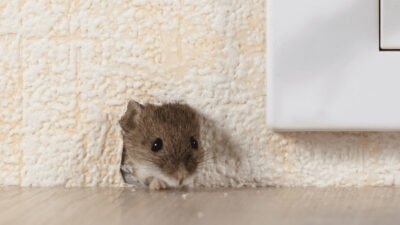
It often starts with subtle signs. You hear scratching inside the walls at night, notice a few droppings in the garage, or catch a brief glimpse of a mouse disappearing behind the kitchen cabinets. Many homeowners assume it is a minor nuisance that can wait a little longer before being addressed. What often goes unnoticed is the damage happening behind the walls.
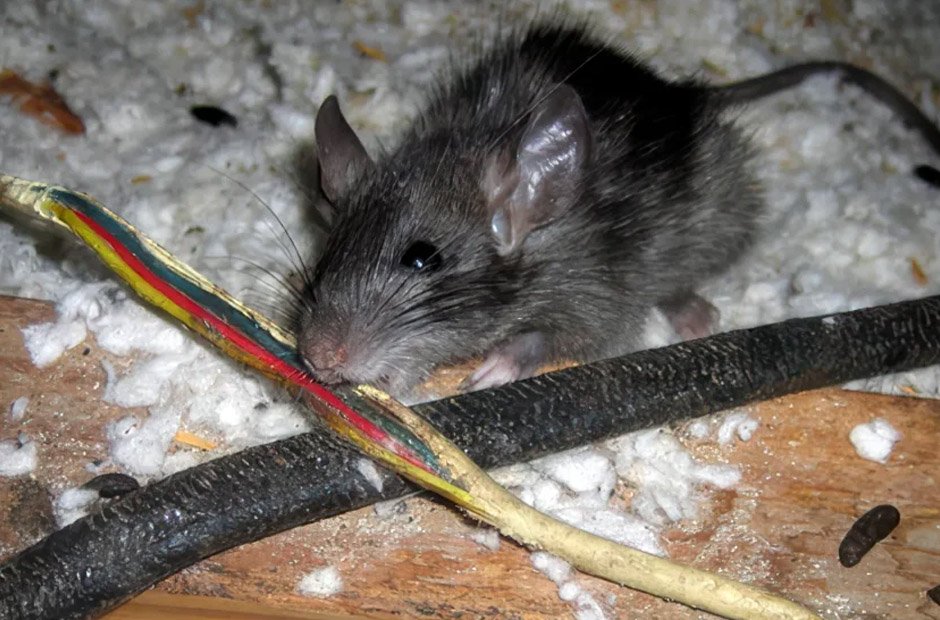
Rodents do not just contaminate food or leave a mess behind. One of their most destructive habits is chewing through electrical wiring. When that damage occurs inside wall cavities, roof spaces, or under floors, it can create a serious safety risk long before the infestation becomes obvious.
Why Rodents Chew Electrical Wires
Rats and mice constantly gnaw because their teeth never stop growing. Chewing on hard materials helps keep their teeth worn down. Electrical wiring becomes an easy target because it is accessible, soft enough to damage, and often located in dark, sheltered spaces where rodents travel.
Rodents commonly move through ceiling cavities, wall spaces, basements, and storage areas where electrical cables are concentrated. Once they begin chewing, they rarely stop at a single wire. Damage often spreads across multiple sections over time. Warmth also plays a role. Electrical systems produce heat, which attracts rodents looking for nesting areas during colder months.
Why Chewed Wiring Is Dangerous
The biggest concern is not the rodent itself. It is what happens after the protective insulation around electrical wires is damaged. When rodents chew through the wire coating, the live conductor underneath can become exposed. This increases the risk of short circuits, overheating, sparking, and electrical arcing inside concealed spaces.
Because the damage is hidden behind walls or ceilings, problems may develop without immediate warning. Sparks from exposed wiring can ignite nearby insulation, timber framing, dust, or nesting material. In some cases, house fires linked to electrical faults have been traced back to rodent activity. Even if a fire never occurs, damaged wiring can still disrupt power flow and create expensive electrical repairs.
Common Warning Signs of Rodent Wiring Damage
Chewed wiring often remains hidden until electrical symptoms begin appearing throughout the property. Lights may flicker unexpectedly or dim without explanation. Circuit breakers may trip repeatedly even when the electrical demand is low. Some homeowners notice a faint burning smell near walls, ceilings, or power points.
You may also experience intermittent appliance failures, buzzing noises inside walls, or unexplained power outages affecting certain rooms. At the same time, physical signs of rodent activity may become more noticeable. Droppings, scratching sounds, shredded insulation, nesting materials, or grease marks along walls often indicate rodents are active inside concealed spaces.
When electrical issues appear alongside rodent activity, the situation should be treated seriously.
Why Small Infestations Escalate Quickly
Many people assume a few mice or rats are manageable. The problem is that rodents reproduce rapidly and remain active mostly at night, allowing infestations to grow quietly. As populations increase, so does the amount of chewing and nesting activity inside the home. Rodents may damage multiple electrical circuits, plumbing lines, insulation, and timber structures before the infestation is fully discovered.
The Importance of Proper Rodent Pest Control
Effective rodent pest control is about more than removing visible rodents. It involves identifying how they entered the property, locating nesting areas, and reducing the conditions attracting them in the first place.
Simply setting traps without addressing entry points often leads to recurring problems. Rodents can squeeze through surprisingly small gaps around pipes, vents, roofing, and wall penetrations. Food sources also contribute heavily to infestations. Unsealed pantry items, pet food, rubbish bins, compost, and cluttered storage areas all create attractive environments for rats and mice.
Professional pest management can help identify hidden access points and reduce the likelihood of ongoing activity inside walls and ceiling spaces. However, eliminating the rodents alone is not enough if wiring damage has already occurred.
Why Electrical Inspections Matter
Once rodent activity has been discovered, an electrical inspection becomes extremely important. Many homeowners make the mistake of assuming that if the lights still work, the wiring must be fine. Unfortunately, damaged insulation may continue deteriorating over time, especially if moisture, heat, or vibration affects exposed sections.
A licensed electrician can inspect vulnerable areas, assess the extent of damage, and replace compromised wiring before more serious faults develop. This is particularly important in older homes where wiring systems may already be under strain.
Preventing Future Problems
Preventing future infestations requires reducing both access and attraction. Sealing entry points around the exterior of the home is essential. Gaps near roofing, vents, plumbing lines, and foundations should be properly closed. Storage areas should remain clean and organised, with food stored in sealed containers.
Roof spaces and garages should also be checked regularly for signs of droppings, nesting materials, or chewed insulation. Routine inspections matter because rodents are often discovered only after damage has already occurred. Addressing the issue early is far less expensive and far safer than dealing with extensive electrical repairs or fire damage later.
Conclusion
A small rodent problem can quickly become much more serious when electrical wiring is involved. Chewed wires hidden behind walls create risks that many homeowners never see until warning signs appear through flickering lights, burning smells, or electrical failures. By that stage, the damage may already be widespread.
Understanding the dangers associated with rodent activity helps homeowners act before a nuisance becomes a safety hazard. Proper rodent pest control, combined with electrical inspections where needed, plays a critical role in protecting both the property and the people living inside it.
FAQs
- Why do rodents chew electrical wires?
Rodents chew constantly to wear down their growing teeth. Electrical wiring is easy for them to access and damage.
- Can chewed wires really cause house fires?
Yes. Exposed wiring can create sparks, overheating, and short circuits that may ignite nearby materials.
- What are the signs that rodents may be damaging wiring?
Flickering lights, tripping breakers, burning smells, scratching noises, and visible rodent droppings are common warning signs.
- Should I call an electrician if rodents were in my walls?
Yes. Hidden wiring damage is common during rodent infestations and should be professionally inspected.
- Can small mouse infestations still cause serious damage?
Absolutely. Even a few rodents can chew through multiple wires over time and create hidden hazards.
- How can I prevent rodents from entering wall spaces?
Seal external gaps, store food properly, reduce clutter, and inspect roof and wall cavities regularly for signs of activity.