Key Takeaways
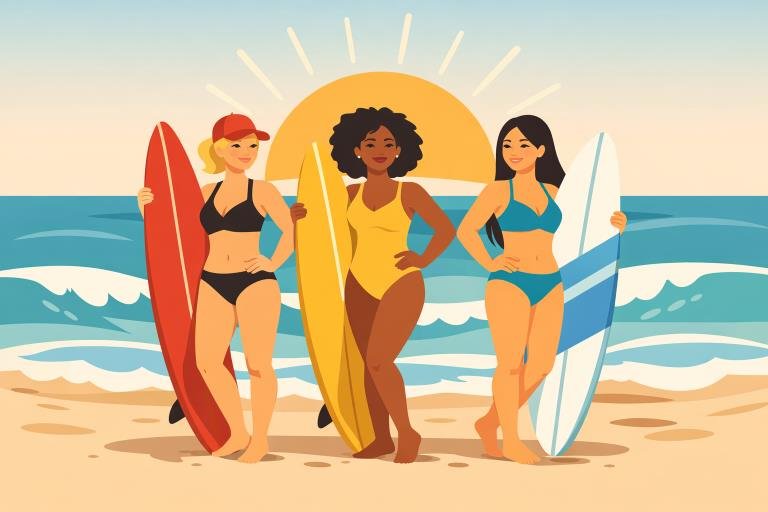
- Surfing serves as a powerful tool for women’s empowerment across the globe.
- Organizations and initiatives are breaking cultural barriers and promoting gender equality through surfing.
- Participation in surfing fosters confidence, community, and personal growth among women.
Introduction
Surfing is much more than a sport. For many women around the world, it is a pathway to empowerment and self-discovery. Once viewed primarily as a male pursuit, surfing now stands as a beacon for breaking social barriers and embracing new roles in both personal growth and wider society. As women paddle out, they find themselves not just riding waves but also tackling stereotypes and cultural expectations head-on. Today, an increasing number are turning to women’s surf retreats and supportive initiatives to build skills, confidence, and community spirit.
Women in surfing are not only rewriting the narrative around sports participation but also serving as inspirational figures within their own communities. Through diverse programs, events, and retreats, the transformational impact of surfing on women’s lives can be seen across continents, from Africa and Asia to the Americas. With every wave conquered, barriers are dismantled, and new horizons are continually opened, reflecting a broader global movement of women’s empowerment.
Historical Context of Women in Surfing
Tracing the origins of women in surfing reveals a deep-rooted connection that predates modern sporting culture. In ancient Hawaii, women weren’t just allowed but celebrated for their participation in surfing. Legends such as Princess Keleanohoanaʻapiʻapi highlighted this tradition, setting an early precedent for equality in the surf. However, colonial influences and the rise of commercial surf culture in the twentieth century pushed female surfers to the sidelines for many years. A revival began in the mid-1900s with the emergence of pioneering women known as the California Golden Girls, alongside influential figures like Margo Oberg and Rell Sunn. They propelled the women’s movement forward in both amateur and professional surfing, helping to establish the foundation for today’s increasingly visible and diverse female surf community.
Breaking Cultural Barriers Through Surfing
Cultural expectations and gender norms have consistently posed obstacles for women wanting to participate in surfing, especially in more traditional societies. However, organizations across the globe are working to shift these paradigms. In Sri Lanka, SeaSisters is leading the charge by creating safe, inclusive spaces where women can learn to surf, many for the first time. These programs aren’t just about athletic skills. They empower women with a sense of agency, expanded social networks, and the freedom to redefine what is possible for themselves and their peers. The impact of these initiatives extends beyond the shoreline. As participants gain exposure and skill, they often become mentors for the next wave of female surfers, multiplying the effect within their communities. Such grassroots projects have sparked broader conversations about gender equality and driven changes in local and national policies in places like Indonesia, Morocco, and Ghana.
Surfing as a Form of Therapy and Empowerment
Surfing is increasingly recognized as a transformative form of therapy, particularly for women who have faced adversity and trauma. The unique combination of physical challenge, natural environment, and learning new skills has proven to boost mental health, confidence, and overall well-being. Organizations like SOMA Surf in São Tomé and Príncipe are using surf therapy programs to connect young women with mentors, structured mental health sessions, and even career opportunities, creating holistic support networks that empower and heal.
Participants in these programs often report marked improvements in their self-esteem and stress levels, as well as a renewed sense of connection to others. The rhythmic immersion in ocean environments, paired with the camaraderie of the surf community, creates a powerful healing context, echoing results from peer-reviewed studies of surf therapy worldwide. More about the science behind surf therapy can be found in resources from the Psychology Today editorial team.
Building Community and Sisterhood
Women’s surf retreats and clubs have created authentic pathways for community, solidarity, and friendship. All-female retreats, in particular, are transforming how women experience adventure travel and personal growth. These retreats help to dissolve traditional notions of competition, replacing them with supportive, uplifting group dynamics that encourage vulnerability, strength, and a shared passion for surfing. Many surfers find these retreats so rewarding for self-development and camaraderie that they return year after year. Locally-run women’s surf collectives are also thriving in places like Costa Rica and Portugal, where the emphasis is on inclusivity and collective advancement. Together, participants celebrate milestones in and out of the water, cultivating a sense of belonging that extends far beyond the world of surfing itself.
Economic Opportunities Arising from Women’s Surfing
The rise of women in surfing has brought significant economic opportunity. Women’s surf schools, retreats, and community-led events have enabled many to capitalize on tourism and social entrepreneurship. The creation of female-led surf businesses generates employment, fosters new products and services, and often contributes vital revenue streams to local economies. Areas that support active surf tourism experience positive ripple effects across retail, hospitality, and even international media. Moreover, as companies increasingly recognize the value of diversity and inclusion, sponsorship and media opportunities for women surfers have become more prevalent, shifting economic power dynamics within the industry and providing valuable career pathways previously unavailable to women.
Challenges and the Future of Women in Surfing
Despite notable progress, women in surfing still face challenges such as unequal representation, limited resources, and a need for broader community support. This is especially true for professional athletes, where pay and sponsorship imbalances persist. Advocacy groups like Surf Equity continue to press for gender parity and equal recognition at all levels of surfing, from grassroots initiatives to elite competitions. Future growth will depend on continued advocacy, targeted funding, and inclusive leadership. Industry leaders need to maintain a focus on equal opportunities in media, sport, and business. As women’s voices in surfing grow stronger, there is optimism that the next generation will encounter fewer barriers and greater opportunities on and off the water.
Conclusion
Surfing is playing a pivotal role in empowering women worldwide. The sport’s ability to break down cultural barriers, provide therapeutic benefits, create new economic opportunities, and foster lasting sisterhood proves that the impact of women’s engagement goes far beyond the shoreline. With ongoing support, collaboration, and the strength of empowered female communities, surfing will continue to open new doors for women today and for future generations.