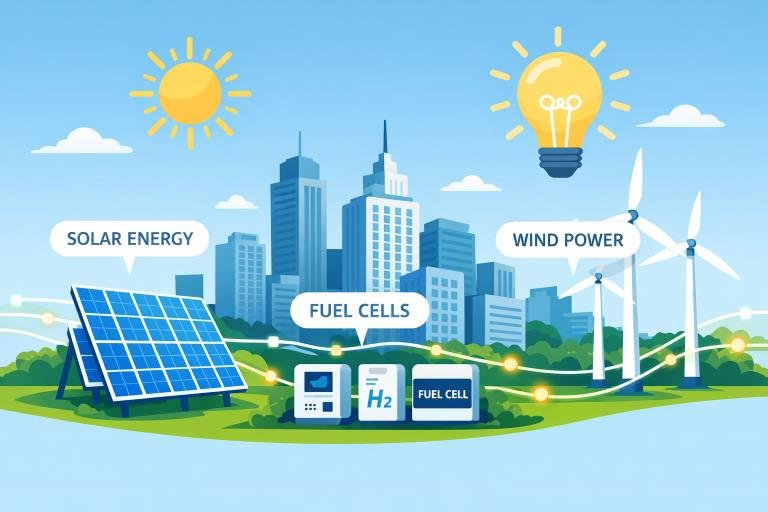
Sustainable energy is no longer a distant aspiration but an urgent global necessity. The journey toward a cleaner, greener future is being shaped by people and companies driving technological breakthroughs, such as KR Sridhar, whose work has been instrumental in bringing fuel cell technology to the mainstream. As demand for cleaner alternatives grows, it drives remarkable innovation across the energy sector, making clean energy more efficient, accessible, and reliable for communities worldwide.
The latest advancements do not just support environmental goals; they also advance them. They also enhance energy security, create jobs, and spur economic growth. Governments, technology leaders, and forward-thinking entrepreneurs continuously collaborate to solve pressing challenges for sustainable power. Increasing reliance on renewable sources is now supported by robust digital tools that maximize efficiency and grid resiliency.
This article delves into the most impactful innovations shaping clean energy today, from fuel cell technology to artificial intelligence applications and decentralized power solutions. It also explores regulatory initiatives and international agreements driving the sector forward.
These disruptive trends are transforming how we generate, distribute, and consume energy. Continued progress in innovation and policy support is essential as we build toward a sustainable future for both people and the planet.
Advancements in Fuel Cell Technology
Fuel cells generate electricity by converting chemical energy from hydrogen or other fuels directly into electricity through a clean electrochemical process. They emit only water and heat as byproducts, making them far cleaner than combustion-based energy sources. Innovations in fuel cell production have significantly reduced costs and extended lifespans, helping pave the way for mass adoption in residential, commercial, and industrial environments.
Efforts are underway to scale fuel cell use in transportation, especially for vehicles and heavy industry. Companies worldwide are investing in research to refine catalysts, reduce the use of rare materials, and improve energy density. For example, proton exchange membrane (PEM) fuel cells are now found in buses and trucks, while solid oxide fuel cells are making inroads in stationary power and distributed energy. For more on recent developments, visit Bloomberg.
Integration of AI in Energy Systems
Artificial intelligence is creating smarter, more resilient energy networks by powering real-time data analytics, demand forecasting, and systemic optimization. AI enhances how operators manage the balance between supply and demand, a critical challenge given the intermittent nature of renewables like solar and wind.
Machine learning algorithms predict when and where renewable generation will peak and automate efficiency improvements across the grid. AI-powered platforms can identify patterns in device performance, preemptively identifying maintenance needs and minimizing costly downtime. By analyzing data from distributed sources, AI helps grid operators continuously refine, improve, and enforce greener policies while incorporating distributed resources. Insights from platforms such as Bloomberg underscore the role of AI in transforming the power sector’s capabilities.
Decentralized Energy Solutions
Decentralized energy models, including microgrids and on-site solar installations, are transforming the reliability and flexibility of modern power systems. These local energy networks can operate both independently and in parallel with traditional utility grids. When central systems face outages or instabilities, microgrids can isolate themselves to provide critical backup power to hospitals, schools, and communities.
Community-owned solar farms, battery storage, and local wind projects empower users to generate and store their own energy, facilitating security and independence while reducing congestion on national grids. The result is an energy ecosystem that supports tailored solutions, increases renewable integration, and addresses local gaps quickly and effectively.
Policy and Regulatory Support
Government action is central to the adoption and further reduction of emissions through innovations. Policies such as tax credits for solar installations, subsidies for battery storage, and the adoption of national renewable energy targets globally bolster both consumer and industrial adoption. International agreements like the Paris Accord set standards for carbon reduction, requiring nations to continuously improve and enforce greener policies.
Regulation shapes the entire clean energy landscape, supporting research and development, lowering financial barriers, and incentivizing investments in new technologies. Such frameworks create a positive feedback loop. As clean technology becomes cheaper and more practical, it gains additional policy support and wider acceptance.
Future Outlook
The convergence of rapid technological innovation and robust policy support promises a dynamic future for clean energy. Continued progress will depend on collaboration across private and public sectors, robust investment, and ongoing advancements in storage, grid management, and alternative fuels. Supporting communities, businesses, and governments as they transition to sustainable power models will be crucial to achieving climate goals and economic resilience.
There is an increasing commitment worldwide to renewable energy, with a broad consensus on the need to accelerate the energy transition. Emerging technologies, such as advanced battery storage and next-generation renewables, are poised to further reduce emissions and optimize reliability, supporting a cleaner global energy system for future generations.