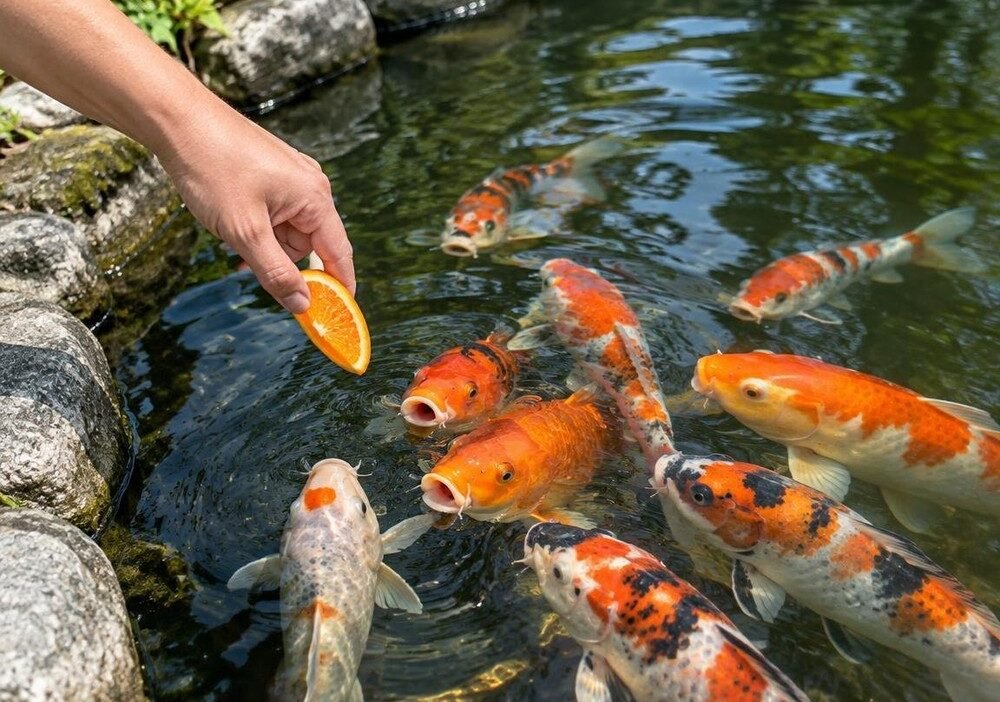
Nutritional and Health Benefits of Oranges for Pond Fish
The allure of feeding fresh fruit to our koi goes beyond mere entertainment; it offers tangible health benefits that can significantly contribute to their overall well-being. Oranges, in particular, are a powerhouse of essential nutrients that can enhance your koi’s vitality and even their visual appeal.
The primary benefit of oranges for koi is their rich Vitamin C content. This vital nutrient plays a crucial role in supporting a strong immune system, helping your fish ward off diseases, especially during periods of stress or seasonal changes. Vitamin C is also essential for tissue repair and growth, ensuring your koi maintain healthy skin, fins, and internal organs. Beyond this, oranges are packed with antioxidants, which combat free radicals and reduce oxidative stress, contributing to a longer, healthier life for your aquatic companions. Some enthusiasts even suggest that the nutrients in citrus fruits can help intensify the vibrant coloration of koi, making their reds and oranges pop even more. The act of foraging for a floating orange can also be a form of enrichment, reducing stress and promoting natural behaviors.

While oranges offer numerous benefits, it’s helpful to understand their place alongside other common fruit treats.
| Treat Type | Key Nutritional Benefit | Preparation Notes |
|---|---|---|
| Oranges | Vitamin C, antioxidants | Halved, scored, or quartered; remove peels after |
| Watermelon | Hydration, some vitamins | Seedless, cut into pieces; rind can help float |
| Grapes | Antioxidants, natural sugars | Halved for smaller fish |
| Grapefruit | Vitamin C, antioxidants | Quartered; feed sparingly to avoid lip discoloration |
Water Temperature and Digestion Requirements
When considering supplemental foods like oranges, water temperature is a critical factor. Koi are cold-blooded, meaning their metabolism is directly linked to their environment’s temperature. In cooler waters, their digestive systems slow down considerably, making it difficult to process certain foods. This is why it’s generally recommended to introduce supplemental treats only when the water temperature consistently reaches at least 18 degrees Celsius (or 65 degrees Fahrenheit).
Feeding rich or complex foods in cold water can lead to digestive issues, as their bodies lack the necessary enzymes for efficient breakdown. During warmer months, typically from late spring through early autumn (October 2026 for our current year), koi are more active and their metabolism is at its peak, allowing them to properly digest and absorb the nutrients from fruits like oranges. Always observe your fish’s behavior and water conditions when introducing new foods, especially if temperatures fluctuate.
Step-by-Step Guide to Preparing and Serving Oranges
Introducing oranges to your koi pond is a fun and rewarding experience, but proper preparation is key to ensuring both the safety and enjoyment of your fish.
First, always wash the orange thoroughly under running water to remove any potential pesticides or residues from the skin. While koi won’t consume the peel, it’s best practice to ensure anything entering their environment is clean.
Next, decide on your preferred method of cutting. A popular approach is to halve the orange. For easier access for your koi, especially smaller ones, you can then score the segments with a knife, essentially loosening the flesh from the pith. This allows the fish to nibble off pieces more readily. Another effective method is to cut larger seedless oranges into quarters. Some enthusiasts even cut orange halves into quarters without fully separating them, creating a ‘flowerette’ shape that floats well and provides many accessible edges.

To offer the orange, simply float the prepared pieces, flesh-side down if possible, on the pond surface. Some creative keepers use string or bungee cord hooked through the skin to suspend the orange, ensuring it stays in place for extended feeding. This also helps keep the flesh submerged and accessible. Watching your koi gather around the floating fruit, eagerly nibbling away, is truly a delightful spectacle. They often exhibit a communal feeding behavior, taking turns to get a piece.
Safe Preparation Techniques for Different Koi Sizes
The size of your koi dictates how you might best prepare oranges. For larger koi, halved or quartered oranges with scored segments are usually sufficient. Big fish, particularly those accustomed to hand-feeding, might even take mandarin orange segments directly from your hand, creating a memorable interaction.
For smaller koi, or those that might be hesitant, consider cutting the segments into even smaller, bite-sized pieces. Seedless varieties are always preferable to avoid any potential choking hazards. Some suggest peeling the orange entirely and then slicing the flesh into small, manageable pieces. This eliminates any concern about rinds and makes the fruit immediately accessible. The goal is to present the orange in a way that is easy for your fish to consume without excessive effort or risk.
Preventing Pond Filter and Drain Clogs
One crucial aspect of feeding any supplemental treat is diligent pond maintenance. While koi typically leave the orange rind behind, these rinds can pose a problem if left in the pond indefinitely. Initially, rinds tend to float, but over time, they can become waterlogged and sink. Once on the bottom, they can begin to decompose, potentially impacting water quality, or worse, get sucked into bottom drains or clog skimmer baskets and filters.
To prevent this, remove any uneaten fruit or rinds from the pond within a few hours, or at most, within 24 hours. This proactive approach ensures that your pond’s filtration system remains clear and efficient, and that decomposing organic matter doesn’t contribute to ammonia spikes or other water quality issues. Regular skimming of the pond surface after feeding treats is a good practice to adopt.
Next Day Koi Feeding Strategies with Supplemental Treats
A balanced diet is the cornerstone of healthy koi. While supplemental treats like oranges offer valuable nutrients and enrichment, they should never replace a high-quality staple pellet food. The foundation of your koi’s diet should always be a nutritionally complete pellet, formulated to provide the correct protein ratio (typically 35-40%), lipid requirements (5-10%, increasing to 15% in cooler months), and a low carbohydrate content (less than 10%) essential for preventing liver issues.
Supplemental treats are just that – supplements. They add variety, extra vitamins, and mental stimulation, but they don’t provide the comprehensive nutritional profile that a good commercial koi food does. Think of them as the “dessert” or “snack” in your koi’s diet, rather than the main course. Moderation is key to ensuring your fish receive the benefits without disrupting their primary nutritional intake. For a wide selection of quality foods and detailed feeding guides, we recommend exploring resources from reputable suppliers like Next Day Koi feeding, which can help you establish a robust feeding regimen.
Incorporating Supplemental Citrus into Next Day Koi Feeding
When integrating oranges into your koi’s diet, a thoughtful approach is best. Instead of daily offerings, consider a weekly schedule, especially during the warmer months when their metabolism is high. Offering oranges once or twice a week as a treat is generally sufficient to provide the benefits without overfeeding or creating water quality issues.
Portion control is also important. For an average-sized pond with several koi, one or two halved oranges are usually plenty. Observe how quickly your fish consume the fruit; if large portions remain after a few hours, reduce the amount next time. The goal is to supplement their diet, not to fill them up entirely on fruit. By offering oranges alongside or shortly after their regular staple pellets, you ensure they still get their primary nutrition while enjoying the added benefits of the citrus.
Monitoring Water Quality During Next Day Koi Feeding
Any time you introduce new foods or increase feeding, it’s crucial to pay close attention to your pond’s water quality. Uneaten food, especially organic matter like fruit, can quickly break down and release ammonia, leading to dangerous spikes that are toxic to fish.
Regular water testing for ammonia, nitrites, and nitrates is highly recommended, particularly in the days following a new treat introduction. Maintaining a stable pH balance is also important. If you notice any cloudiness or a sudden increase in algae growth, it could be a sign of overfeeding or insufficient removal of uneaten food. Using a skimmer to remove floating residue after feeding treats is an excellent preventative measure. By being vigilant about water quality, you ensure that the joy of feeding oranges doesn’t come at the expense of your koi’s health or the pond’s ecosystem.
Safe Fruit and Vegetable Alternatives to Oranges
While oranges are a fantastic treat, koi enjoy a diverse diet, and many other fruits and vegetables can provide similar benefits and enrichment. Expanding their palate keeps them engaged and ensures they receive a broader spectrum of nutrients.
Some of the most popular and beneficial alternatives include:
- Watermelon: A favorite for many koi, especially on hot summer days. It’s hydrating and provides some vitamins. Always remove seeds and cut into manageable pieces, leaving the rind on can help it float.
- Romaine Lettuce: Dark, leafy greens like romaine are excellent. They are high in fiber and various vitamins. Cut into six-inch thin strips and float them. Watching koi work together to tear apart lettuce is quite entertaining.
- Garlic: While not a fruit or vegetable in the traditional treat sense, garlic is often recommended for its potential immune-boosting properties and may help prevent health problems. It can be added to their food or offered in small amounts.
- Thawed Saltwater Sardines: For an occasional protein boost, thawed saltwater sardines (never wild-caught freshwater fish due to disease risk) can be a good option. Feed in moderation due to their richness.
- Mealworms: High in protein, mealworms (live, dried, or frozen) are a natural food source for koi, tapping into their omnivorous instincts. They are particularly good during warmer months when protein needs are higher.

Here’s a quick comparison of safe treats versus foods to strictly avoid:
| Safe Supplemental Treats | Foods to Strictly Avoid (or limit severely) |
|---|---|
| Oranges (peeled/scored) | High-carbohydrate foods (corn, peas, bread) |
| Watermelon (seedless) | Wild-caught fish (disease risk) |
| Grapes (halved) | Cat food / Dog food (improper fats/nutrients) |
| Romaine Lettuce | Large quantities of starchy foods |
| Garlic (small amounts) | Dairy products |
| Thawed Saltwater Sardines | Raw, hard vegetables (difficult to digest) |
| Mealworms / Crickets | Maggots (bacterial contamination risk) |
Foods to Strictly Avoid in Pond Diets
Just as there are beneficial treats, there are also foods that should be strictly avoided or given only in extremely limited quantities. High-carbohydrate foods are a major concern. Items like dried corn, raw peas, and white bread are difficult for koi to digest due to their limited ability to process complex carbohydrates. Overfeeding these can lead to digestive blockages, liver issues, and poor overall health. Koi require a diet with less than 10% carbohydrates to prevent liver degeneration.
Similarly, wild-caught fish should never be fed to your koi, as they can carry parasites and diseases that could decimate your entire pond. Cat food and dog food, while seemingly protein-rich, are formulated for mammals and contain animal fats and dairy that koi cannot properly digest. These foods lack the specific nutritional balance (protein, lipids, vitamins, minerals) required for koi and can lead to serious health problems over time. Always err on the side of caution and stick to known safe and beneficial options.
Encouraging Hesitant Fish to Try New Foods
It’s not uncommon for koi to be hesitant when introduced to new foods, including oranges. Their initial reaction might be to ignore it, or even to flee. This is a natural part of their curiosity and caution. Patience is key.
One effective strategy is to introduce the new treat when your fish are already hungry, perhaps before their regular pellet feeding. You can also try anchoring a few pellets to the new treat, like pushing them into a watermelon slice. This can entice them to approach and, in doing so, they might accidentally taste the new food. Koi are also highly social, and often, once one fish starts nibbling, the “herd behavior” kicks in, and others will follow suit. Continue offering the treat consistently, but not excessively, over several days or weeks. Eventually, their curiosity will likely overcome their hesitation, and they’ll discover the new delight. Some fish may also prefer different textures or flavors, so if oranges aren’t a hit, try watermelon or grapes.
Frequently Asked Questions About Feeding Koi Oranges
We often hear common questions from pond owners eager to provide the best for their koi. Here are some answers to frequently asked questions about feeding oranges.
Can koi eat orange peels or seeds?
While koi enjoy the fleshy part of the orange, it’s generally best to remove any seeds before offering the fruit. Seeds can pose a choking hazard, especially for smaller fish. As for orange peels, koi typically leave them untouched. However, peels can contain essential oils that, in large quantities, might not be ideal for the water quality. More importantly, as discussed earlier, peels can become waterlogged, sink, and clog pond filters or drains. Therefore, it’s always recommended to remove any uneaten peels from the pond within a few hours to maintain optimal water quality and prevent equipment issues. Opting for seedless orange varieties can simplify preparation.
How often should koi receive citrus treats?
Oranges and other fruits should be considered occasional treats, not a staple of your koi’s diet. A good rule of thumb is to offer citrus treats once or twice a week during the warmer months when your fish are most active and their metabolism is high. This frequency provides the nutritional benefits and enrichment without risking overfeeding or disrupting their primary diet of high-quality pellets. Overfeeding any treat, even healthy ones, can lead to digestive problems and negatively impact water quality due to increased waste. Always observe your fish’s response and adjust the frequency based on their consumption and pond conditions.
At what size can young koi safely eat fruit?
Even smaller koi can enjoy fruit treats, but preparation becomes more critical. For juvenile koi or those around six inches in length, large orange halves might be too much to handle. Instead, focus on cutting the orange flesh into very small, bite-sized pieces, or ensure the segments are thoroughly scored to make them easily accessible. Mandarin orange segments, being naturally smaller, can also be a good option for younger fish. Always monitor small fish when introducing new treats to ensure they can safely consume the pieces without struggling. As with all new foods, introduce them gradually and observe their behavior.
Conclusion
Incorporating fresh oranges into your koi’s diet offers a wonderful way to provide supplemental variety, boost their health with essential vitamins like C, and create engaging bonding experiences. From enhancing their immune system and promoting vibrant coloration to simply providing a fun, natural foraging opportunity, the benefits are clear.
Remember the key principles: proper preparation by washing and scoring, timely removal of uneaten rinds to protect your pond’s filtration, and moderation in feeding frequency. Always ensure your koi’s primary nutrition comes from high-quality pellets, with treats serving as a beneficial addition during warmer water temperatures. By following these guidelines, you’ll not only enrich your koi’s diet but also deepen your connection with these magnificent aquatic companions, ensuring a healthy and happy pond for years to come.